 KissMada, your online Madagascar souvenir shop



Something has shifted in how people shop for cultural identity online, and it's not subtle. Cultural merchandise...
Latest posts
-
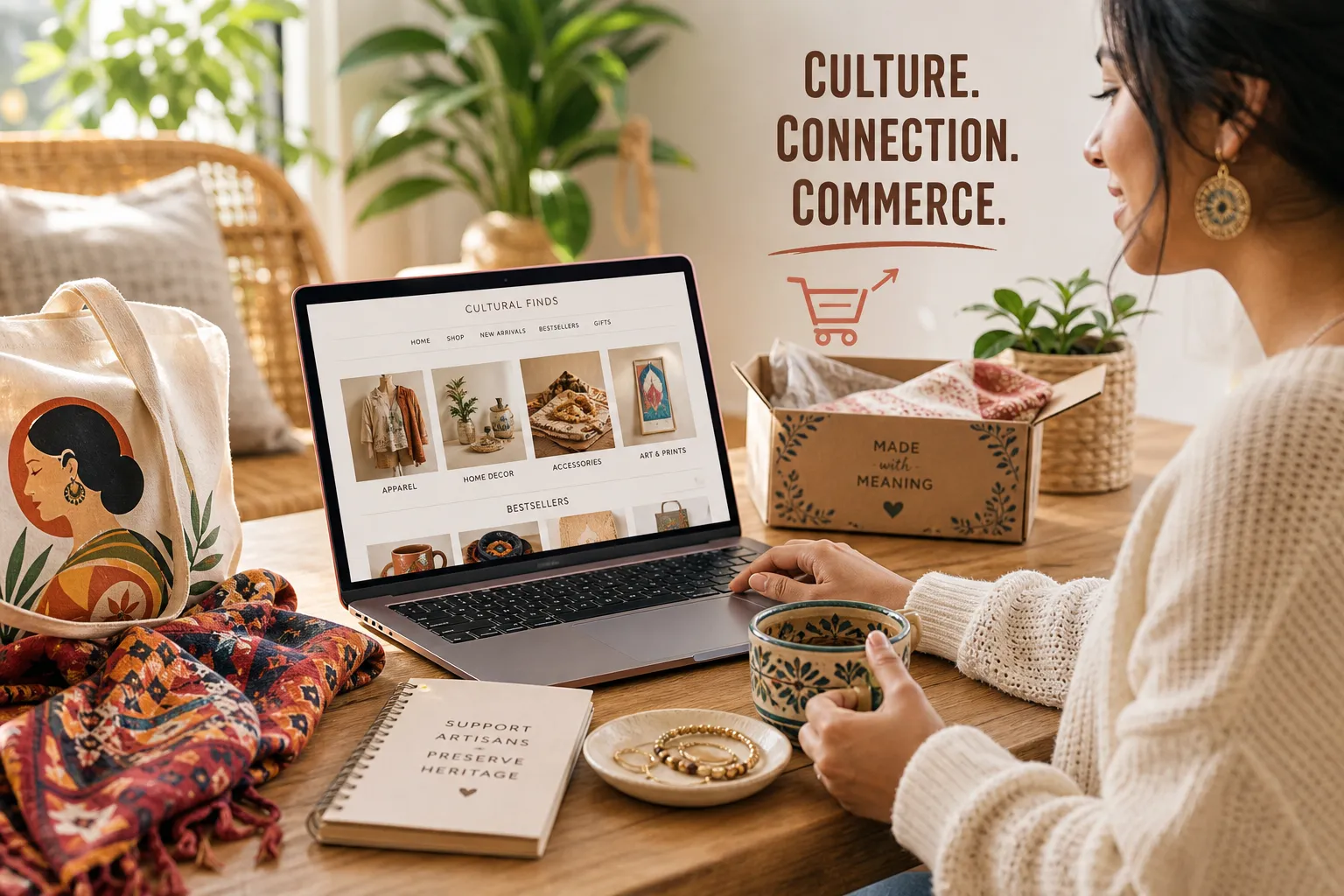 Why Cultural Merchandise Online Is Booming in 2026Read more
 -
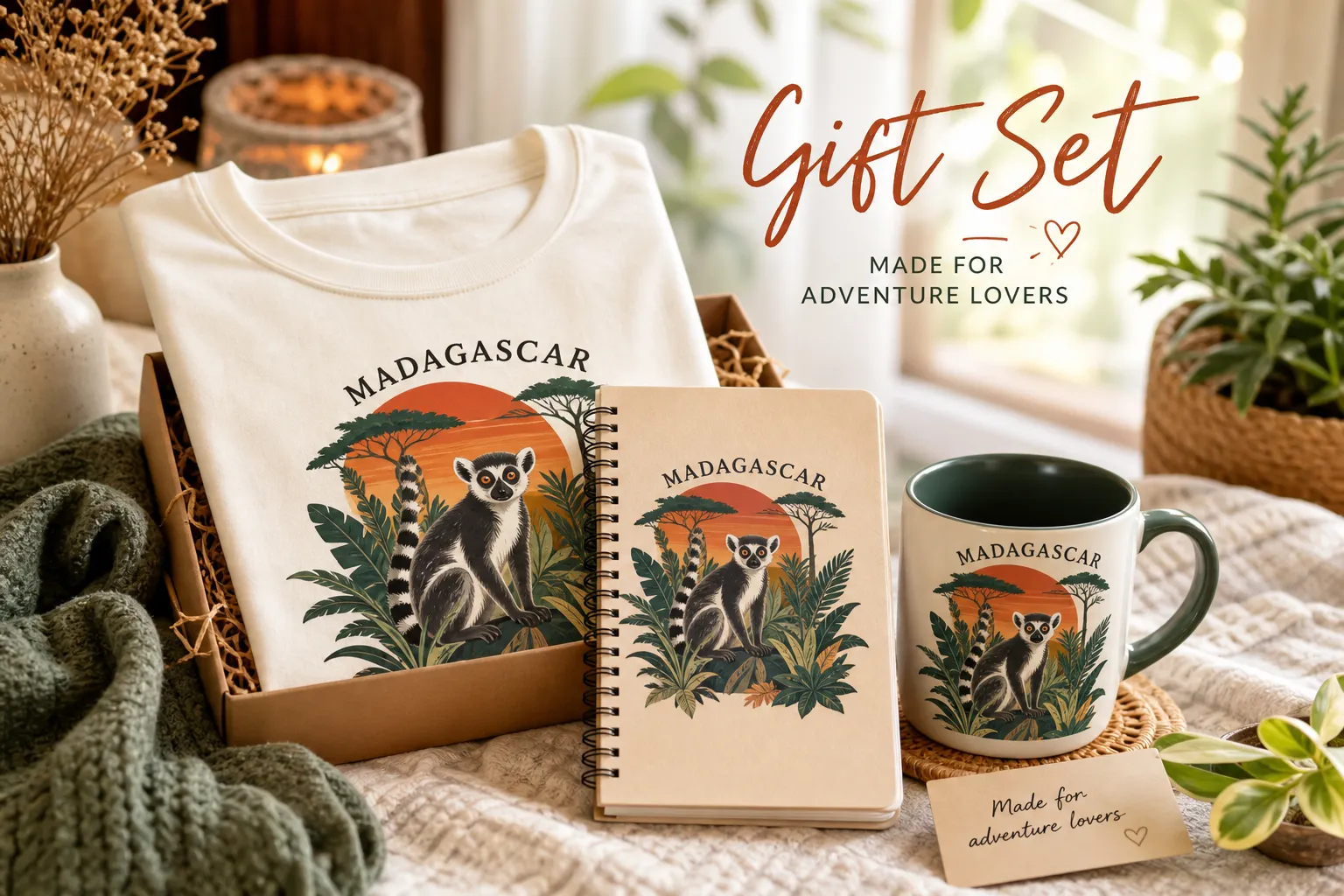 Madagascar Mug, Notebook & Shirt: The Perfect Gift SetRead more
Most Madagascar gifts end up in a drawer. The fridge magnet loses its novelty by week two. The framed photo blends...
-
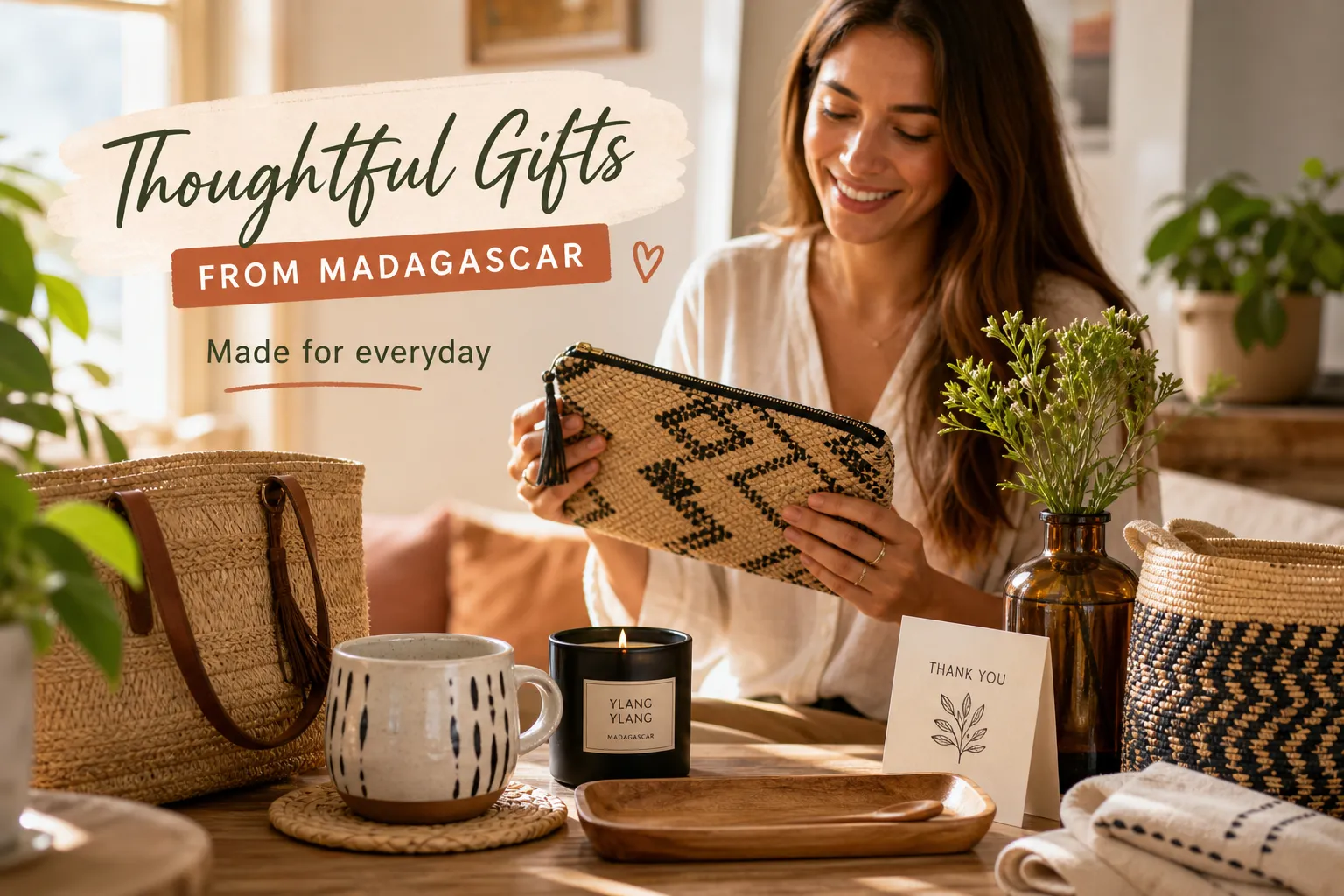 Best Everyday Madagascar Gifts People Will Actually UseRead more
The carved zebu looks great on the shelf for about a week. Then it gets pushed to the back, buried behind a candle...
-
 How to Find the Best Homeland Gifts Online StoreRead more
If you're hunting for a homeland gifts online store that actually feels authentic, this guide will help you find one...
-
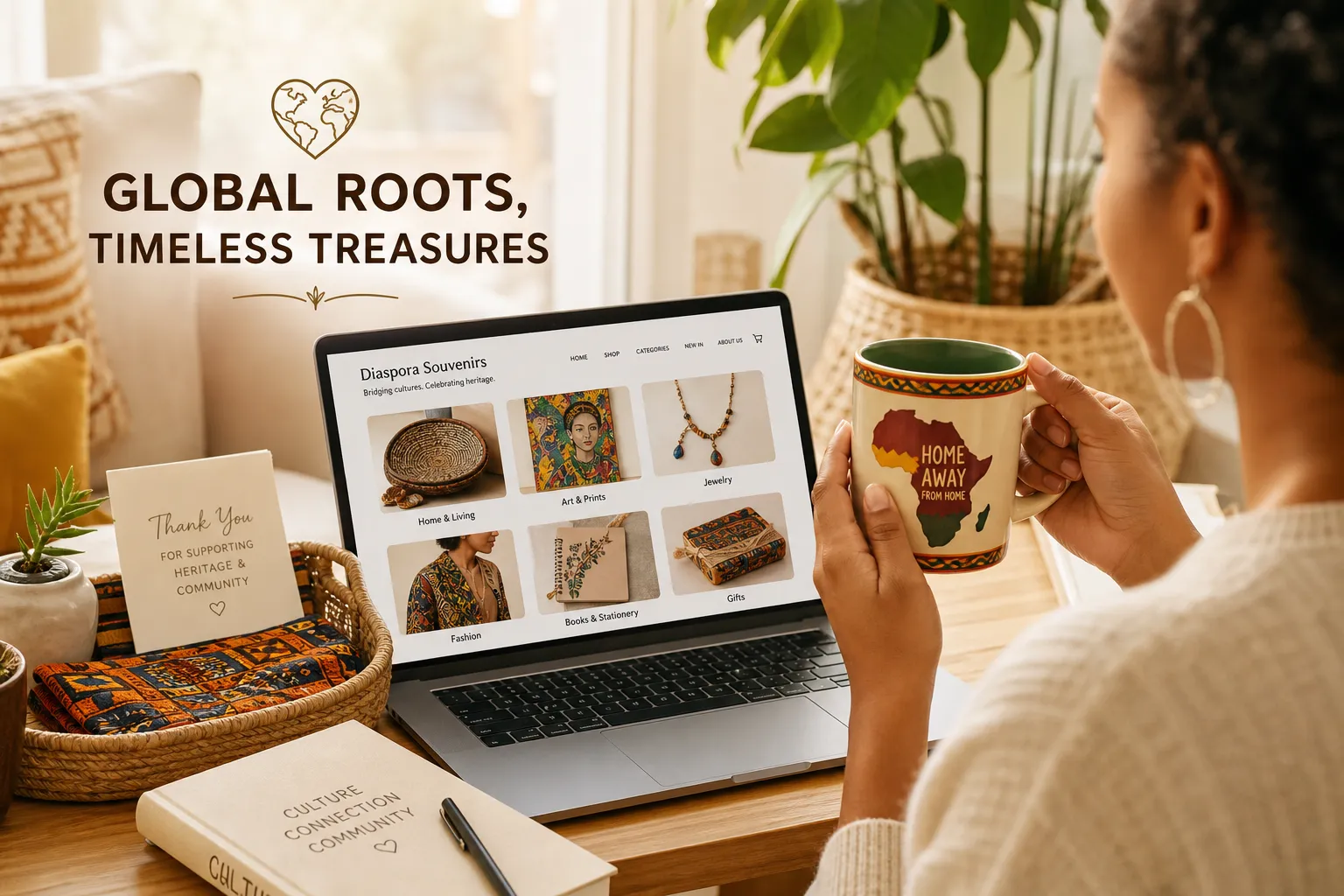 Best Diaspora Online Souvenir Shops to Know in 2026Read more
Most people searching for authentic homeland souvenirs online hit the same wall fast: generic platforms stuffed with...
-
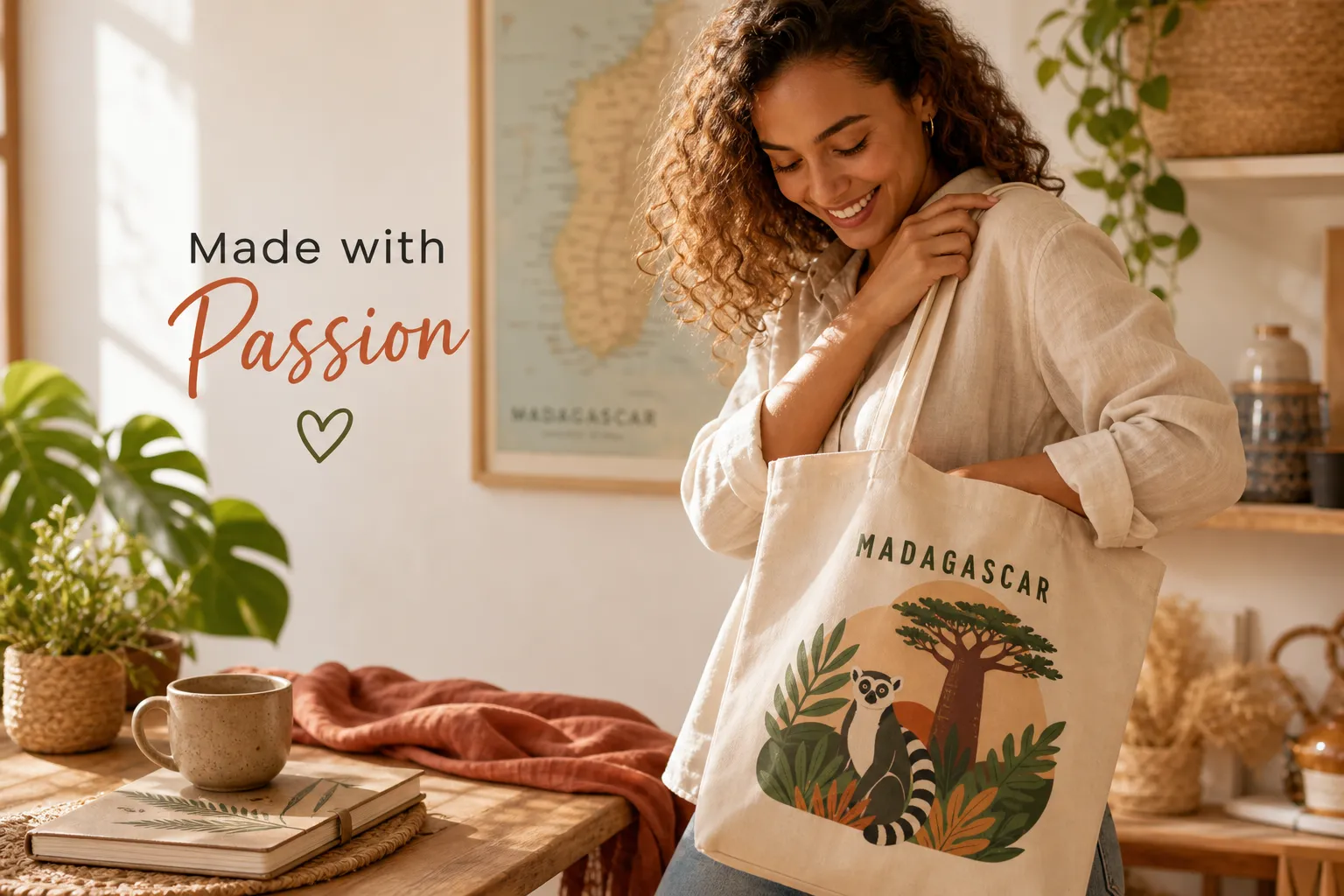 Madagascar Lifestyle Products: Wear Your Passion DailyRead more
A mug on your desk. A hoodie you reach for on a cold Tuesday morning. A tote bag that goes everywhere. These aren't...
-
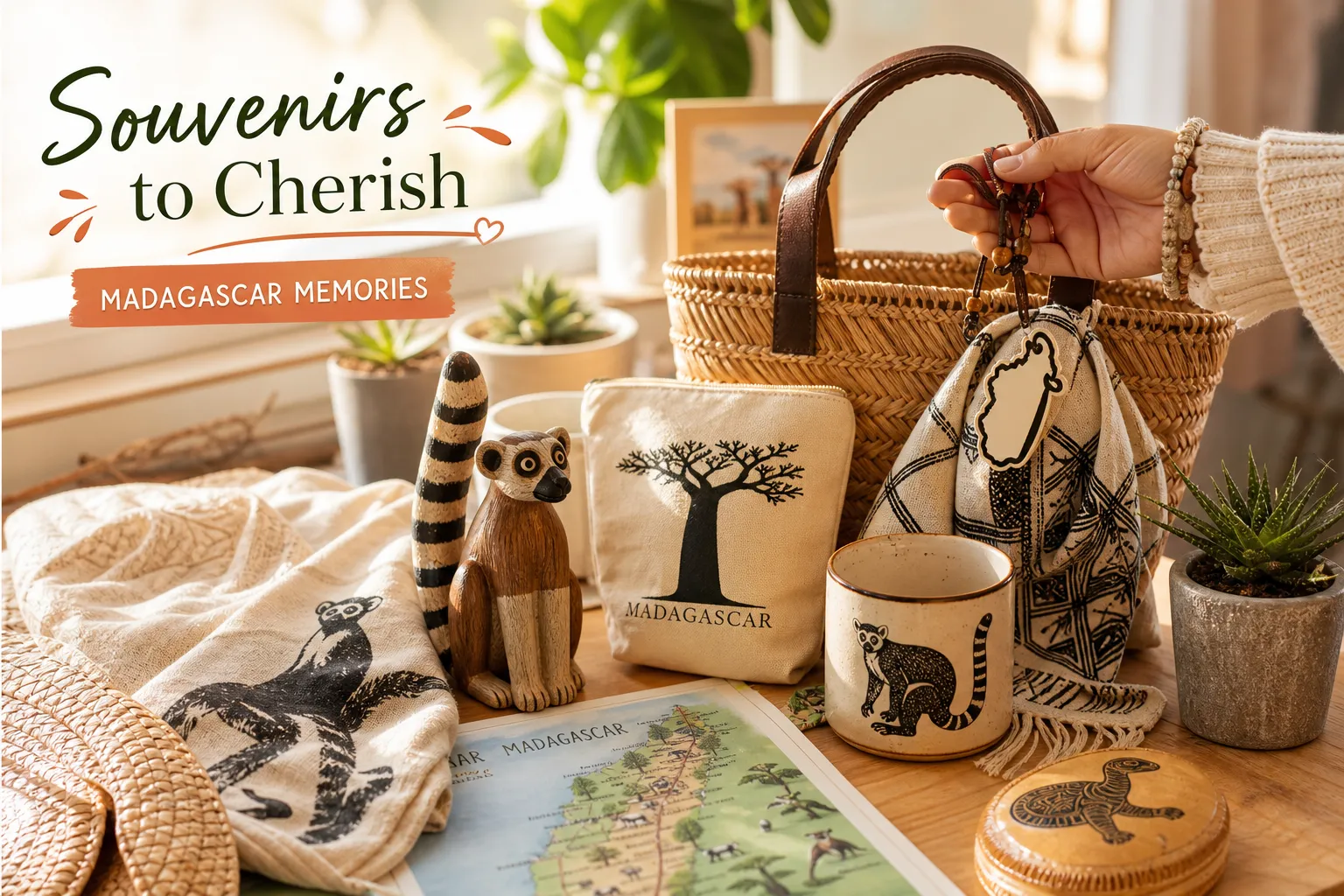 Best Souvenir Ideas After a Madagascar TripRead more
You're back. The humidity is gone, the lemurs are a memory, and you're standing in your living room holding a raffia...
-
 Madagascar Wildlife Apparel: A Guide for Nature LoversRead more
Many Madagascar animal shirts on the market share the same problem: generic stock art, forgettable prints, and no...
-
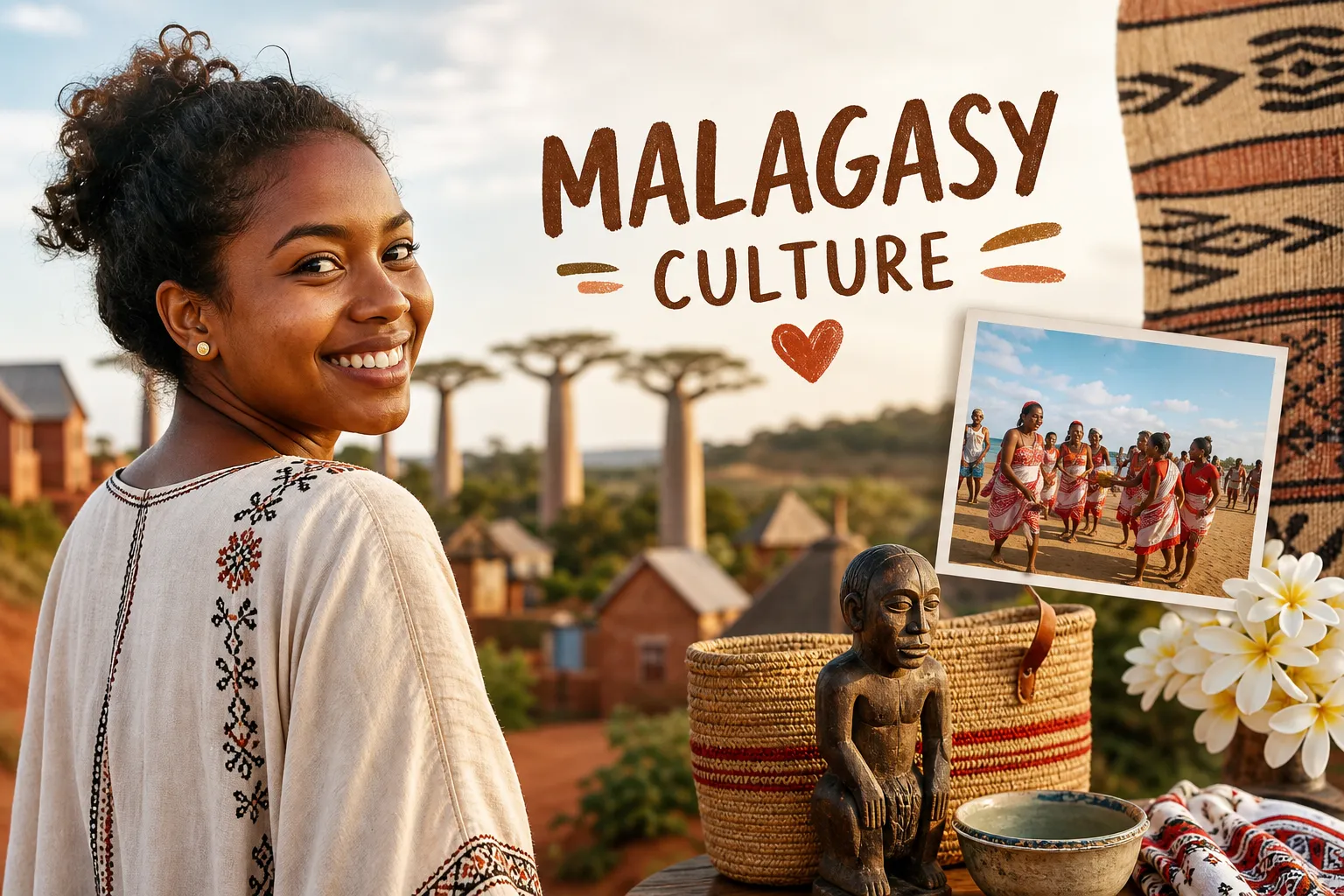 15 Malagasy Culture Facts That Will Surprise YouRead more
Many Americans know Madagascar through the DreamWorks animated film of the same name. The real island is something...
-
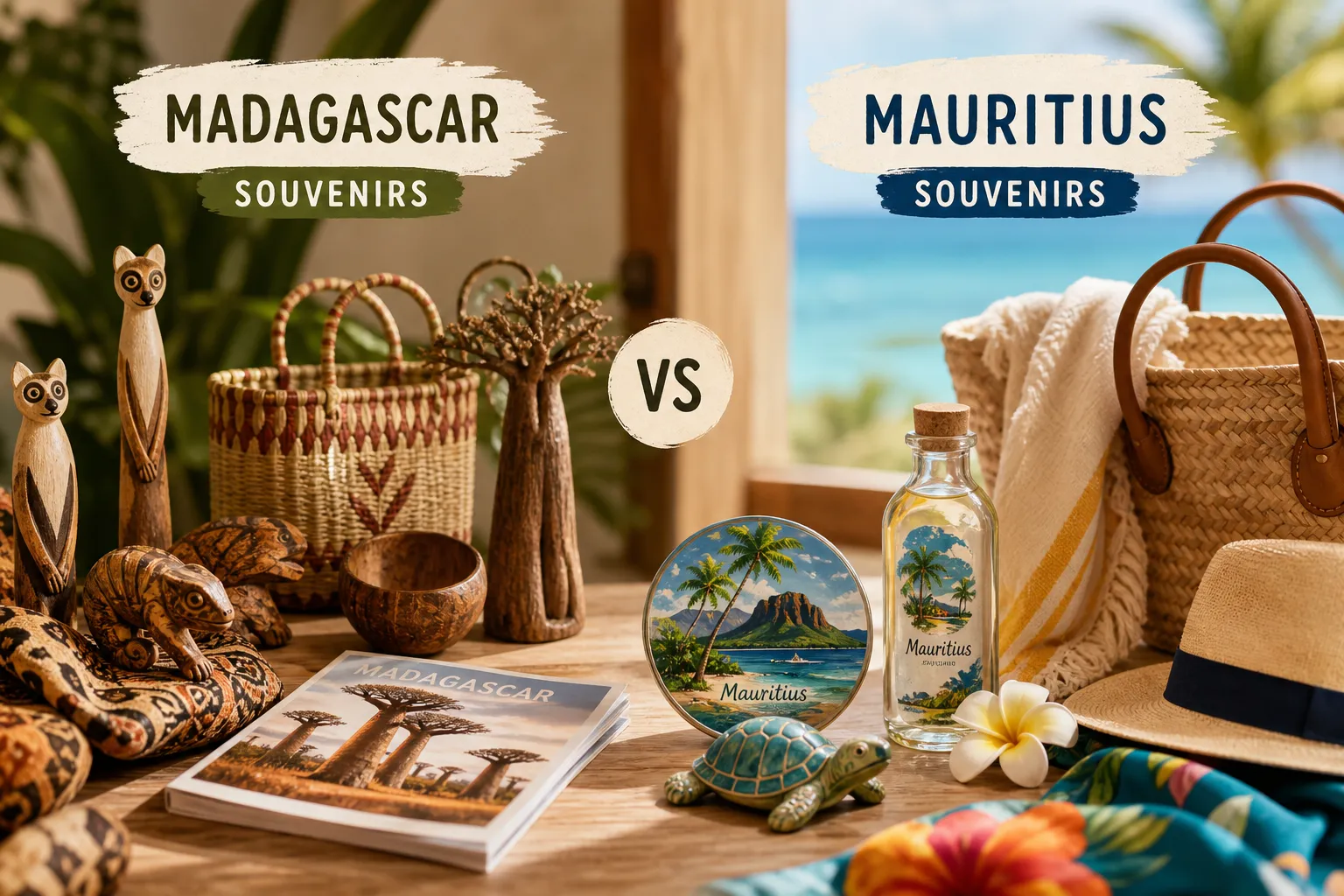 Madagascar vs Mauritius Souvenirs: Key DifferencesRead more
When comparing Madagascar vs Mauritius souvenirs, most travelers are surprised by how little overlap there actually...
Blog categories
Search in blog
Archived posts
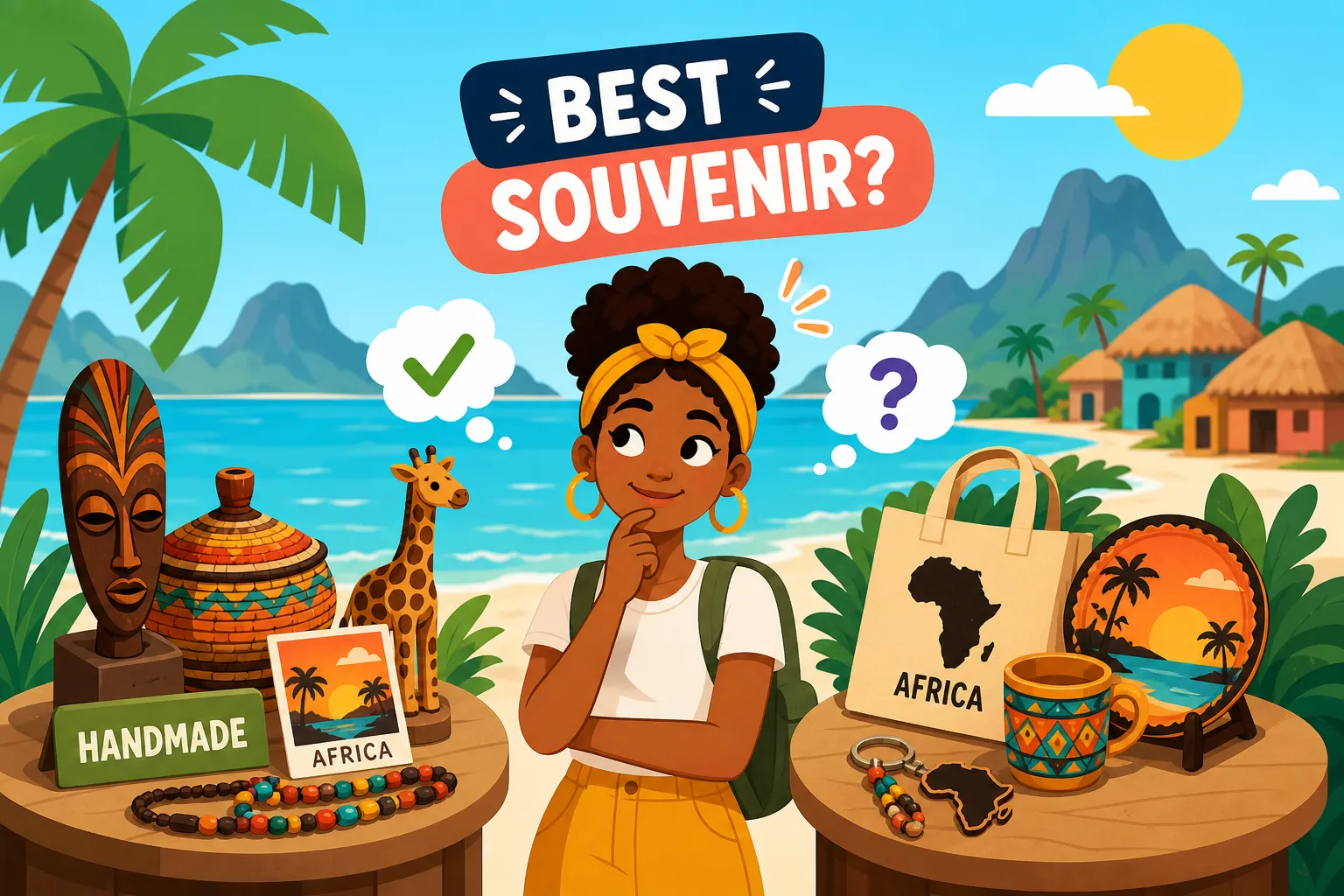
African Island Souvenir Comparison: Which Is Best?
African Island Souvenir Comparison: Which Is Best?
Picture this: you're standing in a crowded market stall, surrounded by carved figurines, spice packets, printed scarves, and shell jewelry, with absolutely no idea what's worth buying. Some of it looks genuinely beautiful. Some of it looks like it was manufactured in bulk and shipped to every tourist market on the continent. And you're about to board a flight home in 48 hours. Not all island souvenirs are equal, and doing a quick island souvenir comparison before you shop can save you real money and a lot of regret. This guide breaks down exactly what's worth your money across five widely visited African island destinations: Madagascar, Mauritius, Réunion, Zanzibar, and Seychelles.
Each island has a completely different souvenir culture shaped by local materials, wildlife, history, and craft traditions. The raffia weavings of Antananarivo look nothing like the carved Swahili doors of Stone Town. The coco de mer jewelry of Seychelles has zero overlap with the vanilla gift sets of Réunion. Whether you're shopping for yourself or someone back home, this souvenir comparison helps you cut through the tourist traps and find keepsakes with real staying power.
Island souvenir comparison: how African island cultures stack up
These five islands sit relatively close to each other on a world map, but they are culturally worlds apart. Madagascar has been isolated for tens of millions of years, producing a wildlife and craft tradition found nowhere else on earth. Zanzibar carries centuries of Arab, Indian, and Swahili Coast influence from its role in Indian Ocean trade. Mauritius and Réunion bear strong French Creole and Indian cultural imprints. Seychelles blends African, French, and Asian heritage into its own distinct identity.
Those histories show up directly in what artisans make and sell. To use this island souvenir guide well, keep four buyer priorities in mind as you read: authenticity (does it genuinely reflect local culture?), durability (will it survive years of use?), budget (what does it actually cost?), and packability (can you get it home without a customs incident?). Every section below addresses all four.
Madagascar: keepsakes as unique as the island itself
Madagascar's souvenir scene is defined by radical uniqueness. A very high proportion of its wildlife is endemic, found nowhere else on earth, and that fact shows up in what local artisans make. Lemur carvings, chameleon figurines, baobab motifs, and zebu horn jewelry are all distinctly Malagasy, deeply rooted in traditions you won't find replicated elsewhere. Raffia weaving, a fine and intricate textile tradition, produces bags, hats, and table mats that hold up beautifully over time and pack flat into a checked bag.
For textiles, lambas (traditional Malagasy fabric wraps) and handwoven silk items from the highlands are among the most authentic and durable keepsakes available. Quality construction shows natural color variations and fine, even hand-stitching throughout. Tourist-grade imitations sold near airports tend to use synthetic fibers, machine-stitched edges, and flat, uniform dyes that fade quickly.
Carved wooden items deserve a special note because they come with a real complication. Rosewood products from Madagascar are subject to CITES export controls, and even a beautiful hand-carved piece can be detained or confiscated at the US border if it lacks proper export documentation. The general rule: if a vendor cannot produce paperwork confirming the wood source, leave it behind. The customs headache is genuinely not worth it.
For travelers who fell in love with Madagascar's wildlife and culture but want to skip the customs minefield entirely, KissMada is worth knowing about. The brand offers design-forward Madagascar-themed apparel, accessories, and everyday goods, lemur graphic tees, baobab-printed items, and Malagasy culture-inspired designs, all shipped to US customers with tracking. It's a practical, stylish way to carry the Red Island home without navigating a customs declaration for natural materials.
Zanzibar: spice trails, carved doors, and tinga tinga art
Zanzibar's craft identity is rooted in its Swahili Coast heritage and centuries of Indian Ocean trade routes. The most distinctive purchases here are spice sets (cloves, cinnamon, black pepper, cardamom, nutmeg), tinga tinga paintings, and intricately carved wooden items influenced by Omani architectural tradition. These are genuinely local products found nowhere else on the continent in this specific form.
For a useful souvenir price comparison: spice sets from licensed cooperative farms typically run $5 to $15 for standard packets, with curated gift sets reaching $20 or more. Tinga tinga paintings vary widely in quality and price, small tourist-market versions start around $20, while larger pieces from trained artists working in dedicated studios can reach $100 or more. The difference is visible. Authentic tinga tinga has visible brush texture and layered paint depth with real variation; a mass-printed version looks flat and uniform, more like a poster than a painting.
Where you buy matters as much as what you buy. The Darajani Market and Stone Town's craft shops are far better sourcing spots than beachside vendor tables, where mass-produced versions dominate. Buy spices directly from spice farms. Buy art from named studios. If a vendor's entire stock is perfectly identical, that's not a craft market, it's a warehouse clearance.
Mauritius, Réunion, and Seychelles: what each market offers
Mauritius is the most commercially developed souvenir market of the three. The famous model wooden ships are genuine artisan products, hand-assembled replicas of historical vessels, typically priced from $50 to $200 or more depending on size and craftsmanship, though prices vary widely. Dodo-themed merchandise is everywhere, from fridge magnets to wearable items, and quality varies significantly. Local rum and tea make excellent packable gifts in the $10 to $30 range. The best pieces come from certified craft cooperatives, not hotel lobbies.
Réunion's standout souvenir is its bourbon vanilla, one of the finest in the world and priced accordingly, expect to pay roughly $15 to $40 for quality extract or dried pods, though pricing varies by vendor and season. Authenticity here is straightforward to assess: genuine pods feel pliant and fragrant, not dry or brittle. Look for clear origin labeling and sealed packaging. Réunion's souvenir market tends to be smaller and less tourist-saturated than Mauritius, which generally works in the buyer's favor for finding goods that are actually local.
Seychelles centers on one iconic item: the coco de mer, the world's largest seed, found only in Seychelles. It is heavily regulated, and certified, permitted miniature carvings or certified whole seeds are the safest legal route for purchase, with prices ranging from $30 to several hundred dollars depending on size and finish, verify current permit requirements with local authorities before buying. Undocumented coco de mer items are a serious customs risk. Black Tahitian-style pearls and granite-inspired jewelry are solid alternatives; they're made from non-wildlife-based materials, which typically face fewer import restrictions, and they carry strong authentic Seychellois identity without the permit paperwork.
Island souvenir comparison: spotting local crafts vs. tourist merchandise
Authentic crafts across all five islands share common tells: slight variations between pieces, visible tool marks or hand-stitching, locally sourced materials, and natural imperfections that confirm a human being made each one. Factory-made items look identical across the entire stock, use perfectly uniform finishes, and often feel lighter or flimsier than the handcrafted counterparts displayed right next to them. This local crafts vs. tourist merch distinction is the single most useful skill you can develop before stepping into any island market.
Three questions cut through any vendor's sales pitch: what's it made from, who made it, and where? A seller who answers specifically, naming a village, cooperative, or artisan, is a far stronger sign of authenticity than someone who gestures broadly and says "handmade." Price tells you something too. If a supposed hand-carved figurine costs $3, it is almost certainly not hand-carved. Real labor has real cost, and authentic craft is priced to reflect it.
The strongest buying signal of all is watching someone work. Across every island market, the most reliable indicator of genuine craft is a vendor who demonstrates the process, shows you the tools, or points you toward the workshop where production actually happens. If none of that is available, buy the spices and move on.
What to buy, what to ship, and what to skip entirely
The safest and most practical choices across all five islands share a pattern: textiles, sealed spices, quality ceramics, and modern printed merchandise pack flat or compact, survive a checked bag, and clear US customs without documentation headaches. For a quick beach souvenir guide by category, raffia items from Madagascar and tinga tinga paintings from Zanzibar rank among the highest-authenticity, packable options in their respective destinations. Carved woodwork is durable but bulky; jewelry is portable but varies wildly in quality depending on the source.
Several popular-looking souvenirs create real problems at the US border. Coral-based jewelry, raw shells, items made from animal hide or bone, live plants, and uninspected food items are all commonly restricted or outright prohibited. The rule applies everywhere: if the item comes from a plant or animal and does not come with a clear certificate or permit, skip it. US Customs and Border Protection, USDA, and the Fish and Wildlife Service all scrutinize natural-material souvenirs, and the consequences of getting it wrong range from confiscation to fines.
That's where destination-inspired merchandise from direct-ship brands earns its keep. Items like the apparel and accessories available from KissMada, designed around Madagascar's wildlife, landscapes, and cultural identity, ship directly to US customers, arrive with zero customs complications, and hold up through years of daily use. For anyone who wants their connection to the Red Island in everyday form, that's not a compromise. That's the smarter choice.
The best island souvenir is the one you actually use
Each of these five islands has a genuinely distinct souvenir culture, and Madagascar stands apart for the sheer uniqueness of what its craftspeople produce. The challenge is navigating what you can realistically bring home legally and practically. Spices from Zanzibar, vanilla from Réunion, model ships from Mauritius, certified coco de mer from Seychelles, and raffia or lambas from Madagascar each represent a specific, authentic piece of their island's identity. None of them are interchangeable, and the most authentic versions are far more available locally than anywhere back home.
For travelers who want their Madagascar experience wearable and functional without worrying about customs forms, KissMada is a clean, modern option. The shop offers design-forward apparel and everyday goods that carry the spirit of the Red Island in a form you'll reach for every week rather than display on a shelf and forget. Browse the collection at KissMada to find something genuinely worth bringing home.
The decision framework is simple. Let one priority guide every purchase, whether that's authenticity, durability, or just getting it through customs in one piece. Use this island souvenir comparison to match the keepsake to what actually matters to you, from Antananarivo's markets to Stone Town's old city. The best souvenir isn't the most expensive one or the most exotic one. It's the one that earns a permanent place in your life long after the trip ends.
Posted in:
Madagascar
Related posts
-
 Madagascar Gifts: What to Buy and Where to Find Them
You're searching for Madagascar gifts and the options feel all over the place. On one end, you've got DreamWorks...Read more
Madagascar Gifts: What to Buy and Where to Find Them
You're searching for Madagascar gifts and the options feel all over the place. On one end, you've got DreamWorks...Read more -
 Madagascar Culture Explained for Beginners
Whether you're packing a bag for Antananarivo, writing a research paper, or trying to reconnect with roots you grew...Read more
Madagascar Culture Explained for Beginners
Whether you're packing a bag for Antananarivo, writing a research paper, or trying to reconnect with roots you grew...Read more -
 Understanding Madagascar Traditions as an Outsider
Madagascar traditions run deeper than most outsiders expect. Rather than a checklist of cultural facts you skim...Read more
Understanding Madagascar Traditions as an Outsider
Madagascar traditions run deeper than most outsiders expect. Rather than a checklist of cultural facts you skim...Read more -
 What to Gift a Malagasy Expat Living in the US ?
There's a specific kind of ache that comes with living far from the island you grew up on. It's not dramatic or...Read more
What to Gift a Malagasy Expat Living in the US ?
There's a specific kind of ache that comes with living far from the island you grew up on. It's not dramatic or...Read more -
 Madagascar Souvenirs: The Ultimate Buyer's Guide
Madagascar souvenirs cover an extraordinary range, from prized vanilla pods and handwoven lambas to Antaimoro paper...Read more
Madagascar Souvenirs: The Ultimate Buyer's Guide
Madagascar souvenirs cover an extraordinary range, from prized vanilla pods and handwoven lambas to Antaimoro paper...Read more
Leave a comment