 KissMada, your online Madagascar souvenir shop



Something has shifted in how people shop for cultural identity online, and it's not subtle. Cultural merchandise...
Latest posts
-
 Why Cultural Merchandise Online Is Booming in 2026Read more
 -
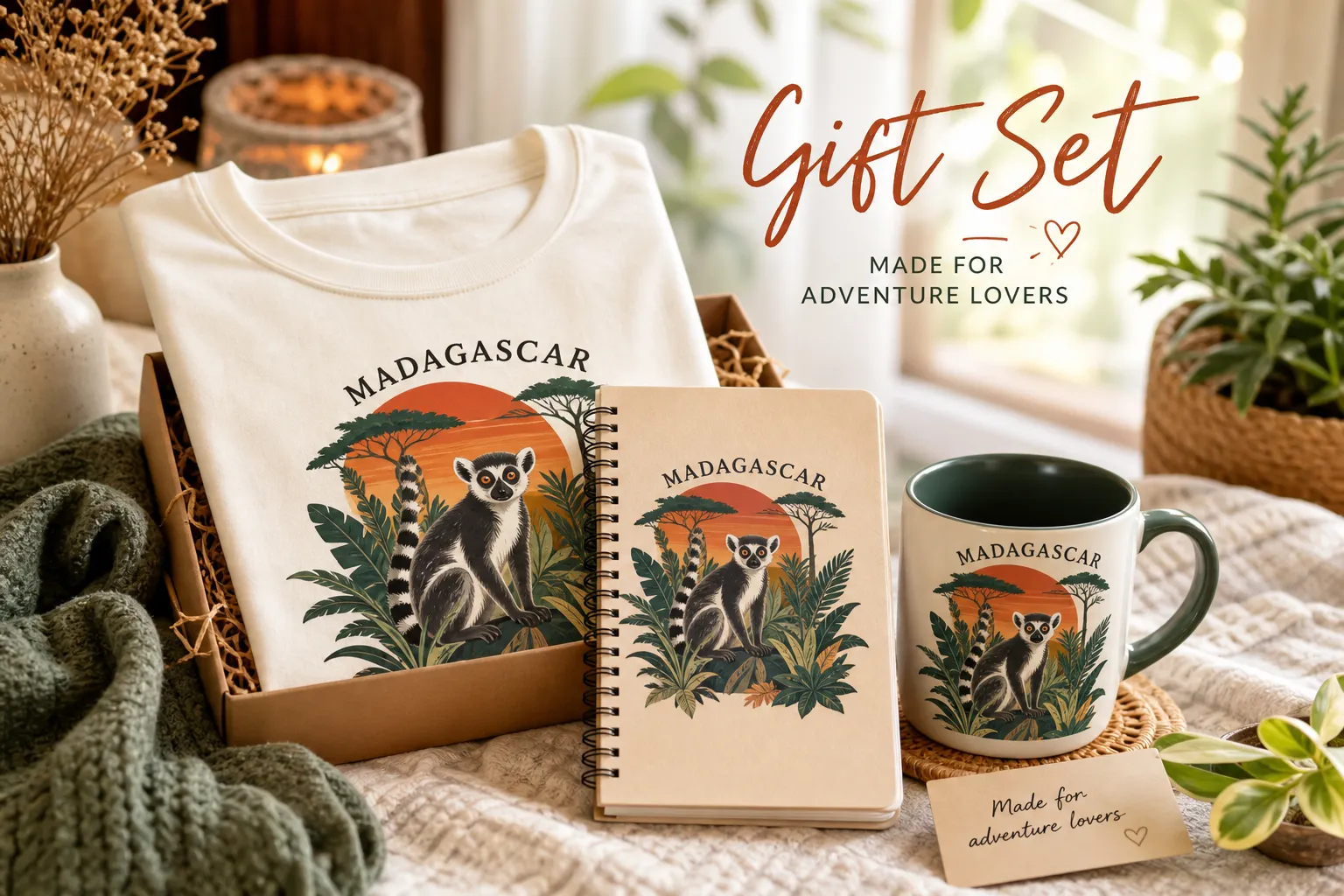 Madagascar Mug, Notebook & Shirt: The Perfect Gift SetRead more
Most Madagascar gifts end up in a drawer. The fridge magnet loses its novelty by week two. The framed photo blends...
-
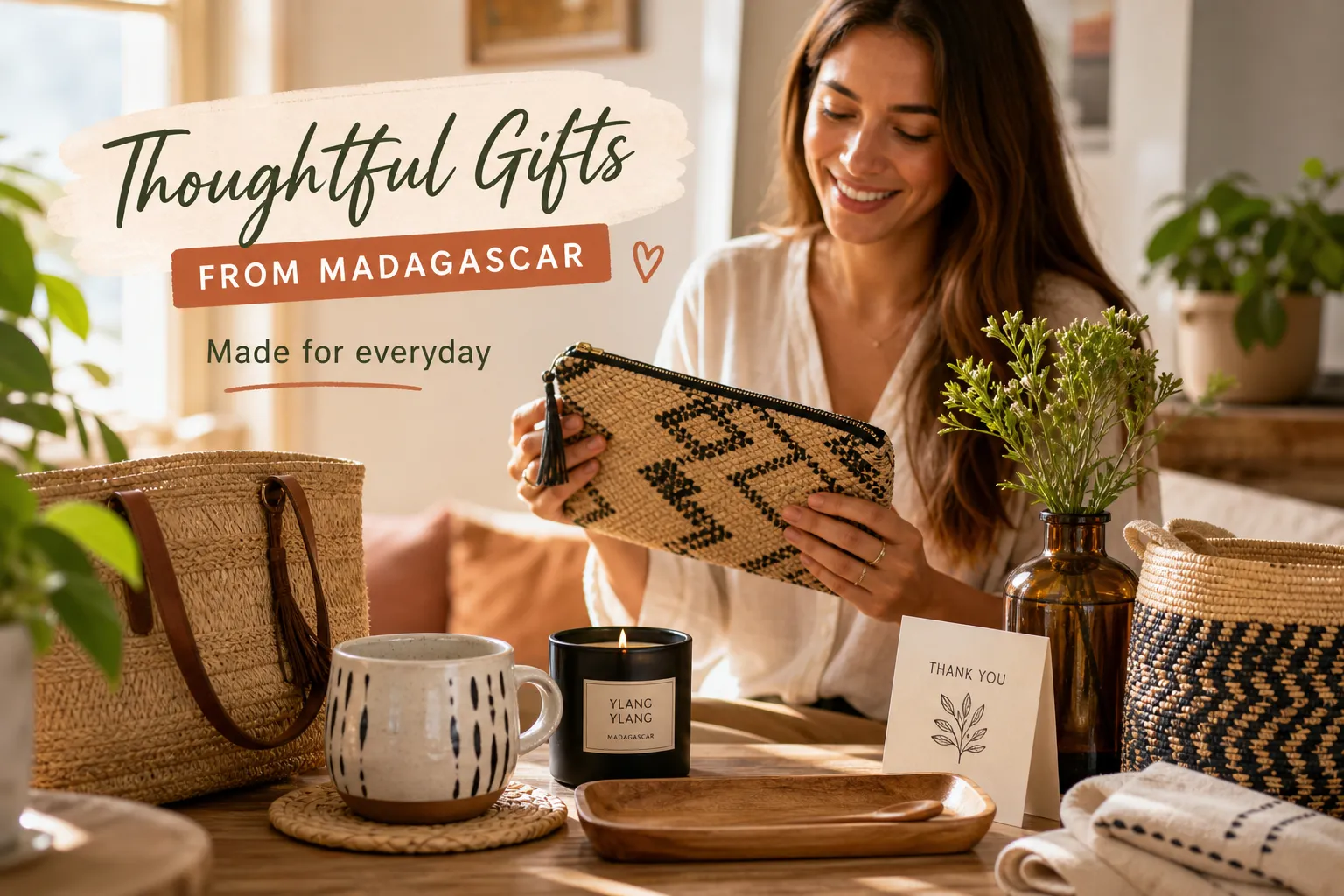 Best Everyday Madagascar Gifts People Will Actually UseRead more
The carved zebu looks great on the shelf for about a week. Then it gets pushed to the back, buried behind a candle...
-
 How to Find the Best Homeland Gifts Online StoreRead more
If you're hunting for a homeland gifts online store that actually feels authentic, this guide will help you find one...
-
 Best Diaspora Online Souvenir Shops to Know in 2026Read more
Most people searching for authentic homeland souvenirs online hit the same wall fast: generic platforms stuffed with...
-
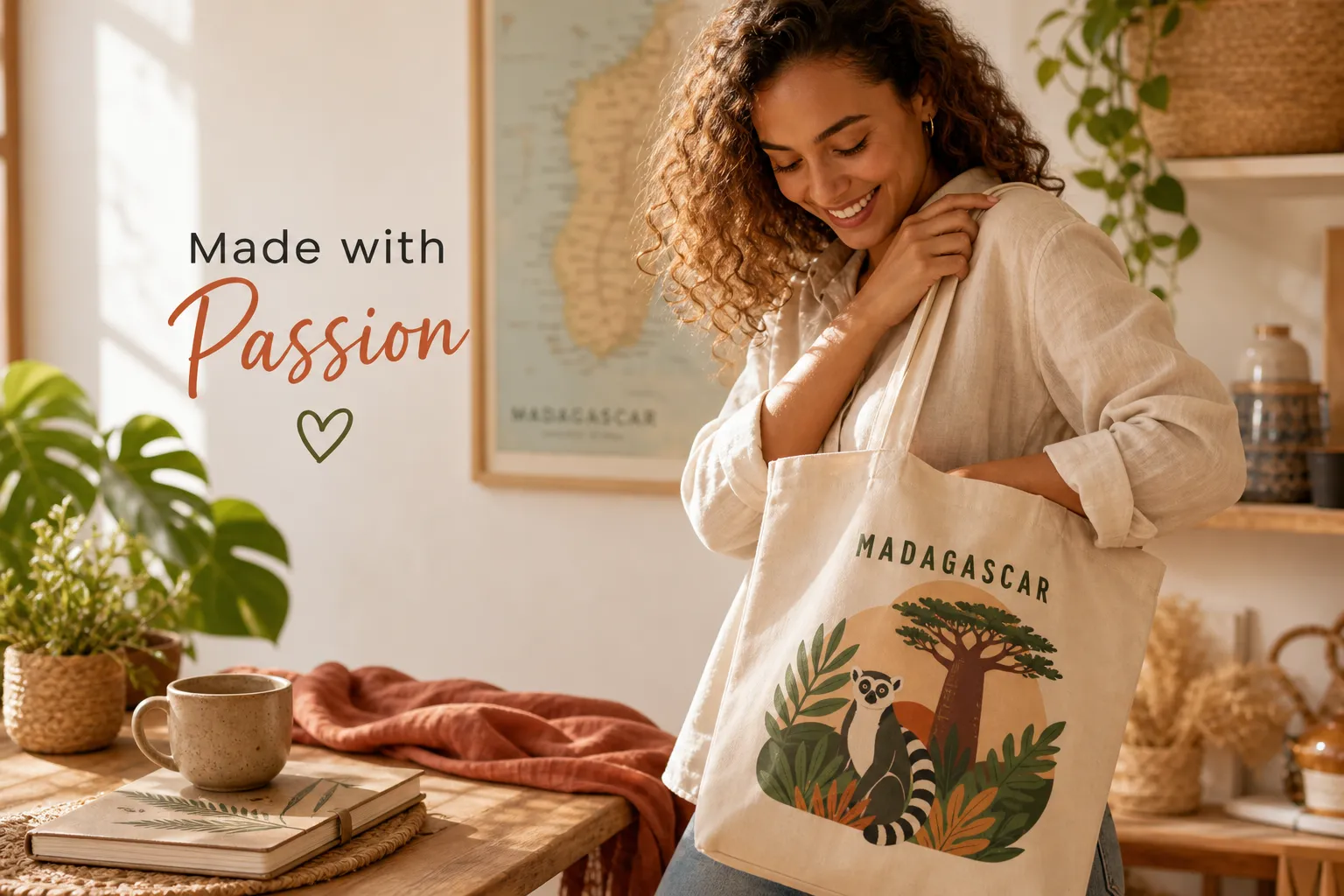 Madagascar Lifestyle Products: Wear Your Passion DailyRead more
A mug on your desk. A hoodie you reach for on a cold Tuesday morning. A tote bag that goes everywhere. These aren't...
-
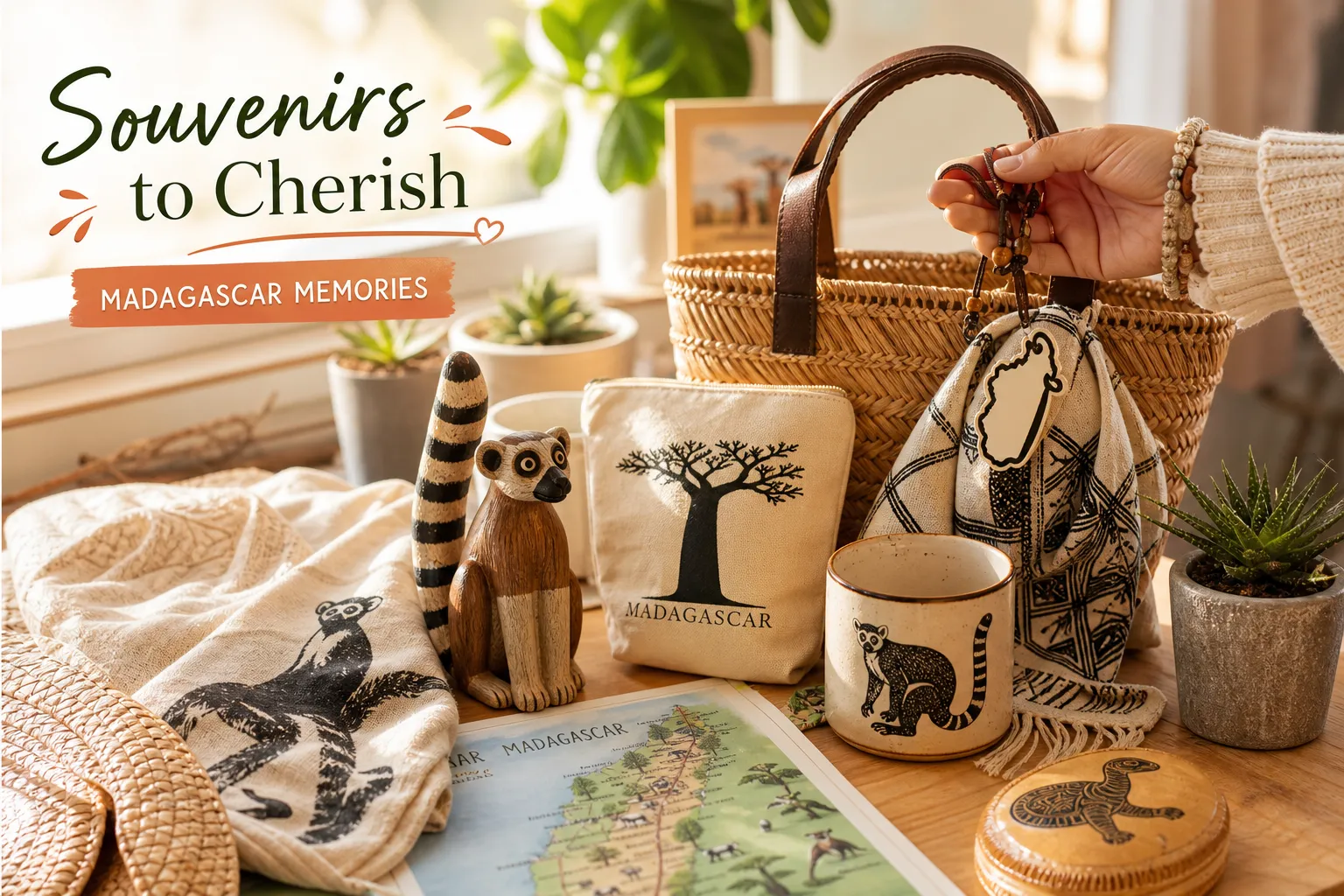 Best Souvenir Ideas After a Madagascar TripRead more
You're back. The humidity is gone, the lemurs are a memory, and you're standing in your living room holding a raffia...
-
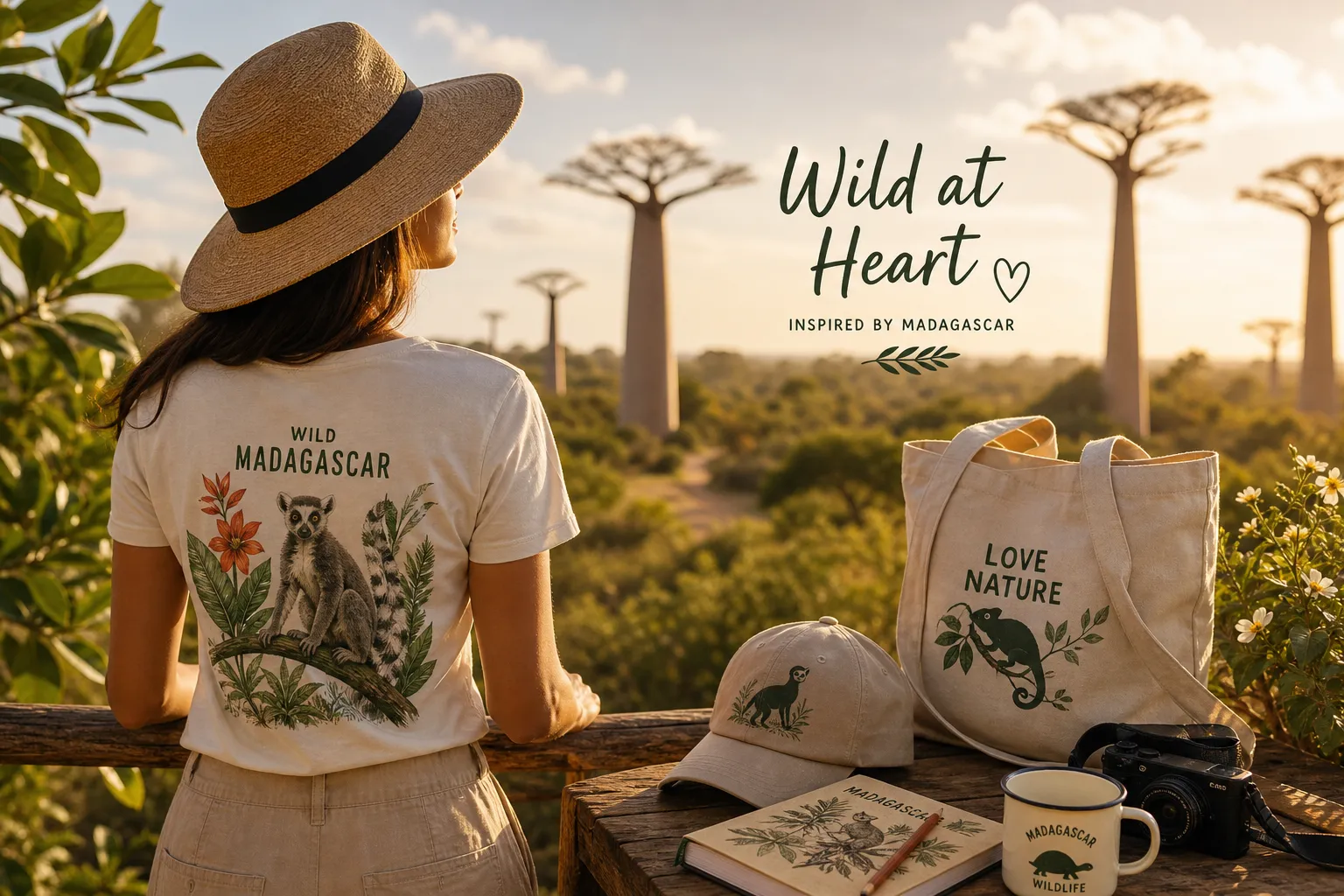 Madagascar Wildlife Apparel: A Guide for Nature LoversRead more
Many Madagascar animal shirts on the market share the same problem: generic stock art, forgettable prints, and no...
-
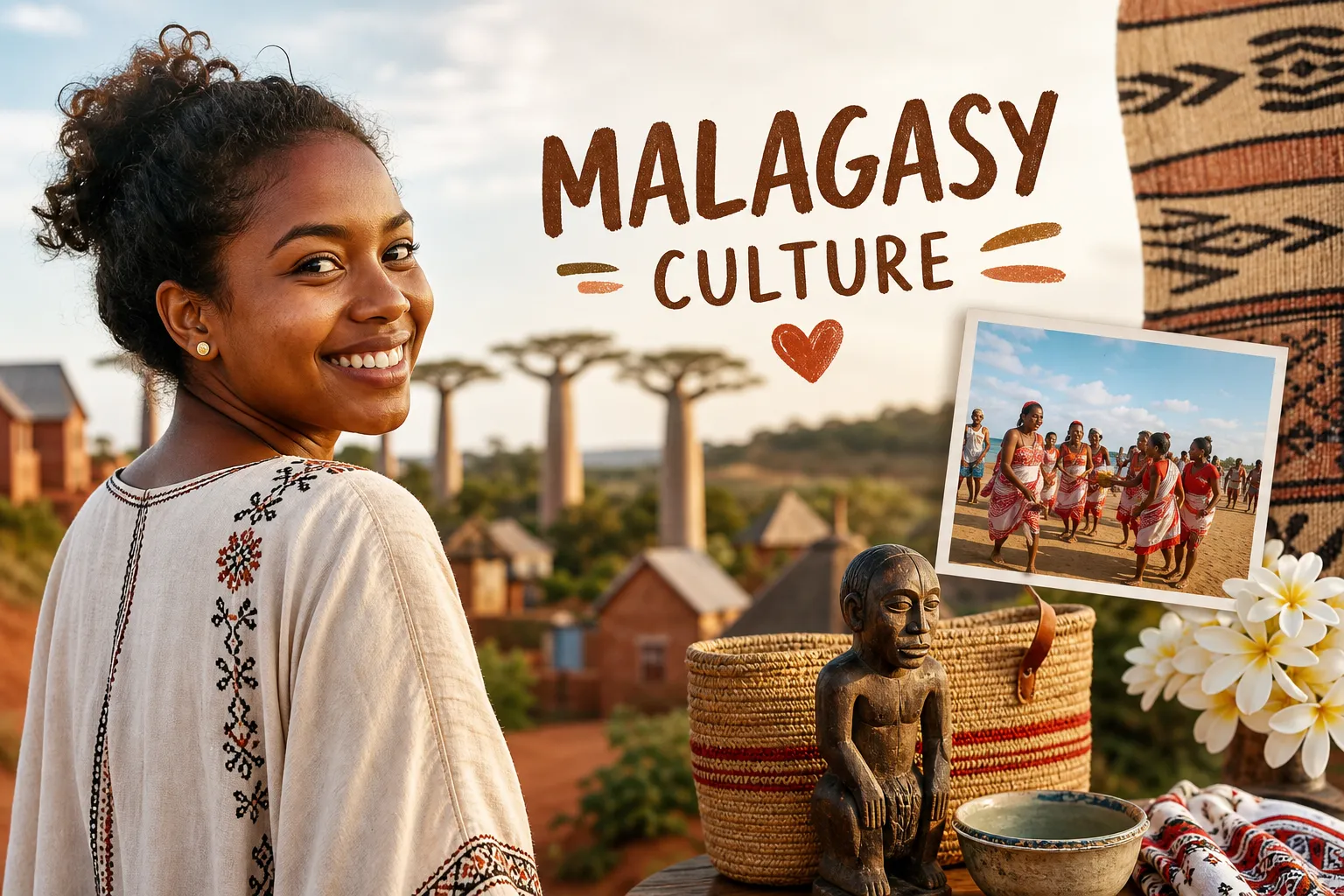 15 Malagasy Culture Facts That Will Surprise YouRead more
Many Americans know Madagascar through the DreamWorks animated film of the same name. The real island is something...
-
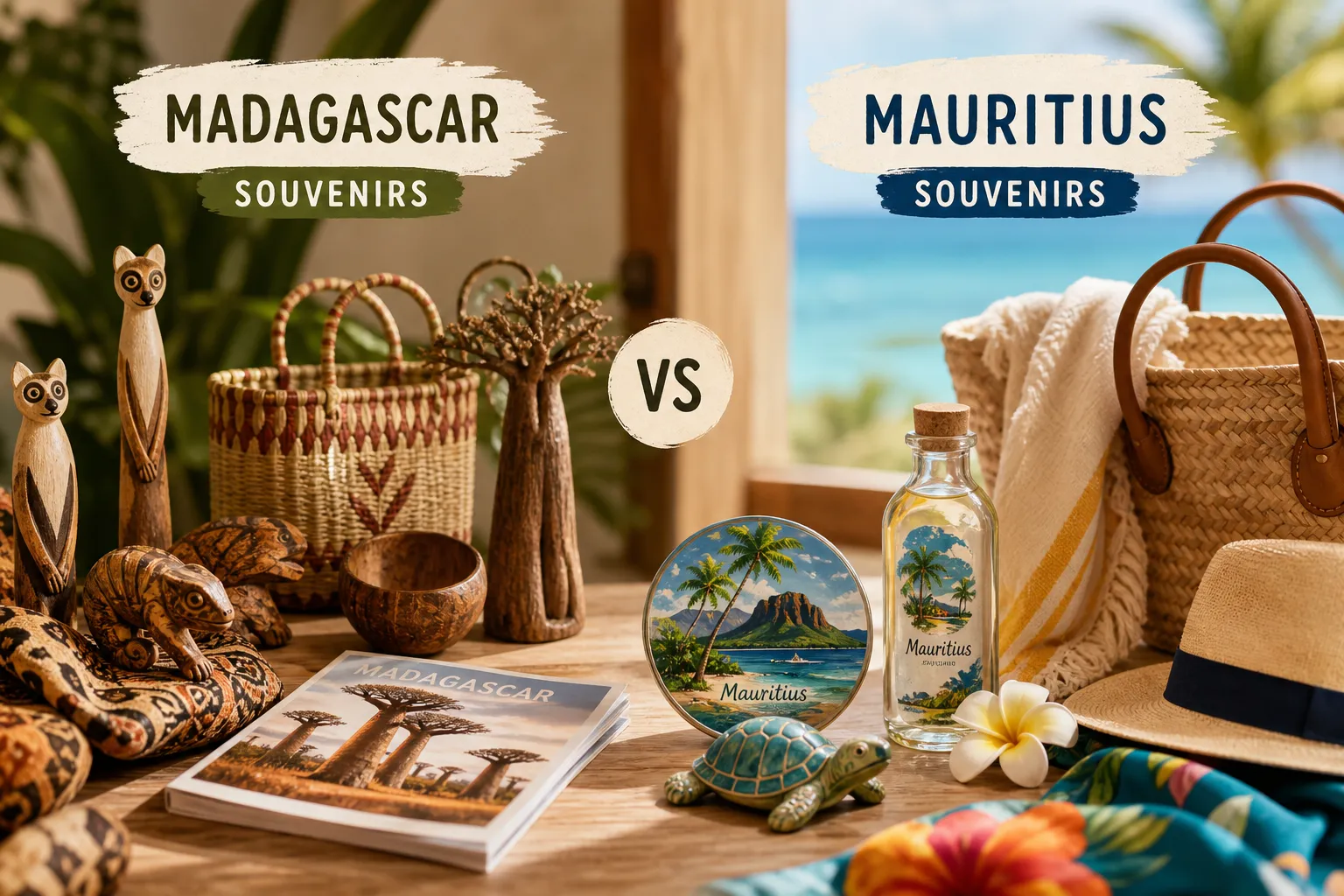 Madagascar vs Mauritius Souvenirs: Key DifferencesRead more
When comparing Madagascar vs Mauritius souvenirs, most travelers are surprised by how little overlap there actually...
Blog categories
Search in blog
Archived posts
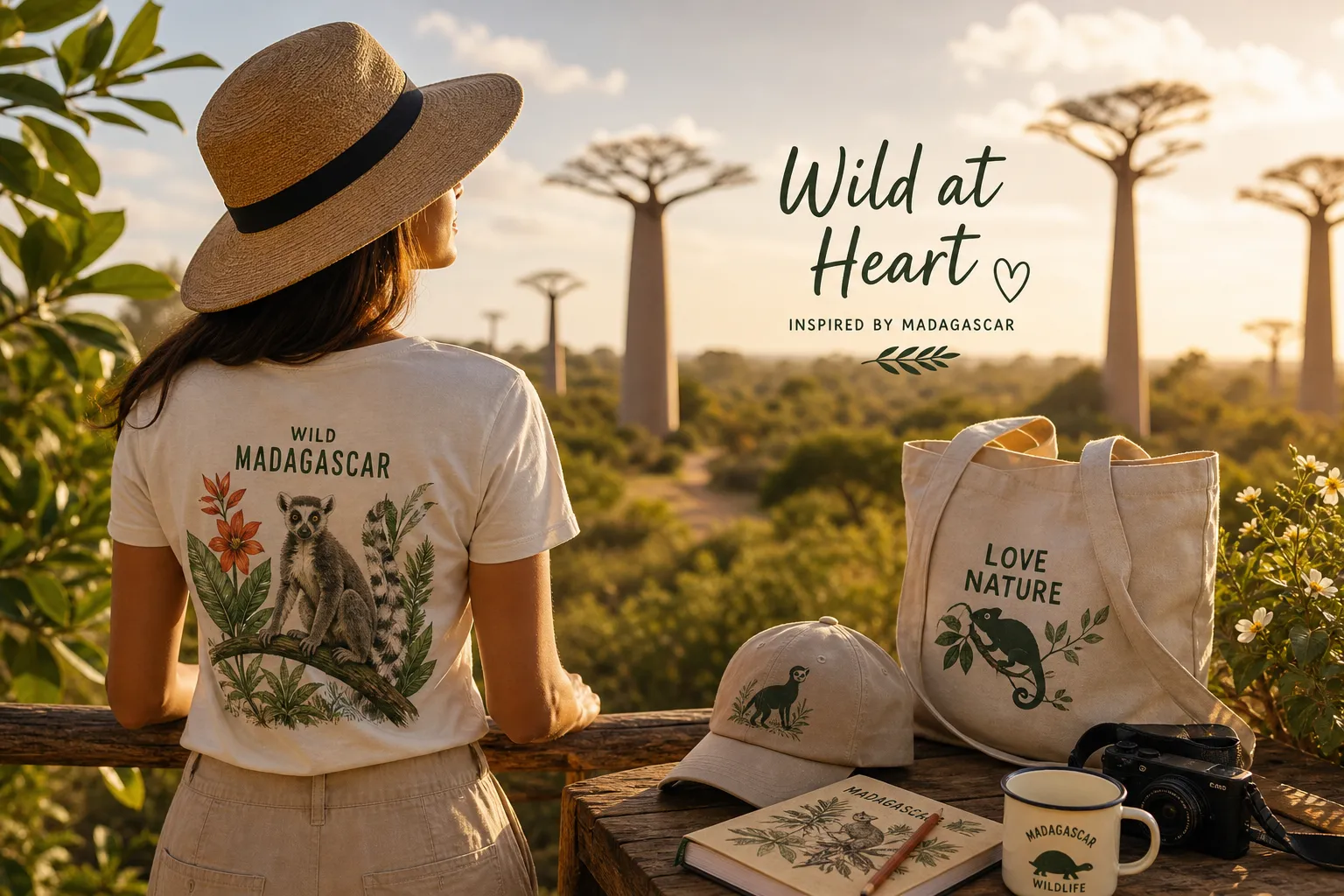
Madagascar Wildlife Apparel: A Guide for Nature Lovers
Many Madagascar animal shirts on the market share the same problem: generic stock art, forgettable prints, and no real connection to the island's identity. If you love Madagascar's wildlife, lemurs, chameleons, the elusive fossa, you deserve apparel that actually looks like it came from someone who knows the place. This guide covers which animals drive the best designs, what quality Madagascar wildlife apparel actually looks like up close, and where US buyers can shop without gambling on slow shipping or low-resolution prints.
The market for Madagascar-themed clothing has grown enough that you now have genuine choices, from conservation-focused nonprofit shops to print-on-demand platforms to independent Madagascar-focused sellers. Those choices aren't equal. Knowing the difference before you buy is what keeps you from ending up with a cracked print on a cotton-poly blend that degrades after a handful of washes. Here's how to read the market clearly.
The animals that define Madagascar animal clothing
Lemurs are Madagascar's most recognizable export in the animal world, and that recognition translates directly into apparel demand. Ring-tailed lemurs, with their striking black-and-white striped tails, photograph well and translate cleanly into graphic design. That's why you find them on everything from fitted tees to hoodies, in styles ranging from photorealistic portraits to playful cartoon interpretations. Top-selling lemur shirts on platforms like Etsy regularly accumulate hundreds of verified reviews, in some cases 300 or more, which signals genuine consumer demand rather than niche novelty.
Best lemur t-shirts and what makes them stand out
The strongest lemur t-shirts share a few traits: original artwork rather than recycled stock illustrations, a clear design perspective in the composition, and a printing method suited to the detail level of the graphic. Ring-tailed lemur designs dominate the category, but sifaka lemurs and indri designs appear in shops that treat Madagascar's biodiversity as a full creative catalog rather than a shortlist of the same three animals.
Madagascar souvenir apparel options beyond lemurs
Chameleons are the second most popular animal in Madagascar-themed shirts, and the reason is visual: vivid color gradients and geometric body shapes make for stunning all-over print designs. The fossa, Madagascar's apex predator, is rarer in apparel but appeals strongly to buyers who want something beyond the obvious tourist pick. Baobab trees technically aren't fauna, but they function as a design anchor in Madagascar souvenir apparel. Their silhouette is immediately recognizable and pairs well with sunset compositions that give clothing a premium, editorial feel rather than a souvenir-shop aesthetic.
For buyers who want to go deeper, tomato frogs, day geckos, leaf-tailed geckos, and sifaka lemurs all appear in Madagascar animal clothing, with less frequency but often more interesting design execution. The best shops treat Madagascar's biodiversity as a creative catalog, not a shortlist.
What separates quality Madagascar wildlife clothing from a generic print
The difference between a Madagascar animal shirt that lasts two years and one that cracks after a few washes comes down to printing technique. Direct-to-garment (DTG) printing embeds ink into fabric fibers for soft, detailed results on cotton. It's the best method for photorealistic wildlife graphics with smooth gradients and fine lines.
Direct-to-film (DTF) transfers work well on blended fabrics and hold sharp edges on intricate designs where DTG struggles. Sublimation is the go-to for all-over prints: full-coverage chameleon or baobab designs that wrap around the entire garment require this method to look cohesive. Embroidery adds a tactile, premium feel for simpler logos or text elements but cannot reproduce photographic detail.
If a seller doesn't mention the printing method anywhere on their product pages, ask before you buy. Reputable shops disclose their decoration techniques because those techniques are a selling point, not a liability. If a seller can't or won't answer the question, that's worth factoring into your decision.
Beyond technique, design authenticity is the other major dividing line. A significant portion of Madagascar wildlife merch online uses the same pool of licensed stock illustrations: the same ring-tailed lemur in the same pose across a dozen different sellers on different platforms. Authentic design means a creative decision was made, rooted in the island's visual culture, not just a clip-art lemur dropped onto a white tee. The best Madagascar-themed shirts show evidence of a design perspective: composition choices, color palettes that reflect Madagascar's landscapes, or cultural references layered into the artwork.
Fabric matters too. Premium wildlife graphic tees are almost always cotton-based: 100% ring-spun cotton for the softest feel, or cotton-polyester blends in ratios like 52/48 or 65/35 for added durability and shape retention. All-over print and sublimation designs typically require a higher polyester content for color fidelity. If a product listing doesn't include fabric composition, ask before you buy.
Where US buyers can find authentic Madagascar wildlife apparel
KissMada is built specifically for this type of purchase. It's a dedicated Madagascar merchandise shop, a conservation apparel Madagascar resource and design-forward lifestyle brand, that uses multiple premium decoration techniques across a wide product range: t-shirts, hoodies, sweatshirts, dresses, beanies, and accessories. The designs draw on authentic Malagasy visual culture, treating wildlife, landscapes, and cultural symbols with a contemporary graphic sensibility rather than a tourist-shop aesthetic. For US buyers, KissMada offers order tracking from preparation through delivery, and prices stay accessible across its range. That's a practical advantage compared to ordering from a European Etsy shop with unclear US shipping timelines and potential customs considerations.
If your priority is directing money toward conservation, a few shops tie purchases to specific outcomes. The Lemur Conservation Foundation Gift Shop returns 100% of proceeds to lemur conservation efforts, the most transparent model in this space. Lemur Bags donates 15% of profits to conservation programs. Planet Madagascar returns 100% of profits from its Tanana Silk line directly to its team in Madagascar. WildMadagascar.org sells branded apparel through a print-on-demand setup at roughly $15 to $32 per item, though the site itself notes it doesn't currently run on-the-ground projects in Madagascar.
Redbubble and Teepublic host Madagascar wildlife designs from independent artists, with prices typically in the $16 to $35 range. You're buying from a platform rather than a brand with a Madagascar identity, which means no design consistency and no cultural curation. The trade-off is volume: hundreds of designs in one place, fulfilled domestically in the US, which speeds up delivery even if it removes brand continuity. For buyers who prioritize price point and variety over brand coherence, these platforms are worth browsing.
How price, materials, and US shipping actually compare
Madagascar conservation store options and general wildlife apparel span a meaningful price range depending on the source. Basic tees from WildMadagascar.org run $15 to $21. Etsy listings from shops like MadagaskArtShop sit around $19.85 for a tee and $32.28 for a sweatshirt, shipping from Germany. Redbubble's Madagascar wildlife shirts start around $17 and go up to roughly $35 depending on style. The Wildlife Madagascar official store lists a t-shirt and cap at $25 each, though material details and shipping policies aren't prominently disclosed on the storefront page. KissMada's range sits competitively within this field and spans a broader product variety, from apparel to everyday goods.
Shipping is where many Madagascar merchandise purchases go sideways for US buyers. MadagaskArtShop ships from Germany, which means longer delivery windows and potential customs considerations that aren't always clearly disclosed upfront. Some Etsy sellers advertise free US shipping on lemur shirts, but it's worth checking whether the listed price reflects that cost. Redbubble and Teepublic fulfill orders through US-based third-party printers, which speeds up delivery but means the product arrives with platform branding rather than any Madagascar identity.
KissMada provides order tracking from preparation through delivery, which removes the uncertainty that makes international souvenir purchases frustrating. For a gift purchase with a deadline, that visibility matters considerably more than saving a few dollars on a seller with vague shipping estimates.
Do Madagascar wildlife purchases support conservation, and how do you verify it?
Conservation claims in the apparel space deserve scrutiny. The Lemur Conservation Foundation is transparent: 100% of gift shop proceeds fund lemur conservation, and the organization publishes its mission and programs publicly. Lemur Bags states 15% of profits go to conservation, specific enough to be credible. Planet Madagascar returns 100% of profits from its Tanana Silk line directly to its Madagascar team. The Wildlife Madagascar merch page says each purchase "supports its mission" but doesn't specify a percentage or name a program, which is vague by comparison.
A credible conservation claim includes at least one of the following: a named conservation partner, a stated percentage of proceeds, or a published impact report. Broad language like "supports Madagascar" or "helps wildlife" without specifics is a marketing statement, not a commitment. If conservation is a factor in your buying decision, take 60 seconds to click through to the organization's conservation or impact page before purchasing. The information is usually there if the commitment is real.
For buyers whose priority is design quality and cultural authenticity over conservation donation, the calculus shifts toward shops that compete on design integrity, product range, and the overall experience of owning something that genuinely represents Madagascar's identity. Conservation and design quality aren't mutually exclusive, they represent different buyer priorities, and being clear about your own helps you shop more efficiently.
How to choose the Madagascar wildlife apparel that's right for you
Start by identifying what matters most to you. If conservation donation is the primary goal, the Lemur Conservation Foundation shop is the most transparent option in the market, with the clearest published model for where your money goes. If you want budget-friendly or artist-specific designs with fast domestic delivery, Redbubble and Teepublic offer volume and variety at lower price points, with the trade-off being no Madagascar brand identity behind the product. If you want thoughtfully designed Madagascar souvenir apparel that reflects authentic Malagasy visual culture and ships to the US with tracking, KissMada is a strong option worth exploring first.
Before committing to any Madagascar wildlife apparel purchase, run through four quick checks. Does the shop disclose its printing method? Is the design original or stock art? What are the actual US shipping timelines and costs? And if conservation matters to you, does the shop name a specific percentage or partner? A few minutes of due diligence separates a purchase you'll wear for years from one that fades after the first wash.
Madagascar's wildlife deserves better representation than a cracked print on a cheap blend. Ring-tailed lemurs, chameleons in full chromatic display, the rarely-depicted fossa: these are genuinely extraordinary subjects for apparel design. The shops that treat them that way are worth finding. Use this guide as your filter.
The bottom line on Madagascar wildlife merch
Madagascar wildlife apparel done right is more than a souvenir category. It's a way to carry a connection to one of the most biologically unique places on earth. The animals that make Madagascar extraordinary translate into genuinely striking designs when someone puts real creative intent behind them. The market has options at every price point, from conservation-focused nonprofit shops to print-on-demand platforms, but not all of them combine authentic Malagasy design sensibility with the product range and US shipping reliability that a dedicated Madagascar shop delivers.
KissMada was built to fill that gap: design-forward Madagascar merchandise that goes beyond the generic tourist trinket and reflects the island's visual culture with a modern eye. Whether you're buying for yourself or as a gift for someone with a Madagascar connection, the standard is straightforward. Good Madagascar wildlife merch exists. Knowing what to look for is what gets you there.
Posted in:
Madagascar
Related posts
-
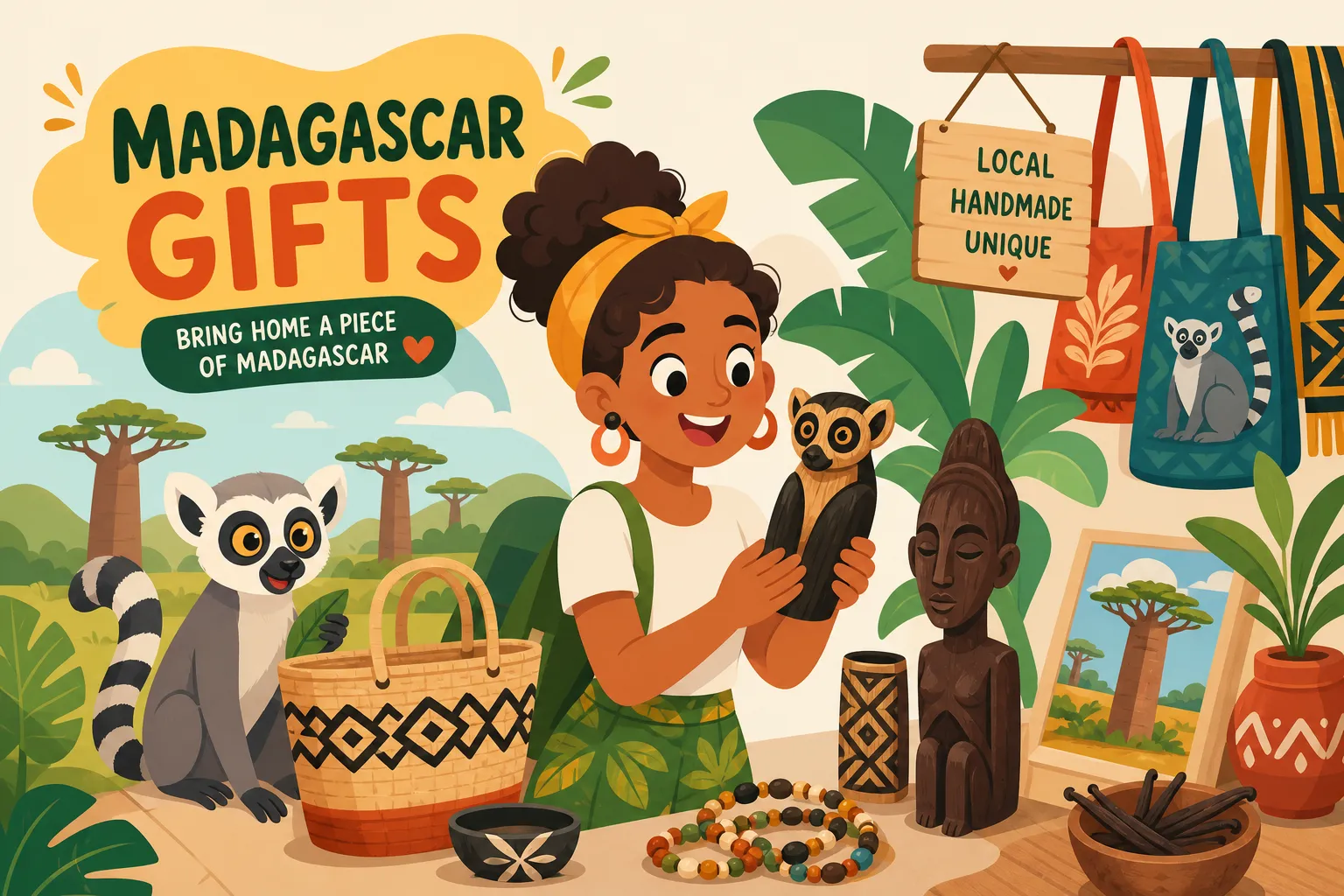 Madagascar Gifts: What to Buy and Where to Find Them
You're searching for Madagascar gifts and the options feel all over the place. On one end, you've got DreamWorks...Read more
Madagascar Gifts: What to Buy and Where to Find Them
You're searching for Madagascar gifts and the options feel all over the place. On one end, you've got DreamWorks...Read more -
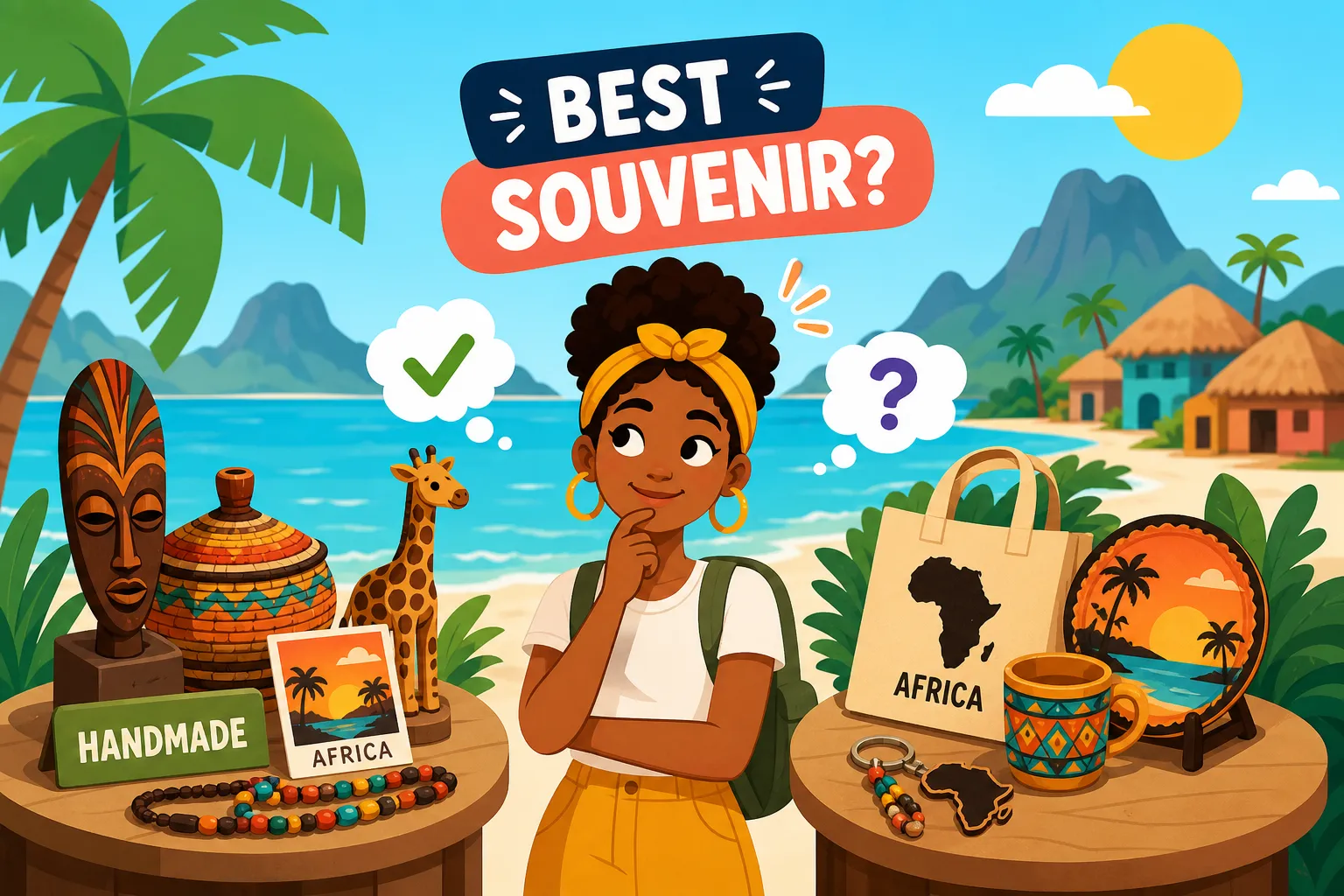 African Island Souvenir Comparison: Which Is Best?
Picture this: you're standing in a crowded market stall, surrounded by carved figurines, spice packets, printed...Read more
African Island Souvenir Comparison: Which Is Best?
Picture this: you're standing in a crowded market stall, surrounded by carved figurines, spice packets, printed...Read more -
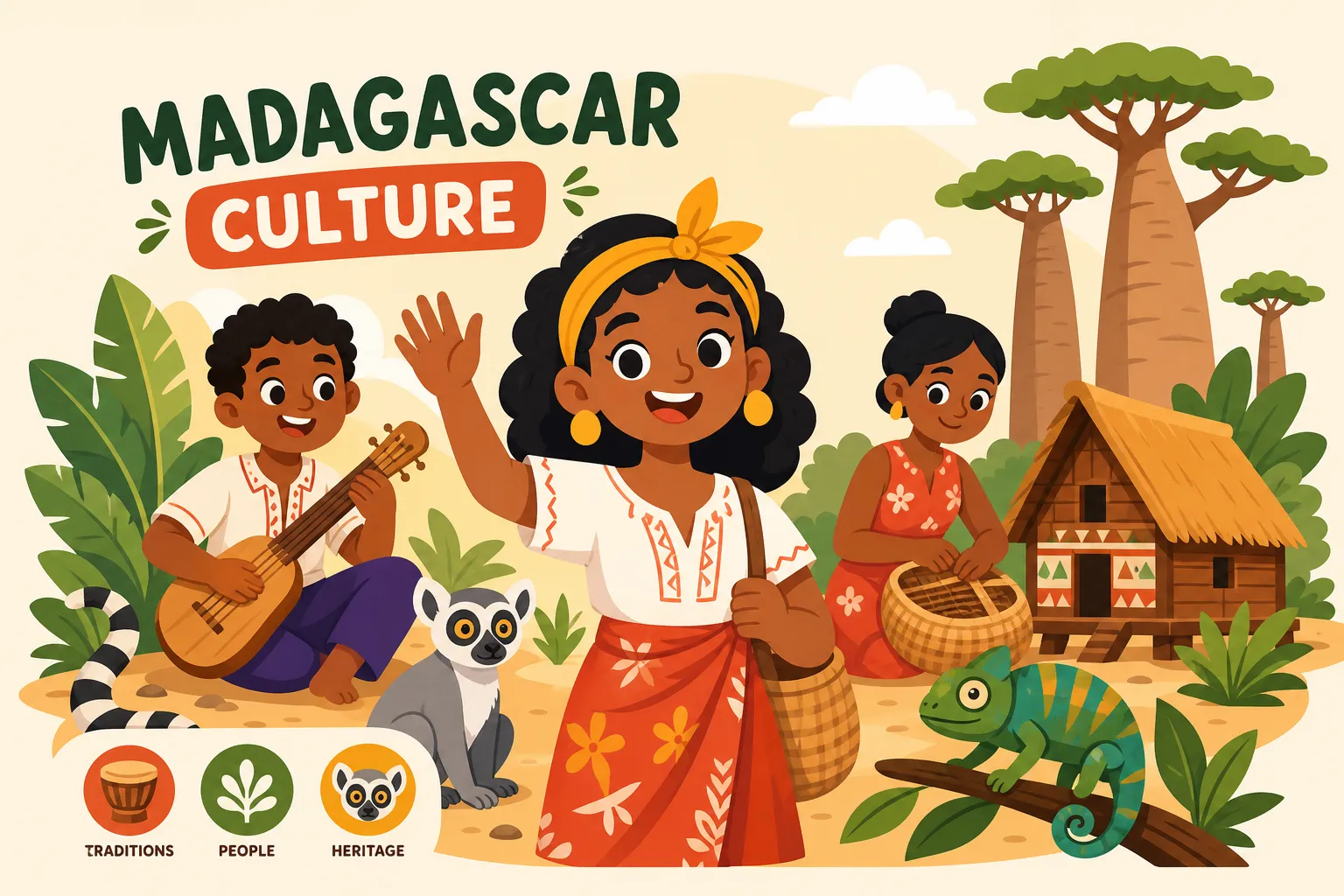 Madagascar Culture Explained for Beginners
Whether you're packing a bag for Antananarivo, writing a research paper, or trying to reconnect with roots you grew...Read more
Madagascar Culture Explained for Beginners
Whether you're packing a bag for Antananarivo, writing a research paper, or trying to reconnect with roots you grew...Read more -
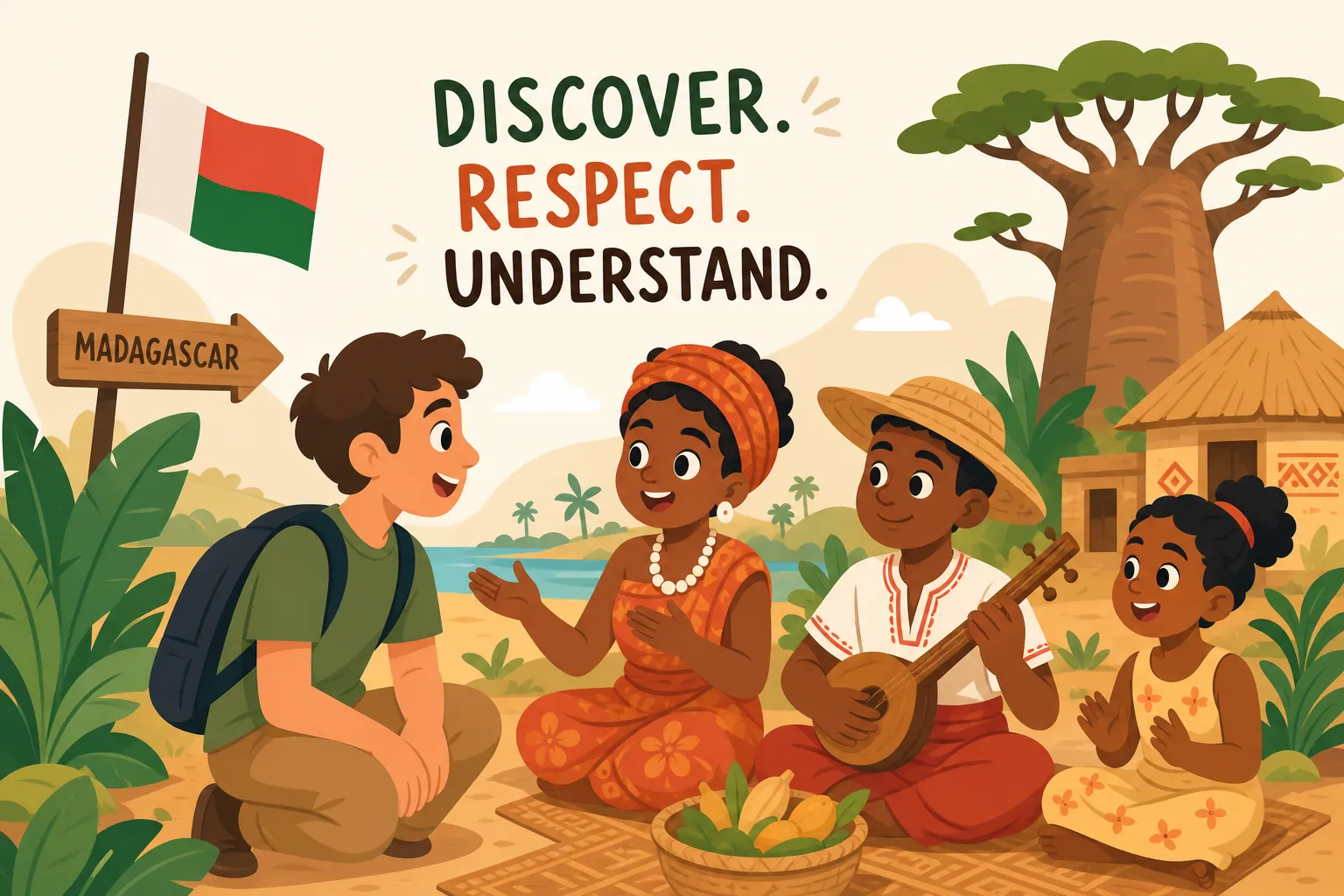 Understanding Madagascar Traditions as an Outsider
Madagascar traditions run deeper than most outsiders expect. Rather than a checklist of cultural facts you skim...Read more
Understanding Madagascar Traditions as an Outsider
Madagascar traditions run deeper than most outsiders expect. Rather than a checklist of cultural facts you skim...Read more -
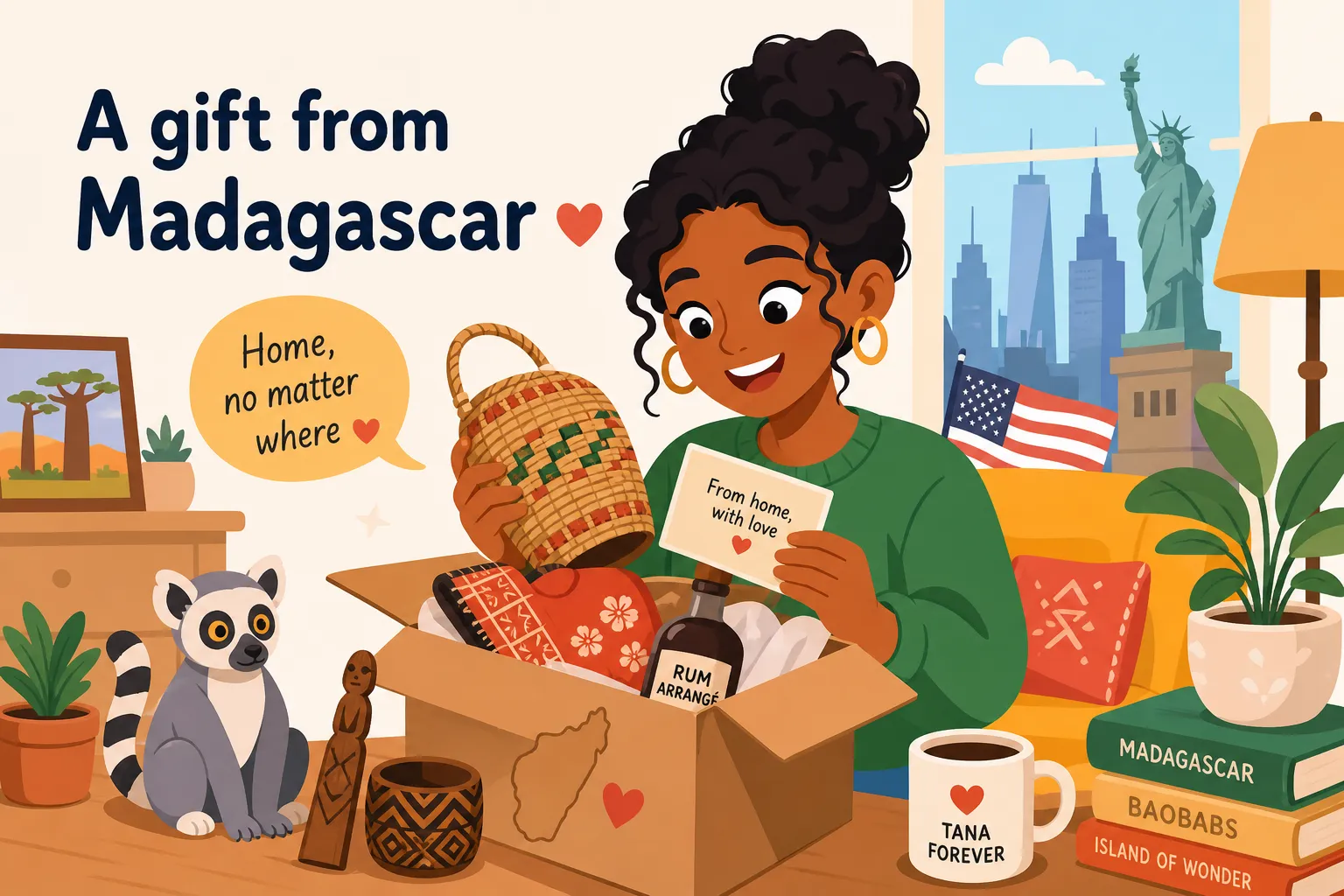 What to Gift a Malagasy Expat Living in the US ?
There's a specific kind of ache that comes with living far from the island you grew up on. It's not dramatic or...Read more
What to Gift a Malagasy Expat Living in the US ?
There's a specific kind of ache that comes with living far from the island you grew up on. It's not dramatic or...Read more
Leave a comment