 KissMada, your online Madagascar souvenir shop



Something has shifted in how people shop for cultural identity online, and it's not subtle. Cultural merchandise...
Latest posts
-
 Why Cultural Merchandise Online Is Booming in 2026Read more
 -
 Madagascar Mug, Notebook & Shirt: The Perfect Gift SetRead more
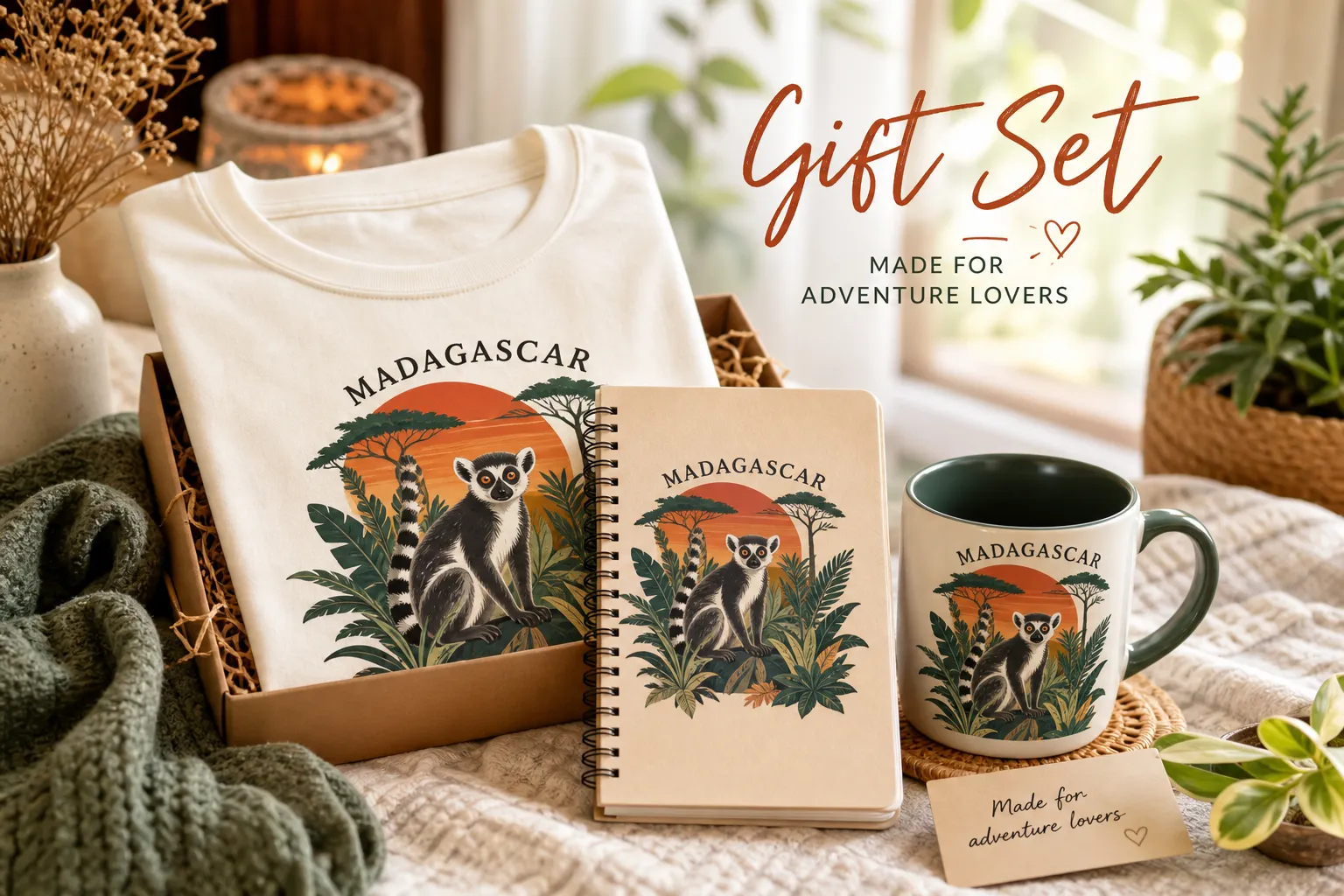
Most Madagascar gifts end up in a drawer. The fridge magnet loses its novelty by week two. The framed photo blends...
-
 Best Everyday Madagascar Gifts People Will Actually UseRead more
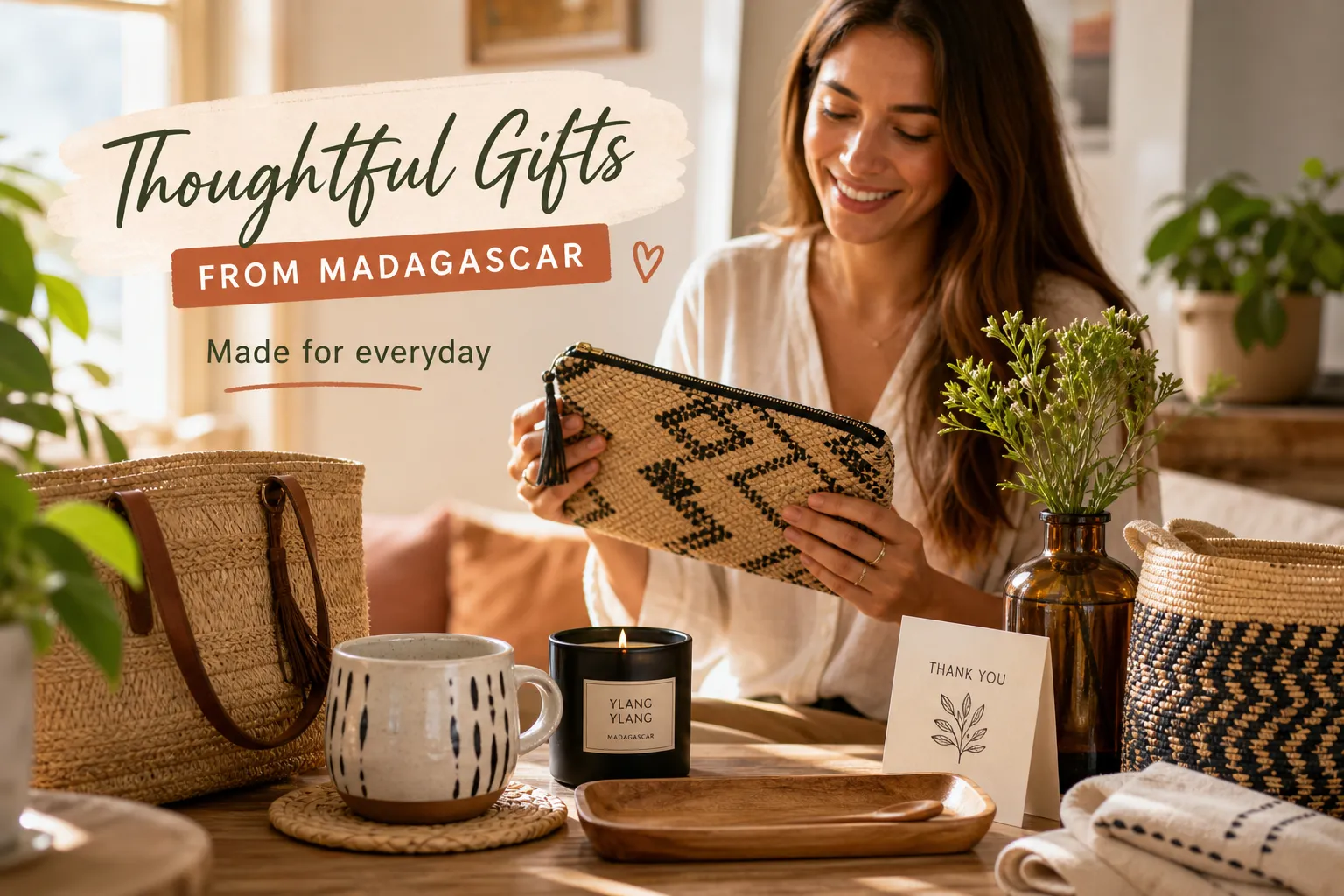
The carved zebu looks great on the shelf for about a week. Then it gets pushed to the back, buried behind a candle...
-
 How to Find the Best Homeland Gifts Online StoreRead more
If you're hunting for a homeland gifts online store that actually feels authentic, this guide will help you find one...
-
 Best Diaspora Online Souvenir Shops to Know in 2026Read more
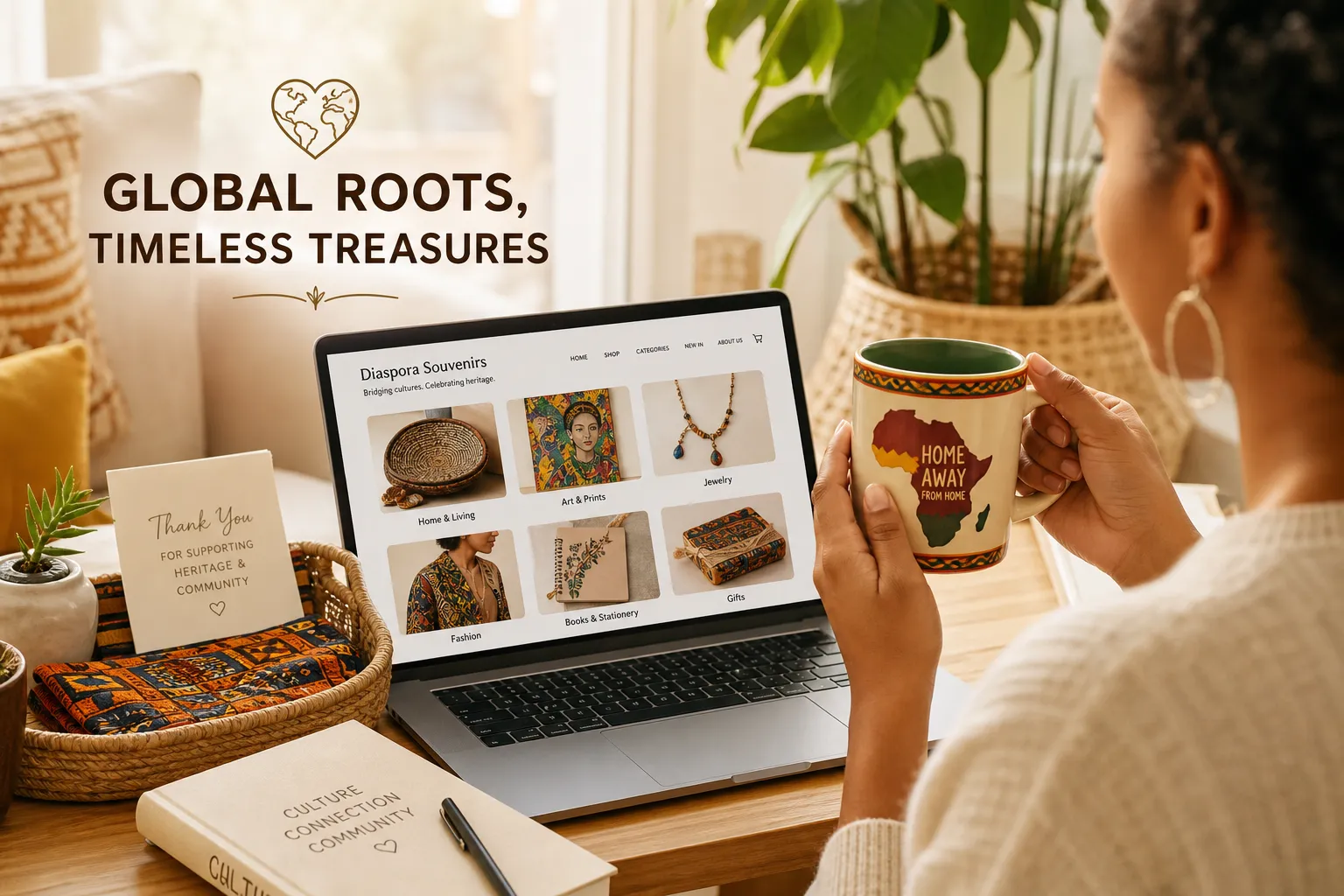
Most people searching for authentic homeland souvenirs online hit the same wall fast: generic platforms stuffed with...
-
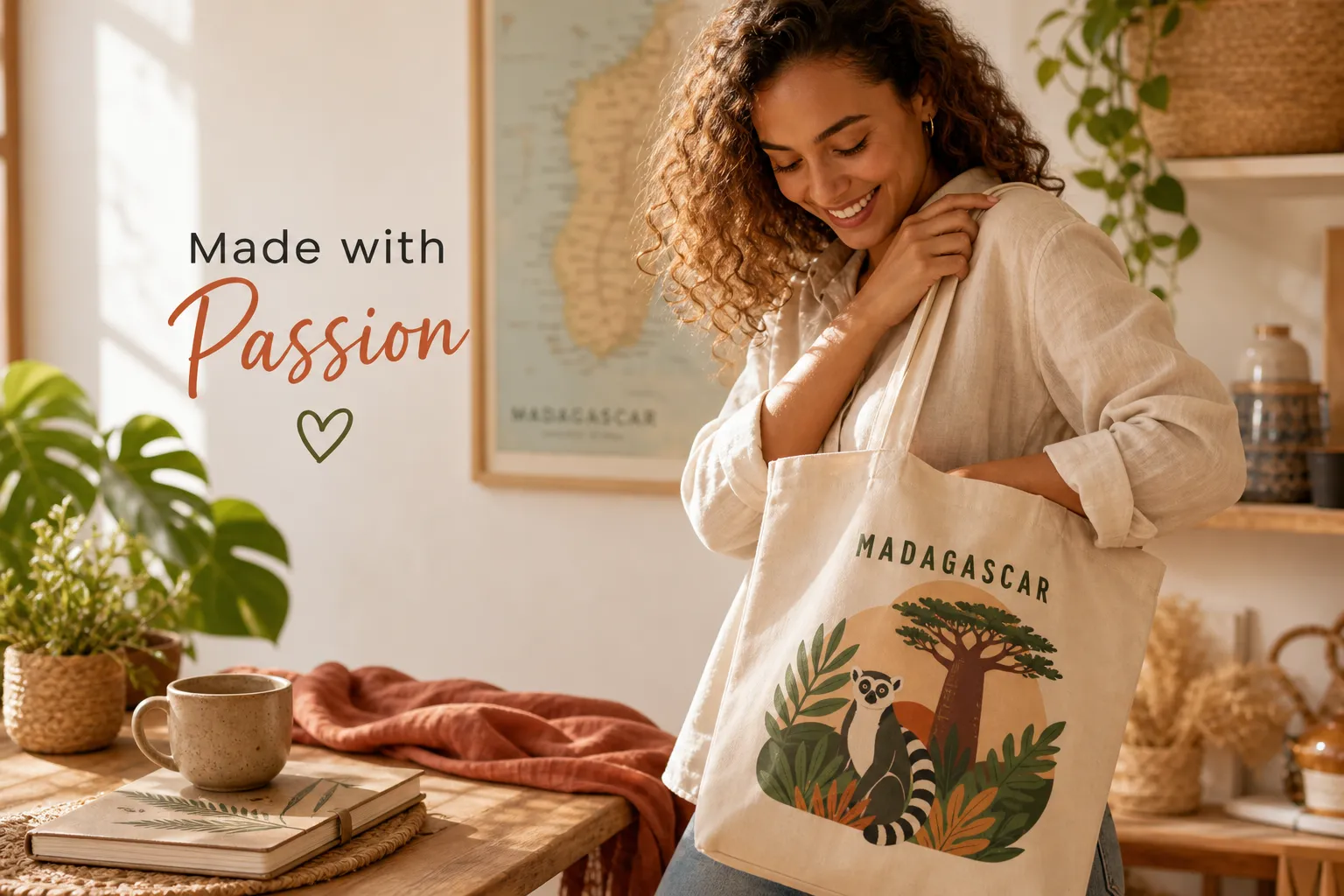 Madagascar Lifestyle Products: Wear Your Passion DailyRead more
A mug on your desk. A hoodie you reach for on a cold Tuesday morning. A tote bag that goes everywhere. These aren't...
-
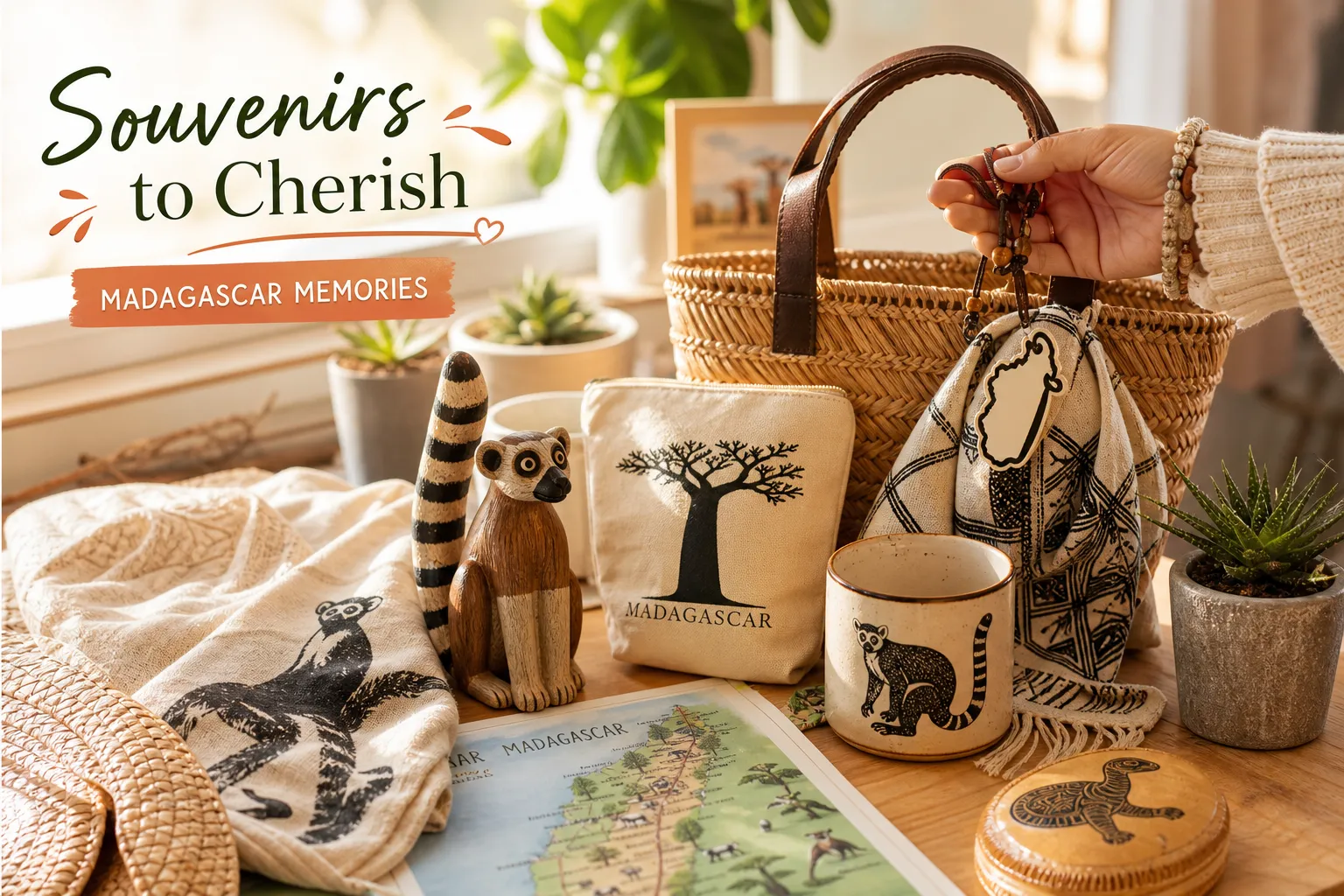 Best Souvenir Ideas After a Madagascar TripRead more
You're back. The humidity is gone, the lemurs are a memory, and you're standing in your living room holding a raffia...
-
 Madagascar Wildlife Apparel: A Guide for Nature LoversRead more
Many Madagascar animal shirts on the market share the same problem: generic stock art, forgettable prints, and no...
-
 15 Malagasy Culture Facts That Will Surprise YouRead more
Many Americans know Madagascar through the DreamWorks animated film of the same name. The real island is something...
-
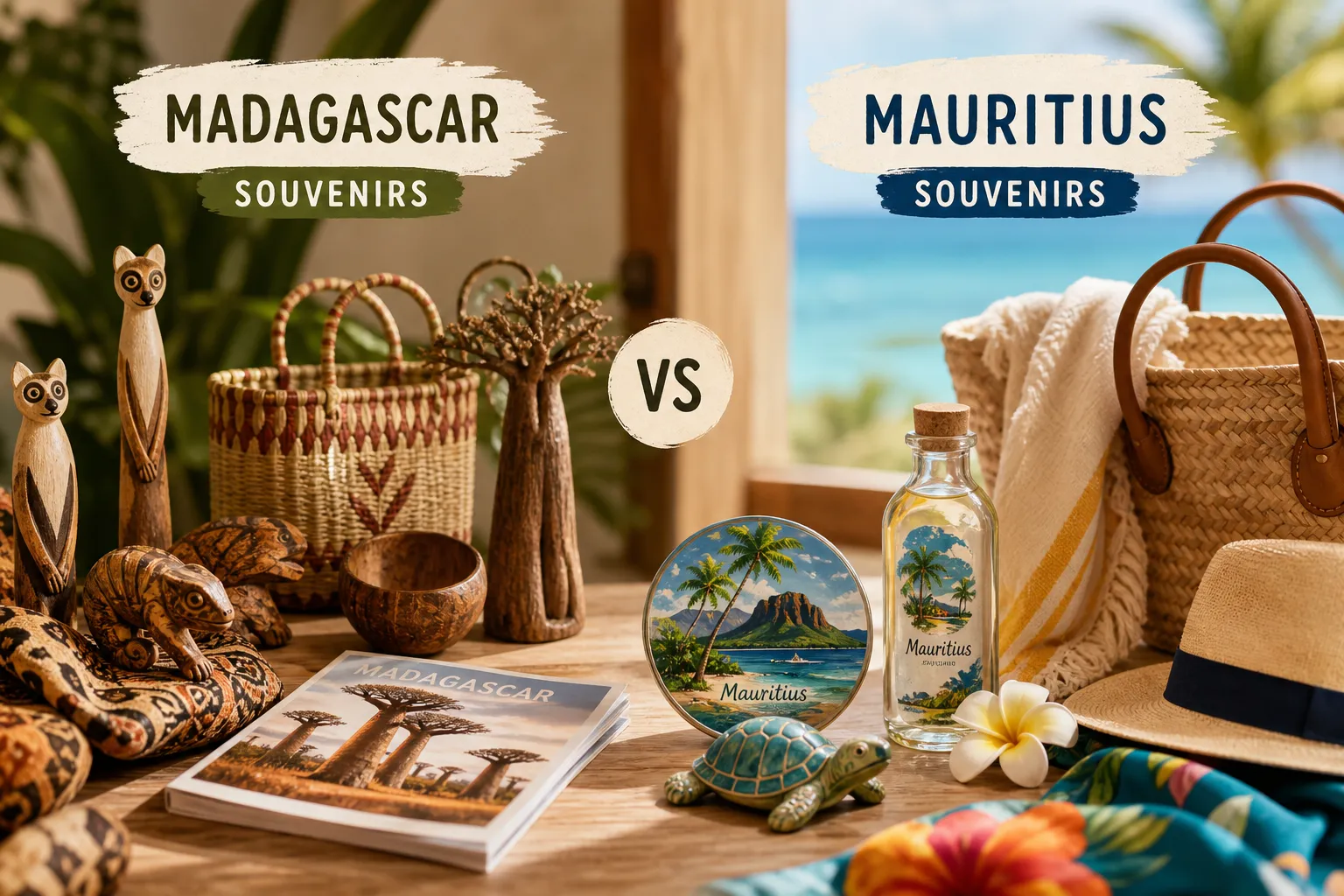 Madagascar vs Mauritius Souvenirs: Key DifferencesRead more
When comparing Madagascar vs Mauritius souvenirs, most travelers are surprised by how little overlap there actually...
Blog categories
Search in blog
Archived posts
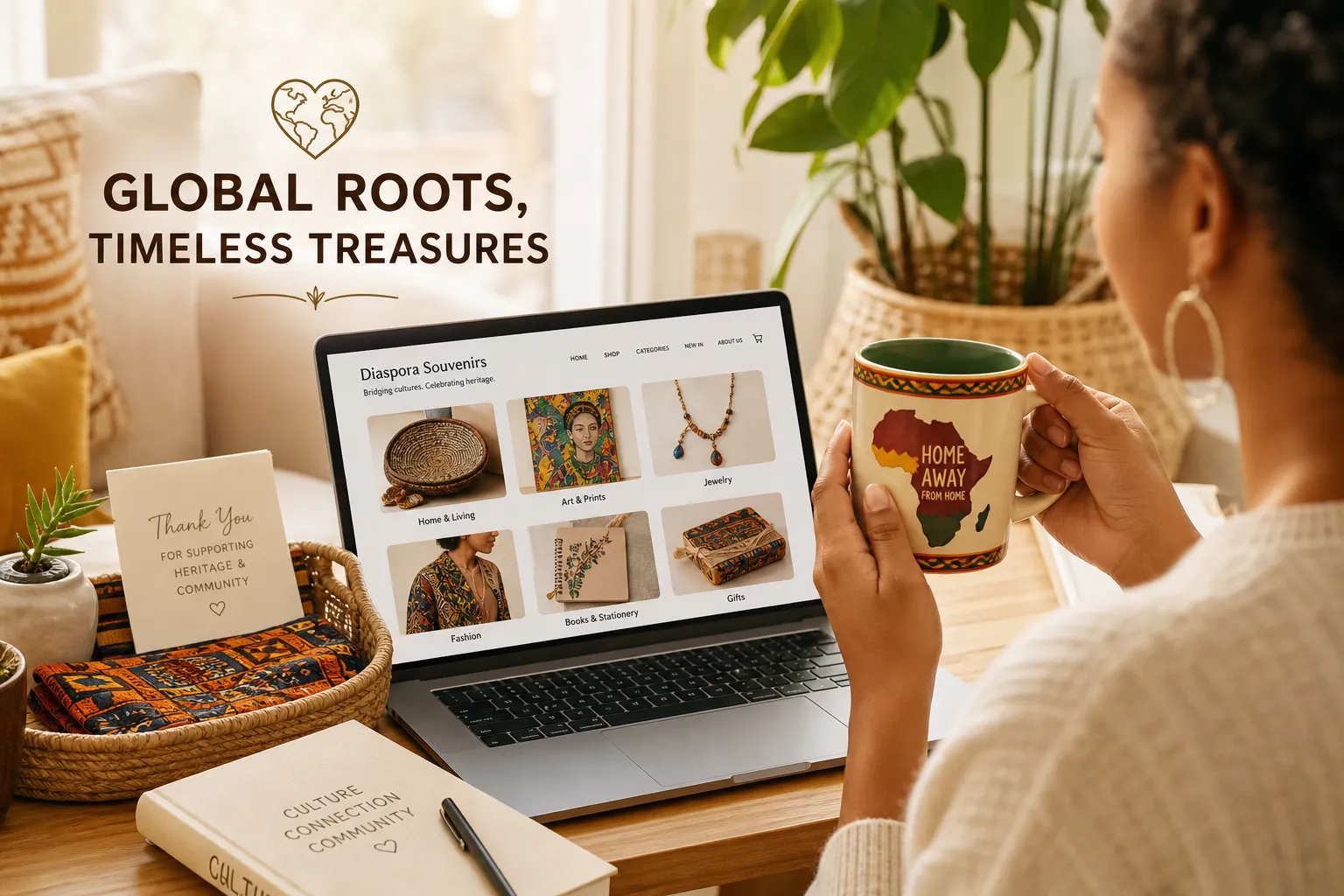
Best Diaspora Online Souvenir Shops to Know in 2026
Most people searching for authentic homeland souvenirs online hit the same wall fast: generic platforms stuffed with mass-produced trinkets, vague "tribal-inspired" labels slapped on factory goods, and no real connection to the culture being sold. For diaspora community members, that experience isn't just annoying; it's a failure at something that genuinely matters. You're not shopping for a novelty item. You're looking for something that represents a real place, a real heritage, and real people. Finding the right diaspora online souvenir shop, one that actually delivers on that promise, takes more than a quick search.
The online market for cultural gifts and heritage keepsakes has expanded significantly, but so has the noise. More shops claiming authenticity without any proof. More marketplaces aggregating inventory from anywhere, with no curatorial standards. This guide cuts through that. It lays out exactly what separates a real diaspora-focused shop from a tourist trap, and it spotlights specific options worth your time, including KissMada, which was built from the ground up for the Malagasy diaspora in the US.
What separates a real diaspora shop from a tourist trap
The word "authentic" has been stretched so thin it barely means anything anymore. Every shop selling generic island prints or vague "African-inspired" decor slaps it in the product description. Real diaspora-focused shops back that claim with specifics: where the design inspiration came from, what cultural references are embedded in the product, and who the intended buyer actually is. A shop that says it celebrates Malagasy culture but fills its catalog with generic tropical graphics is not the same as one built around actual Malagasy wildlife, landscapes, and humor. That distinction matters because you're not just buying an object, you're choosing what represents a heritage.
There's also a meaningful structural difference between a shop created for a specific diaspora community and a general marketplace that happens to carry some cultural items. Purpose-built shops have a clear point of view. They make real curatorial decisions. They know their audience well enough to get the details right. By contrast, generic marketplaces offer volume, not accuracy, broad inventory with no editorial filter. When evaluating any diaspora marketplace, ask one question: who built this, and for whom? The answer tells you almost everything you need to know before you ever look at the product page.
How to judge cultural accuracy before you buy
Cultural accuracy in merchandise isn't just about geography. It's about depth. A t-shirt with a lemur on it is a reference. A t-shirt that captures something specific and recognizable about Madagascar's biodiversity through a design choice grounded in local context, that's representation. Look for shops where the designers clearly have direct knowledge of or connection to the culture. That specificity usually shows up in the imagery chosen, the copy written, the symbols selected, and what gets left out. Generic souvenir shops default to the same five symbols for any given country. Shops built by people who actually know the culture make harder, more intentional choices.
Some diaspora shops go further by tying individual products to specific artisans or origin stories. Craft Afrika, for example, includes artisan profiles and origin stories on each product page, that's item-level proof, not just a marketing claim buried on an about page. When a shop shows you the maker behind the product, the region it came from, and why the design matters, that's a strong signal that cultural accuracy is embedded in the process. Shops that make these claims only at the brand level, with nothing on the actual listing, are offering positioning rather than proof. Treat that gap as a yellow flag.
How to pick a diaspora online souvenir shop: product quality signals
The most common complaint about souvenir apparel is predictable: looks great online, disappoints in person. A shop's production methods tell you a lot before you order. Premium printing techniques, DTG, DTF, embroidery, and sublimation, each produce different finishes and durability outcomes. A shop that lists its decoration methods is being transparent about what you're actually buying. Shops that don't disclose production methods are often using lower-quality processes they'd rather you not compare. Transparency here isn't a nice-to-have; it's a baseline quality signal.
Price is also a useful proxy when you know the market benchmarks. Diaspora souvenir products cluster into three practical tiers: impulse items in the $5 to $20 range, like patches, stickers, and basic accessories; core gift items from $20 to $60, covering apparel, jewelry, and small decor; and premium handcrafted pieces above $60, including larger textiles and artisan decor. If a shop's prices fall significantly below those benchmarks, that's not a deal, it's a flag for material shortcuts or production quality issues. The math on genuine handcrafted goods doesn't support rock-bottom pricing.
Shipping, customs, and trust indicators decoded
Shipping reality for US-based diaspora shoppers shifted considerably after August 2025. The broad duty-free treatment for low-value parcels was eliminated, and most merchandise shipments arriving in the US are now subject to customs duty regardless of the order total. On top of that, carrier disbursement fees add to the landed cost; UPS, for example, charges 2.5% of duties and taxes with a minimum fee of $17.50. For shoppers ordering from international shops, the true cost of a cultural gift is noticeably higher than the product price alone. Shops that ship from the US or manufacture domestically sidestep most of this friction, a practical advantage worth factoring into any purchase decision, not just a convenience detail.
On trust indicators, third-party review data for diaspora-focused shops varies widely. Diaspora Co. shows a 4.8 out of 5 on Thingtesting with a 98% recommendation rate, but only 3.3 out of 5 on Trustpilot, a gap that frequently signals customer service friction rather than product defects, based on how complaint-driven platforms like Trustpilot weight negative reviews. For smaller or newer shops, focus on three basics: a clear return or exchange policy, secure checkout with recognized payment processors, and real-time order tracking from fulfillment through delivery. These fundamentals separate shops that stand behind their products from those that disappear after the sale. Google reviews and Trustpilot scores are the most widely recognized third-party signals for niche online shops, but volume and recency matter as much as the rating itself.
KissMada: what a purpose-built Malagasy diaspora shop actually delivers
KissMada was built to bridge Madagascar's rich cultural identity and contemporary everyday life, and that focus runs through the entire product catalog. The shop doesn't traffic in generic island imagery or repurposed tropical graphics. Designs draw directly from Madagascar's landscapes, wildlife, humor, and cultural symbols, expressed through a modern graphic design approach that functions as wearable or usable merchandise rather than something you'll photograph once and put in a drawer. For Malagasy expats in the US, that distinction carries real weight. The products already speak the right language, because they were built by and for people who understand it.
The catalog spans t-shirts, hoodies, sweatshirts, dresses, yoga shorts, beanies, blankets, mugs, notebooks, slides, pet accessories, and seasonal items including Christmas stockings. Price points range from $8.95 for patches to $43 for larger home items, placing the full range squarely within the impulse-to-core-gift tier. Production uses DTG, DTF, embroidery, sublimation, and all-over print, and KissMada lists those methods openly, meeting the baseline quality standard outlined above. Real-time order tracking from preparation through shipping removes the uncertainty that plagues purchases from less accountable shops. For the Malagasy diaspora in the US, KissMada delivers the specificity and accountability that make it worth recommending over generic alternatives.
Other vetted diaspora shops worth bookmarking
For the broader African diaspora, The Diaspora Collective offers responsibly sourced products made by Black artisans, with free shipping on orders over $50. AfriMarket Group functions as a diaspora marketplace with multiple independent sellers under an African diaspora umbrella, giving it more variety but also less curatorial control than a single-brand shop. For Caribbean communities, Diaspora Now Gifts carries handmade items including baskets, pottery, and prints. Boricua Gift Shop focuses specifically on Puerto Rican handcrafted goods and positions every product as artisan-made, though item-level artisan stories aren't always present in the listing copy itself.
For Middle Eastern heritage gifts, BuyLebanese.com is a logistics-reliable option in this space, shipping to more than 130 countries with a solid catalog of Lebanese crafts, accessories, and embroidery. For South Asian heritage items, Diaspora Co. has built a strong reputation for partner-farm-sourced spice bundles and pantry staples, though its focus is food-first rather than apparel or decor. MapVibe Studio fills a niche with custom map-print gifts for expats and diaspora members, shipping to the US and Canada. For diaspora members from those regions, these shops provide a stronger starting point than anything a general marketplace delivers, though none matches the single-community depth of a purpose-built option like KissMada.
What to take away from all of this
In 2026, the diaspora online souvenir shop landscape has more options than it did even two years ago, but the gap between shops genuinely built for a community and shops simply selling to one remains wide. Closing that gap comes down to three filters applied in sequence: Does the shop actually understand the culture it represents, or is it just referencing it? Can it prove its product quality through transparent production methods and honest pricing? Does it handle shipping and trust signals with enough professionalism to protect your purchase after checkout? Run any shop you find through those questions before you commit.
For the Malagasy diaspora in the US, KissMada answers all three clearly. The designs are grounded in real cultural specificity, the production methods are disclosed, the price range is accessible, and the shipping experience is built for US buyers. For other diaspora communities, the shops listed here are a strong, vetted starting point. Your heritage deserves more than mass-produced imitations dressed up with cultural language, and the right shops are out there to deliver exactly that.
Posted in:
Madagascar
Related posts
-
 Madagascar Gifts: What to Buy and Where to Find Them
You're searching for Madagascar gifts and the options feel all over the place. On one end, you've got DreamWorks...Read more
Madagascar Gifts: What to Buy and Where to Find Them
You're searching for Madagascar gifts and the options feel all over the place. On one end, you've got DreamWorks...Read more -
 African Island Souvenir Comparison: Which Is Best?
Picture this: you're standing in a crowded market stall, surrounded by carved figurines, spice packets, printed...Read more
African Island Souvenir Comparison: Which Is Best?
Picture this: you're standing in a crowded market stall, surrounded by carved figurines, spice packets, printed...Read more -
 Madagascar Culture Explained for Beginners
Whether you're packing a bag for Antananarivo, writing a research paper, or trying to reconnect with roots you grew...Read more
Madagascar Culture Explained for Beginners
Whether you're packing a bag for Antananarivo, writing a research paper, or trying to reconnect with roots you grew...Read more -
 Understanding Madagascar Traditions as an Outsider
Madagascar traditions run deeper than most outsiders expect. Rather than a checklist of cultural facts you skim...Read more
Understanding Madagascar Traditions as an Outsider
Madagascar traditions run deeper than most outsiders expect. Rather than a checklist of cultural facts you skim...Read more -
 What to Gift a Malagasy Expat Living in the US ?
There's a specific kind of ache that comes with living far from the island you grew up on. It's not dramatic or...Read more
What to Gift a Malagasy Expat Living in the US ?
There's a specific kind of ache that comes with living far from the island you grew up on. It's not dramatic or...Read more
Leave a comment