 KissMada, your online Madagascar souvenir shop



Something has shifted in how people shop for cultural identity online, and it's not subtle. Cultural merchandise...
Latest posts
-
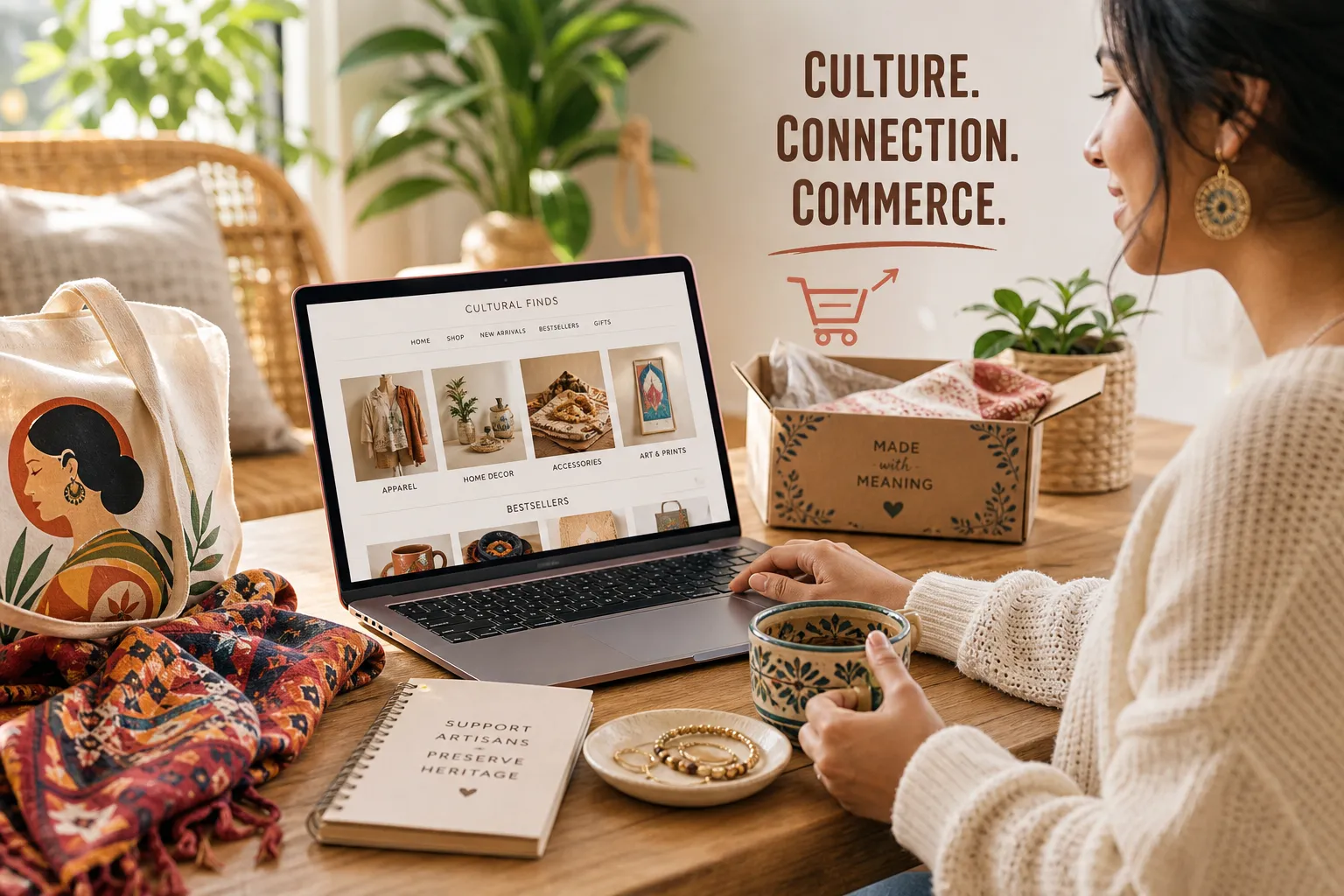 Why Cultural Merchandise Online Is Booming in 2026Read more
 -
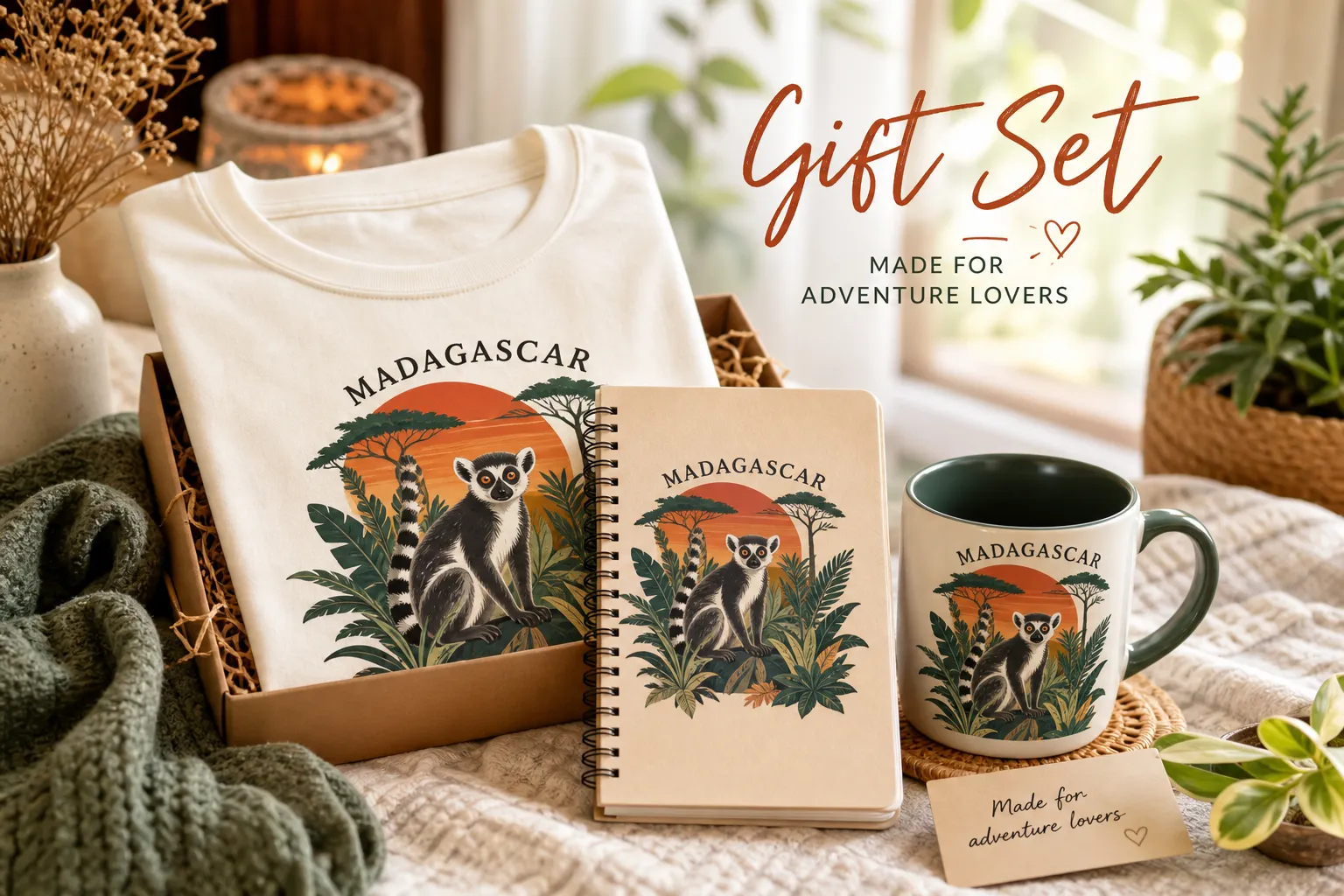 Madagascar Mug, Notebook & Shirt: The Perfect Gift SetRead more
Most Madagascar gifts end up in a drawer. The fridge magnet loses its novelty by week two. The framed photo blends...
-
 Best Everyday Madagascar Gifts People Will Actually UseRead more
The carved zebu looks great on the shelf for about a week. Then it gets pushed to the back, buried behind a candle...
-
 How to Find the Best Homeland Gifts Online StoreRead more
If you're hunting for a homeland gifts online store that actually feels authentic, this guide will help you find one...
-
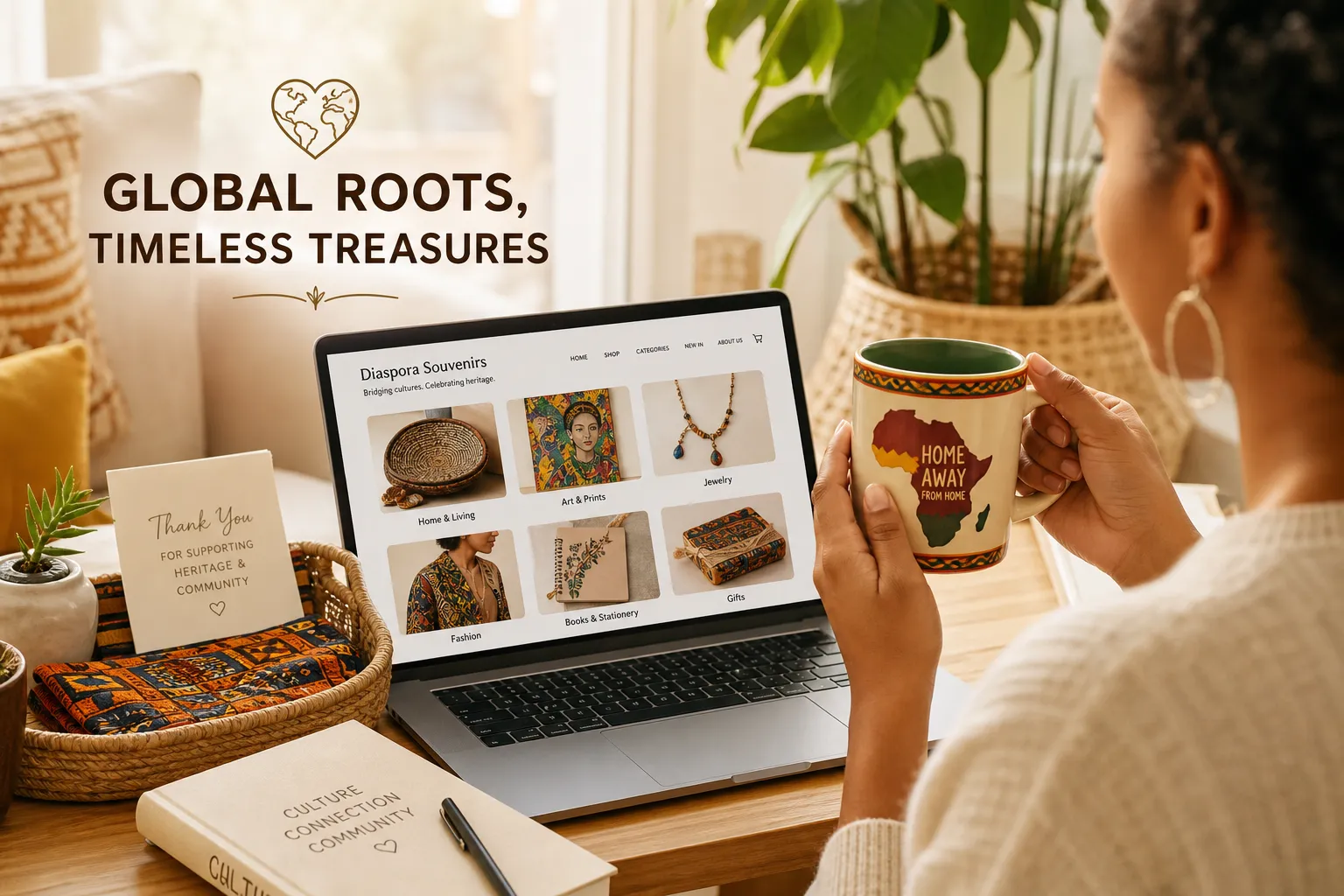 Best Diaspora Online Souvenir Shops to Know in 2026Read more
Most people searching for authentic homeland souvenirs online hit the same wall fast: generic platforms stuffed with...
-
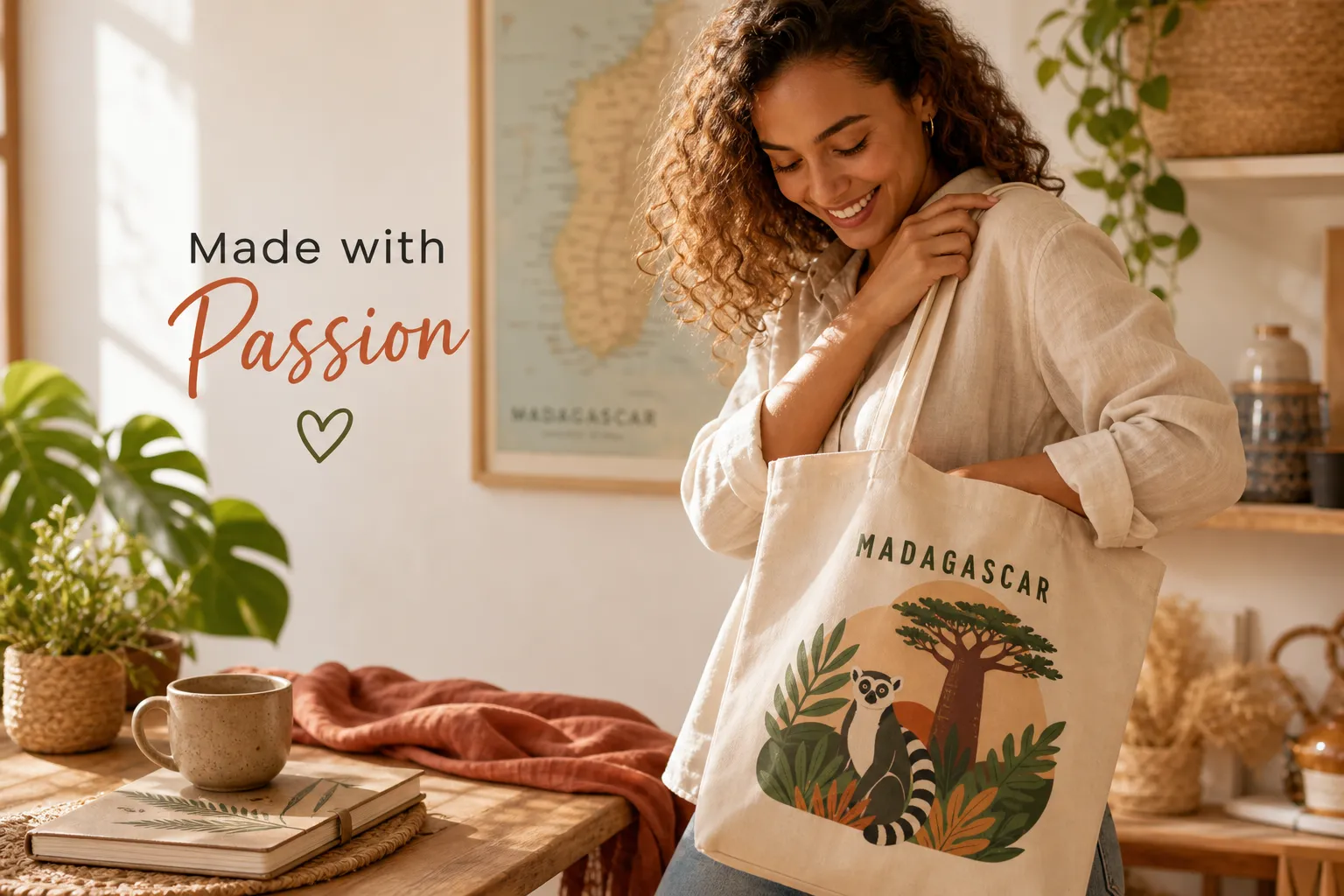 Madagascar Lifestyle Products: Wear Your Passion DailyRead more
A mug on your desk. A hoodie you reach for on a cold Tuesday morning. A tote bag that goes everywhere. These aren't...
-
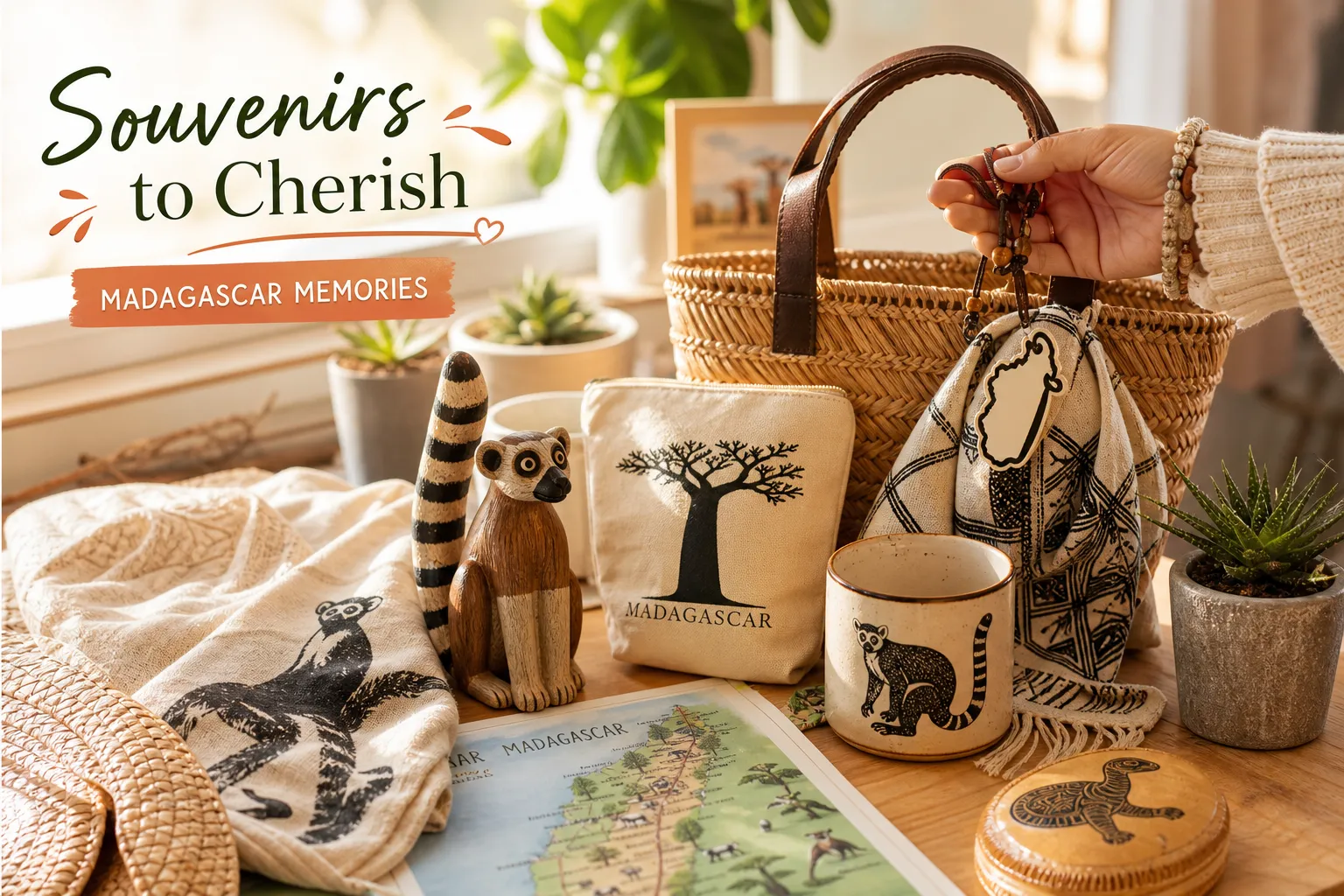 Best Souvenir Ideas After a Madagascar TripRead more
You're back. The humidity is gone, the lemurs are a memory, and you're standing in your living room holding a raffia...
-
 Madagascar Wildlife Apparel: A Guide for Nature LoversRead more
Many Madagascar animal shirts on the market share the same problem: generic stock art, forgettable prints, and no...
-
 15 Malagasy Culture Facts That Will Surprise YouRead more
Many Americans know Madagascar through the DreamWorks animated film of the same name. The real island is something...
-
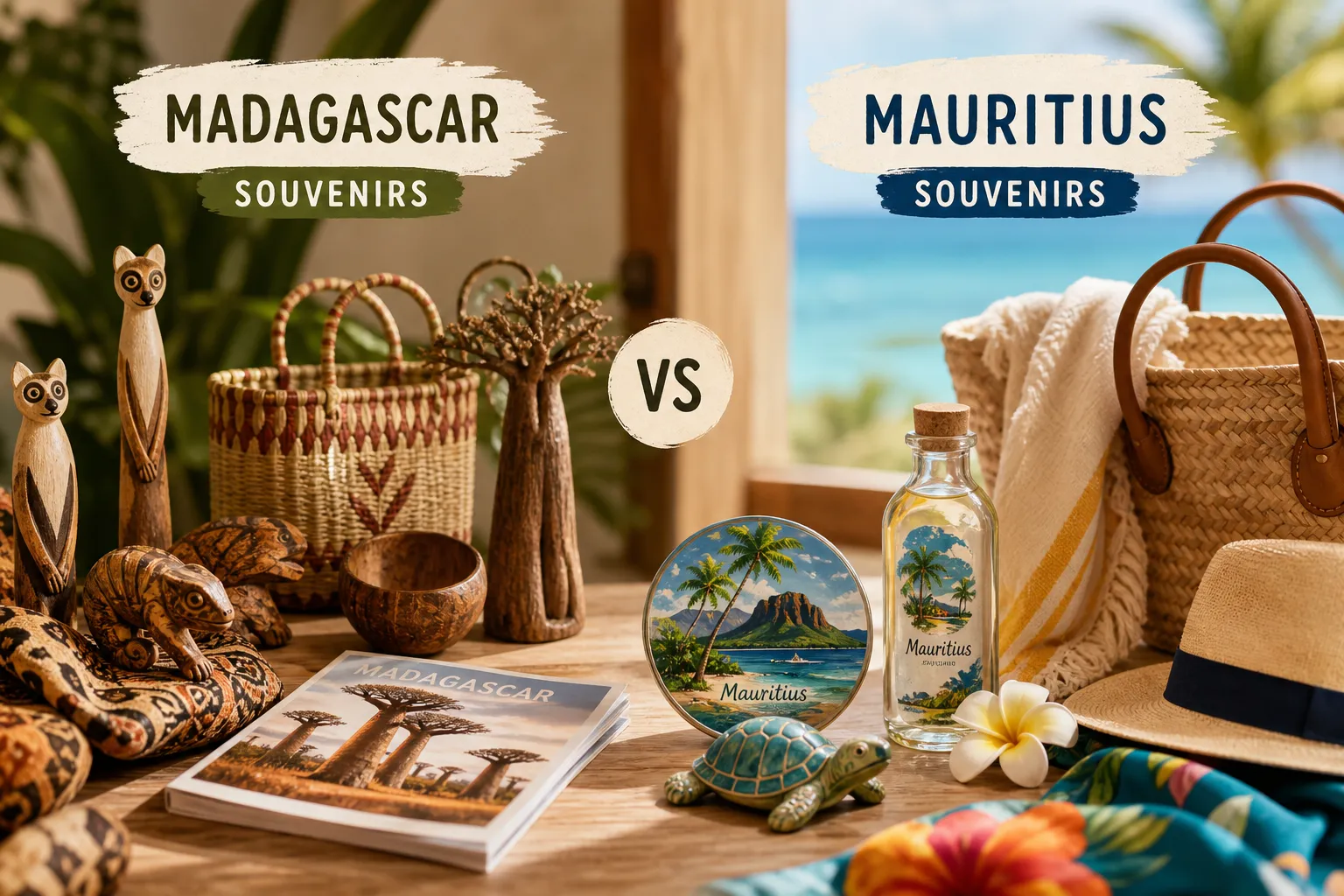 Madagascar vs Mauritius Souvenirs: Key DifferencesRead more
When comparing Madagascar vs Mauritius souvenirs, most travelers are surprised by how little overlap there actually...
Blog categories
Search in blog
Archived posts
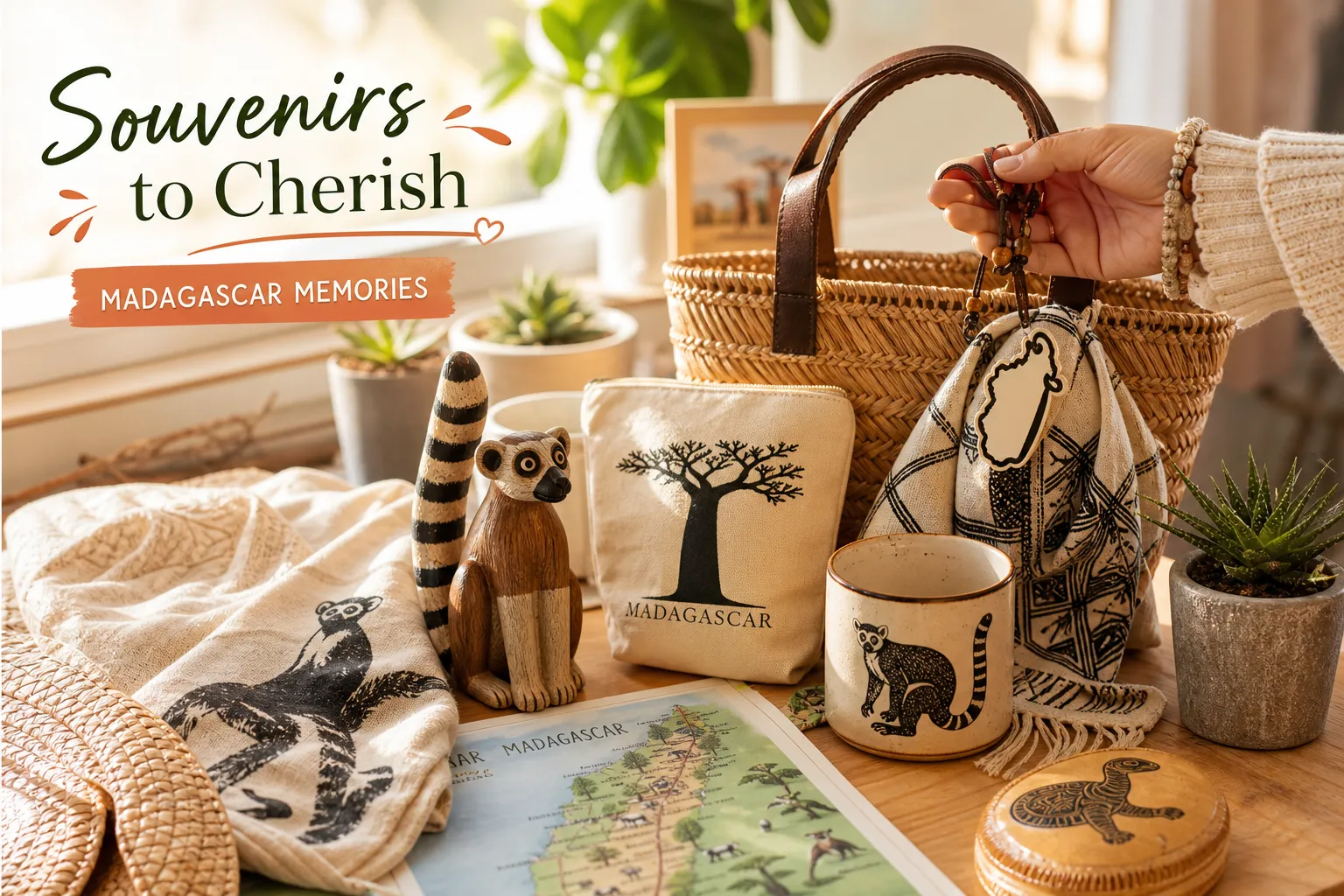
Best Souvenir Ideas After a Madagascar Trip
You're back. The humidity is gone, the lemurs are a memory, and you're standing in your living room holding a raffia basket and a half-broken vanilla pod, wondering if you bought the right things. Most Madagascar travelers face some version of this moment. The island offers an overwhelming range of crafts, spices, and textiles, but knowing which souvenir ideas after a Madagascar trip are actually worth pursuing, what survives the journey home, and what you can still find once you're back in the US is a different skill set altogether.
This guide covers the full picture: the Malagasy crafts worth every ariary, how to judge whether what you bought is authentic, what US customs will and won't let through, and where the gaps in your souvenir haul can be filled online. If you didn't know about KissMada before you left, that's fine. You do now, and that changes your options considerably.
What makes a Madagascar souvenir worth keeping, or gifting
Not every beautiful object you buy in Madagascar deserves a place in your home or on your gift list. The test is simple: will this object communicate something true about Madagascar to someone who has never been there, and will it survive daily contact with real life? A hand-woven raffia bag passes both. A carved figurine that chips in your suitcase and needs a dedicated shelf might not.
Souvenirs split into two clear categories. Keepers are things you want to live with, textiles, functional items, and quality spices. Gifters are things you want to share with people who didn't make the trip. The problem is that most travelers buy with their own eyes and forget that a recipient in suburban Ohio doesn't have the context to appreciate a Zafimaniry woodcarving without a five-minute explanation. The best gifting souvenirs carry their own story visually, without needing an interpreter.
This distinction changes how you shop. If you're buying for yourself, durability and usability are the filters. If you're buying for someone else, ask whether the object communicates Madagascar without you in the room. An item that requires your backstory to be meaningful is a less reliable gift than one that speaks for itself.
Top souvenir ideas after a Madagascar trip: Malagasy crafts worth packing
Raffia goods, Antaimoro paper, and lamba textiles form the backbone of Malagasy handicraft tradition and rank among the most portable, practical things you can buy on the island. Raffia baskets and bags typically run $10 to $30 at local markets, more at fair-trade shops. Antaimoro paper, made by hand with pressed flowers embedded in the sheet, is light, flat, and nearly impossible to damage in transit; notebooks and cards run $1 to $15 depending on size and finish. A lamba textile is a genuine piece of Malagasy cultural identity, useful as a wrap, a wall piece, or a conversation starter that earns its place every time someone asks about it.
Madagascar produces around 80% of the world's vanilla, and buying it locally is still one of the better deals a traveler can find. A small pack of cured pods runs $5 to $15 locally; gourmet-grade per 100g can reach $50 or more. Cloves, cinnamon, and pepper round out a spice haul that travels well and gets used. Local essential oils, particularly ylang-ylang and ravintsara, are small, dense with scent, and easy to pack without eating into meaningful luggage space.
Zafimaniry geometric carving is UNESCO-recognized for good reason. Small figurines start around $5 to $20; detailed medium pieces range from $20 to $60. The craftsmanship is real and distinctive, but this category requires the most care regarding customs compliance. Buy from named workshops when possible rather than anonymous market stalls, and confirm the wood species before you pack anything.
If you're looking for what to buy in Madagascar beyond the obvious, baobab jewelry is worth seeking out, lightweight, visually distinctive, and easy to explain to anyone back home.
How to tell whether what you bought is authentic
Handmade items show irregularities: uneven weave tension, slight color variation, visible tool marks. Mass-produced crafts sold as local often look suspiciously uniform. A useful visual test on textiles is to check the reverse side. Authentic handwoven fabric has a structured back, not the smooth machine finish of an import dressed up as a local piece. If what you bought looks too consistent, you may have paid tourist price for a factory item.
A reliable artisan seller should be able to name the community or workshop the item came from, explain the material and technique, and justify the price. Fair-trade cues include cooperative sourcing labels, named producer partnerships, and sellers who discuss artisan compensation without being pushed. The best markets for this in Antananarivo are Marché artisanal de la Digue and Andravoahangy, both of which have a higher concentration of sellers connected to actual makers. Analakely is worth visiting for the atmosphere, but treat it as a market experience rather than a guarantee of authenticity.
The absence of provenance information isn't automatically a dealbreaker, especially at larger general markets. But if a seller can't tell you anything about the maker or the material, the "handmade in Madagascar" claim carries less weight than the asking price assumes. Price is also a signal: genuine handcrafted items reflect real labor costs, and unusually low prices on supposedly hand-finished goods often mean someone in the supply chain is being underpaid, or the item isn't what it's advertised to be.
What US customs lets you bring home from Madagascar
Spices and vanilla
US Customs and Border Protection requires you to declare all agricultural and wildlife products at entry, no exceptions. Spices and cured vanilla pods are generally admissible when properly declared, but they still go through inspection. Commercially packaged, clearly dried and cured goods clear faster than loose items that look like fresh plant material.
Wood carvings and CITES restrictions
The category that creates the most problems for souvenir buyers is carved wood. Madagascar rosewood and ebony species, specifically Dalbergia and Diospyros, are listed under CITES Appendix II, which means they require documentation to enter the US legally. Rosewood (often sold as palissandre) has been heavily restricted due to illegal logging concerns. If you bought a carving and aren't certain about the wood species, this is worth researching before your next trip rather than after a customs inspection goes badly.
The Lacey Act adds another layer: an item may be admissible as a product category but still unlawful if it was harvested or exported illegally from Madagascar. The practical implication is that buying from named workshops with documented sourcing gives you a cleaner paper trail and a smoother customs experience than buying from anonymous stalls where no one can identify the wood or its origin.
Prohibited plant material and wildlife products
Live plants, seeds, untreated wood, and fresh fruit are restricted or prohibited without permits and phytosanitary certificates. Items made from zebu horn, shell, or coral may also trigger wildlife inspection depending on the species involved. When in doubt, declare everything and let the inspector decide.
The gap between market souvenirs and Madagascar souvenir ideas that fit your life back home
Malagasy crafts are authentic and often beautiful. They also come with real limitations once you're back in the US. Fragile items break in transit. Culturally specific objects need context that most gift recipients won't have. And the category of wearable, everyday lifestyle items, a well-designed t-shirt, a quality hoodie, a mug you reach for every morning, doesn't exist in most Malagasy markets at a level that holds up to daily American use.
One option built specifically for this gap is KissMada. An online Madagascar-themed merchandise shop designed for US customers, KissMada offers apparel, mugs, notebooks, blankets, and accessories built around genuine Malagasy cultural identity: baobabs, lemurs, island landscapes, and Malagasy humor, all rendered through contemporary graphic design and printed using DTG, embroidery, and sublimation techniques that hold up wash after wash. Prices run from under $10 for smaller accessories to $43 for home goods. You can order post-trip, gift it to someone who missed the journey, or wear it on a Tuesday in February when the island feels very far away.
A well-made Madagascar graphic tee communicates everything a carved figurine tries to say, and it actually gets worn. For expats, diaspora members, and wildlife enthusiasts, anyone who left a piece of themselves on the island, this category earns its place through daily use, not novelty. It also solves the gifting problem cleanly: a KissMada hoodie with a lemur print tells the Madagascar story without requiring you to narrate it.
How to build your souvenir strategy after a Madagascar trip
The best souvenir approach after a Madagascar trip isn't a single list of objects. It's a framework for thinking about what you want to live with and what will mean something to the people you're giving it to. Malagasy crafts, when bought from authentic, ethical sellers, are among the most distinctive in the world. Vanilla, raffia, Antaimoro paper, and quality lamba textiles deserve space in your bag. Know your customs rules, confirm what you're buying, and accept that some categories the island simply can't supply in a form that travels well to American daily life.
The souvenir strategy that works covers both the island market and the online shop. Bring home the spices, the handwoven bag, the Antaimoro notebook, those are irreplaceable Madagascar souvenir ideas you can only collect on the ground. Then visit KissMada and fill in the wearable, everyday layer that local markets don't reliably provide. Authentic cultural connection and objects that hold up to real life aren't mutually exclusive. If you're thinking through souvenir ideas after a Madagascar trip, you don't have to choose, now you know exactly how to build both.
Related posts
-
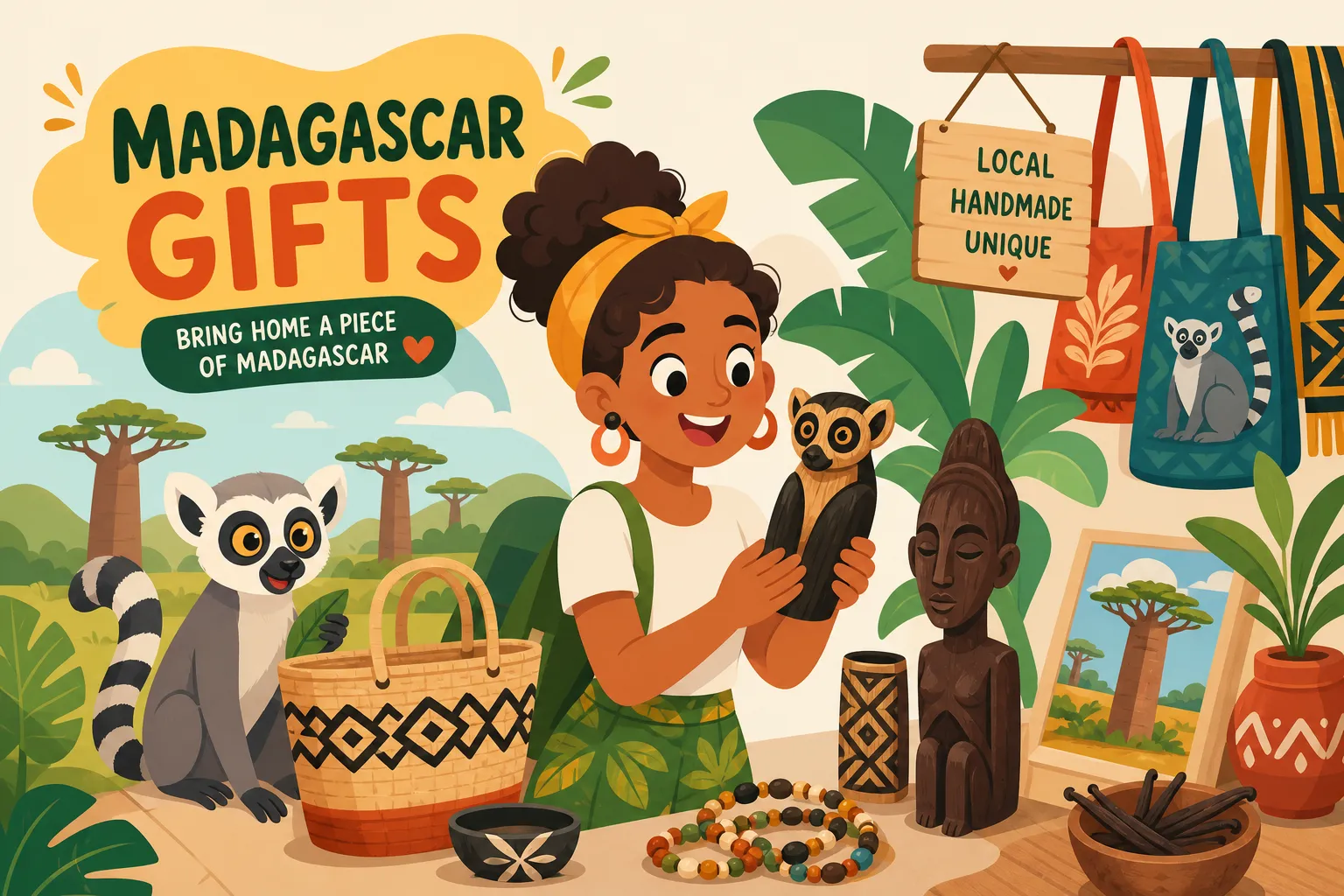 Madagascar Gifts: What to Buy and Where to Find Them
You're searching for Madagascar gifts and the options feel all over the place. On one end, you've got DreamWorks...Read more
Madagascar Gifts: What to Buy and Where to Find Them
You're searching for Madagascar gifts and the options feel all over the place. On one end, you've got DreamWorks...Read more -
 African Island Souvenir Comparison: Which Is Best?
Picture this: you're standing in a crowded market stall, surrounded by carved figurines, spice packets, printed...Read more
African Island Souvenir Comparison: Which Is Best?
Picture this: you're standing in a crowded market stall, surrounded by carved figurines, spice packets, printed...Read more -
 Madagascar Culture Explained for Beginners
Whether you're packing a bag for Antananarivo, writing a research paper, or trying to reconnect with roots you grew...Read more
Madagascar Culture Explained for Beginners
Whether you're packing a bag for Antananarivo, writing a research paper, or trying to reconnect with roots you grew...Read more -
 Understanding Madagascar Traditions as an Outsider
Madagascar traditions run deeper than most outsiders expect. Rather than a checklist of cultural facts you skim...Read more
Understanding Madagascar Traditions as an Outsider
Madagascar traditions run deeper than most outsiders expect. Rather than a checklist of cultural facts you skim...Read more -
 What to Gift a Malagasy Expat Living in the US ?
There's a specific kind of ache that comes with living far from the island you grew up on. It's not dramatic or...Read more
What to Gift a Malagasy Expat Living in the US ?
There's a specific kind of ache that comes with living far from the island you grew up on. It's not dramatic or...Read more
Leave a comment