 KissMada, your online Madagascar souvenir shop



Something has shifted in how people shop for cultural identity online, and it's not subtle. Cultural merchandise...
Latest posts
-
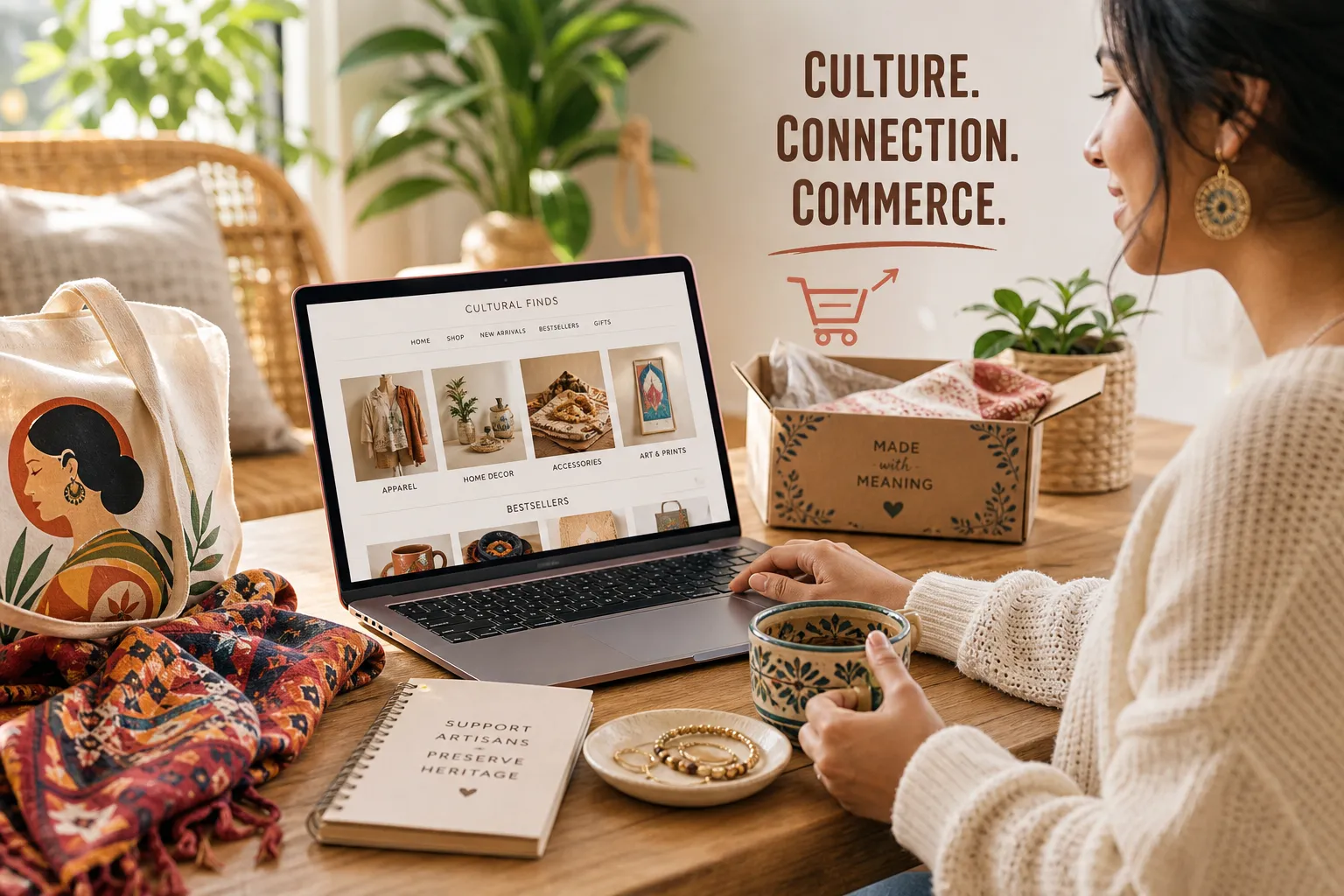 Why Cultural Merchandise Online Is Booming in 2026Read more
 -
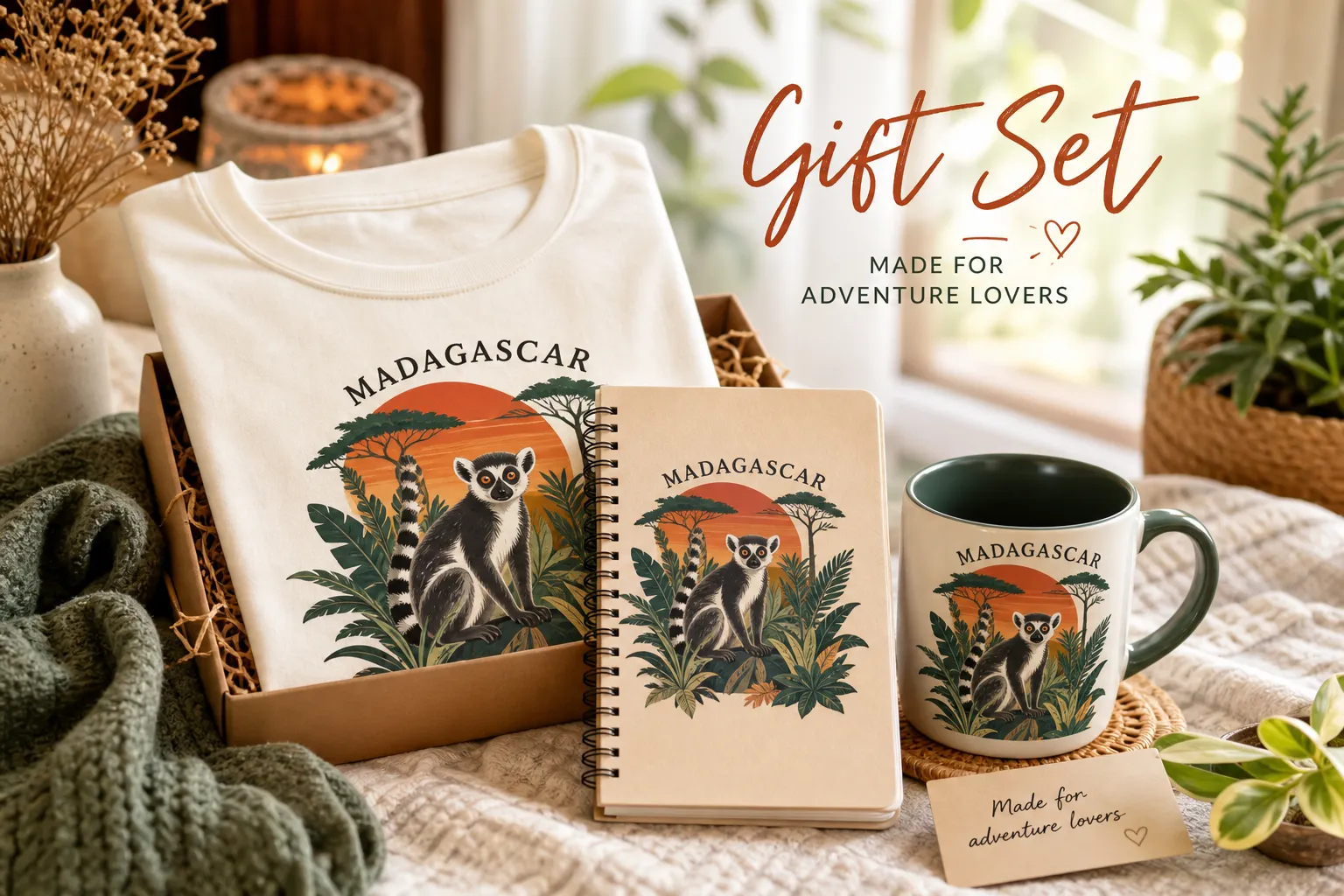 Madagascar Mug, Notebook & Shirt: The Perfect Gift SetRead more
Most Madagascar gifts end up in a drawer. The fridge magnet loses its novelty by week two. The framed photo blends...
-
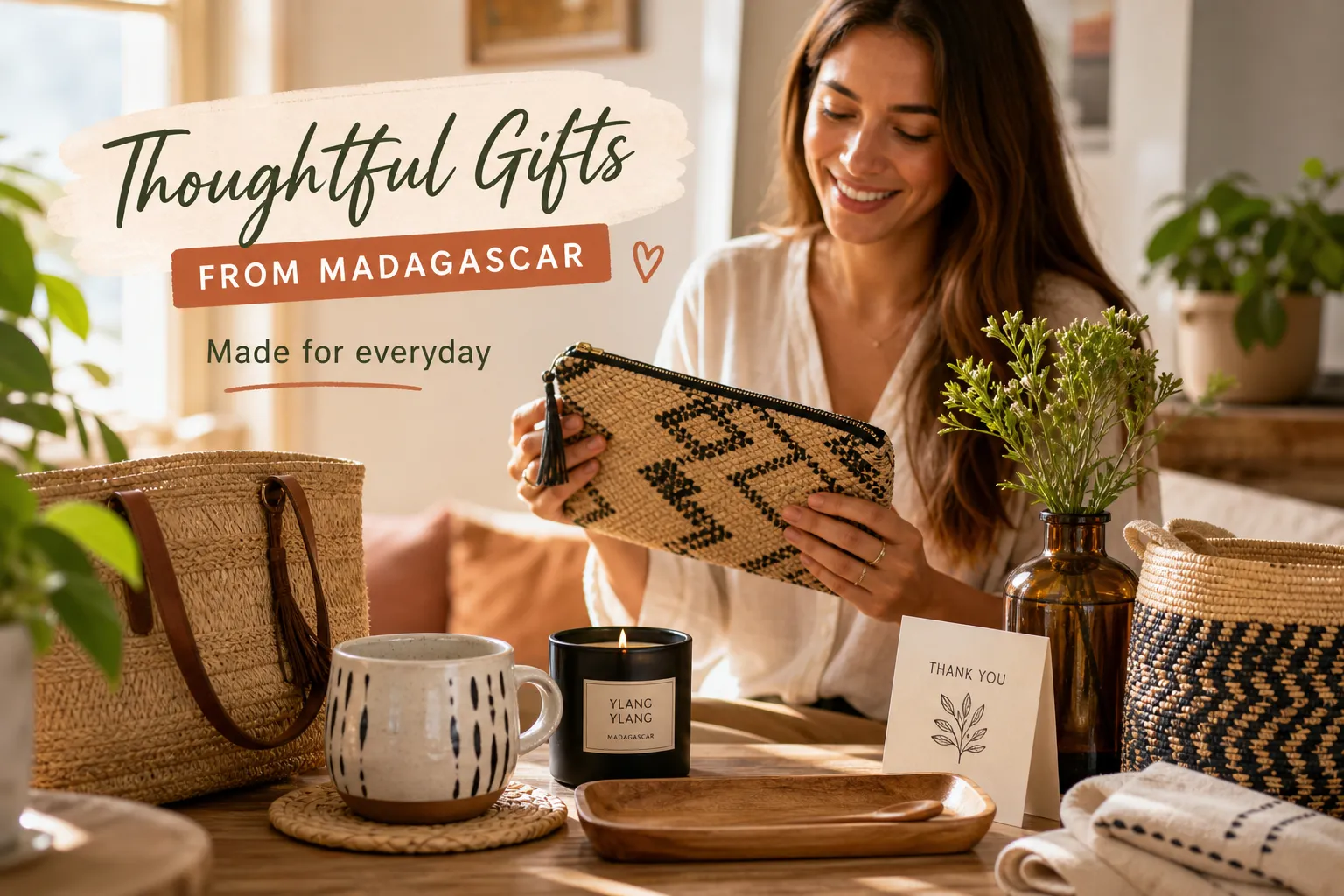 Best Everyday Madagascar Gifts People Will Actually UseRead more
The carved zebu looks great on the shelf for about a week. Then it gets pushed to the back, buried behind a candle...
-
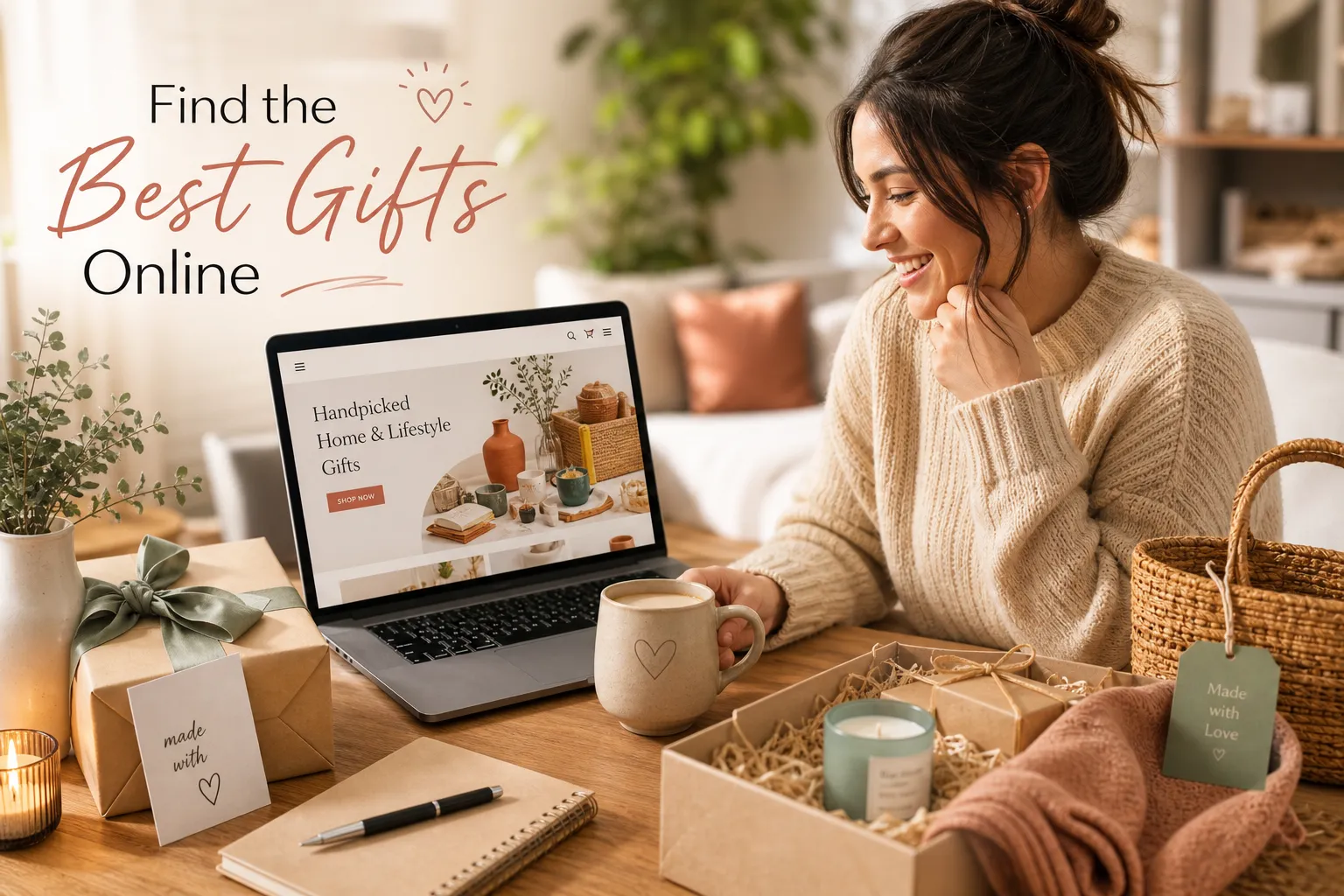 How to Find the Best Homeland Gifts Online StoreRead more
If you're hunting for a homeland gifts online store that actually feels authentic, this guide will help you find one...
-
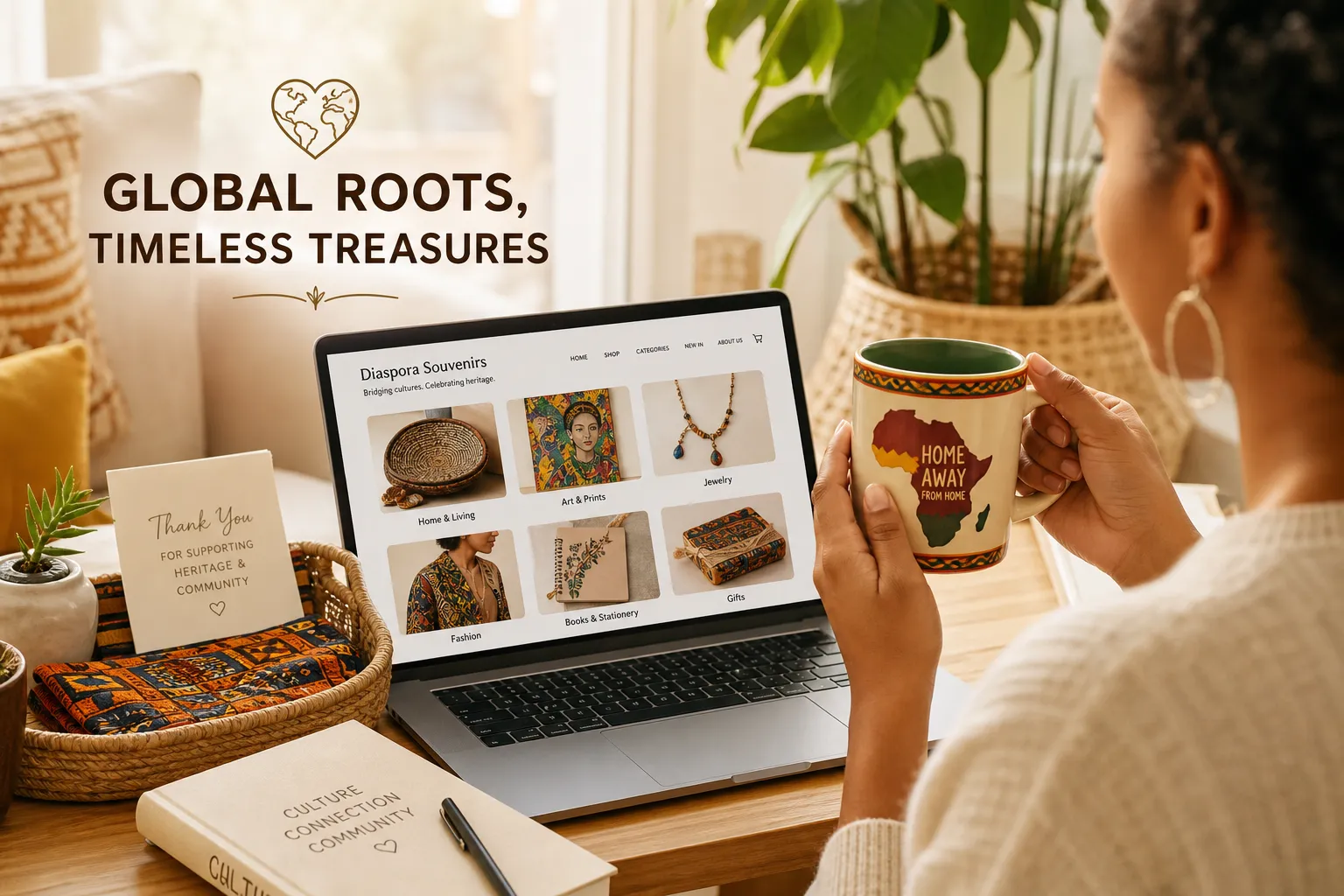 Best Diaspora Online Souvenir Shops to Know in 2026Read more
Most people searching for authentic homeland souvenirs online hit the same wall fast: generic platforms stuffed with...
-
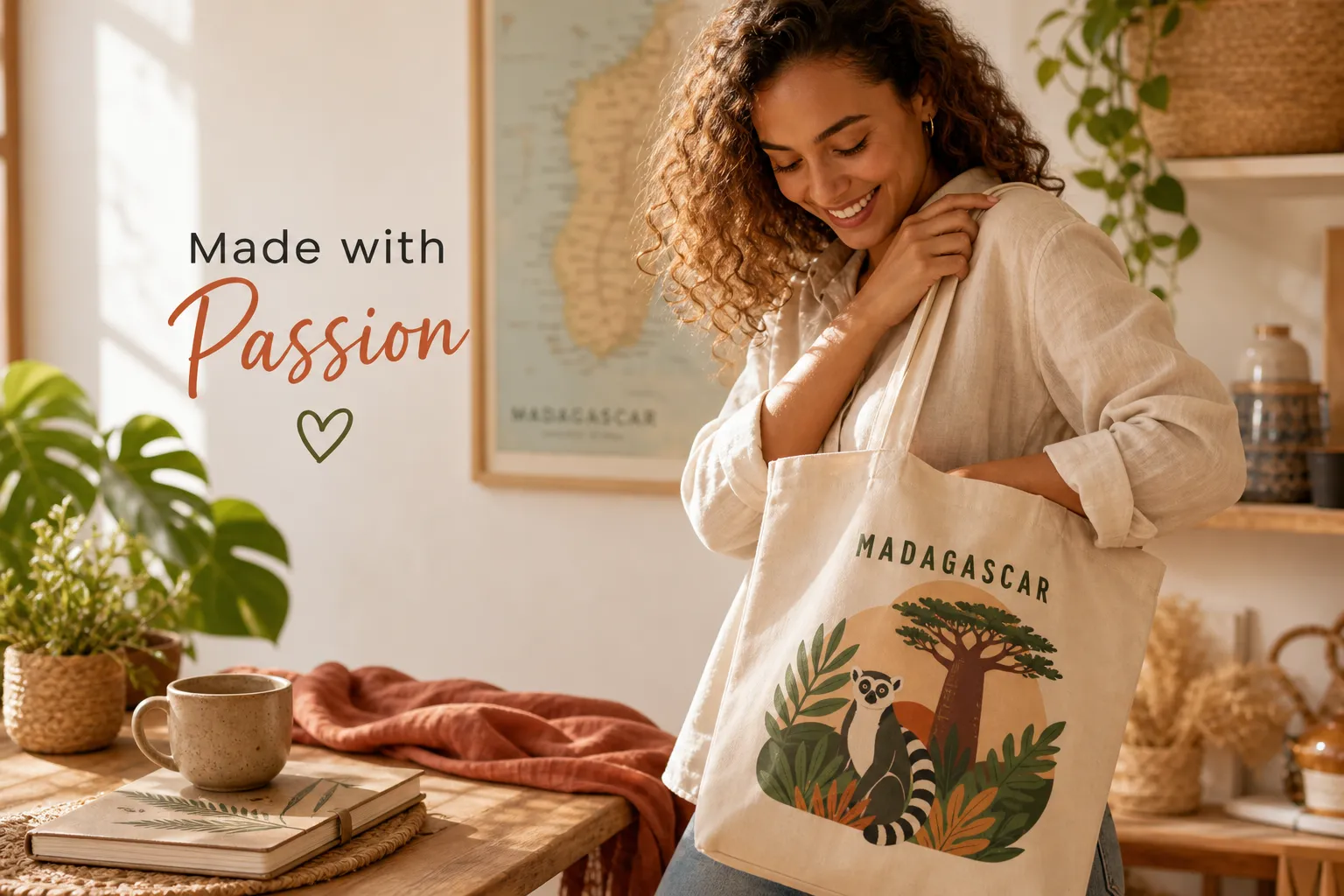 Madagascar Lifestyle Products: Wear Your Passion DailyRead more
A mug on your desk. A hoodie you reach for on a cold Tuesday morning. A tote bag that goes everywhere. These aren't...
-
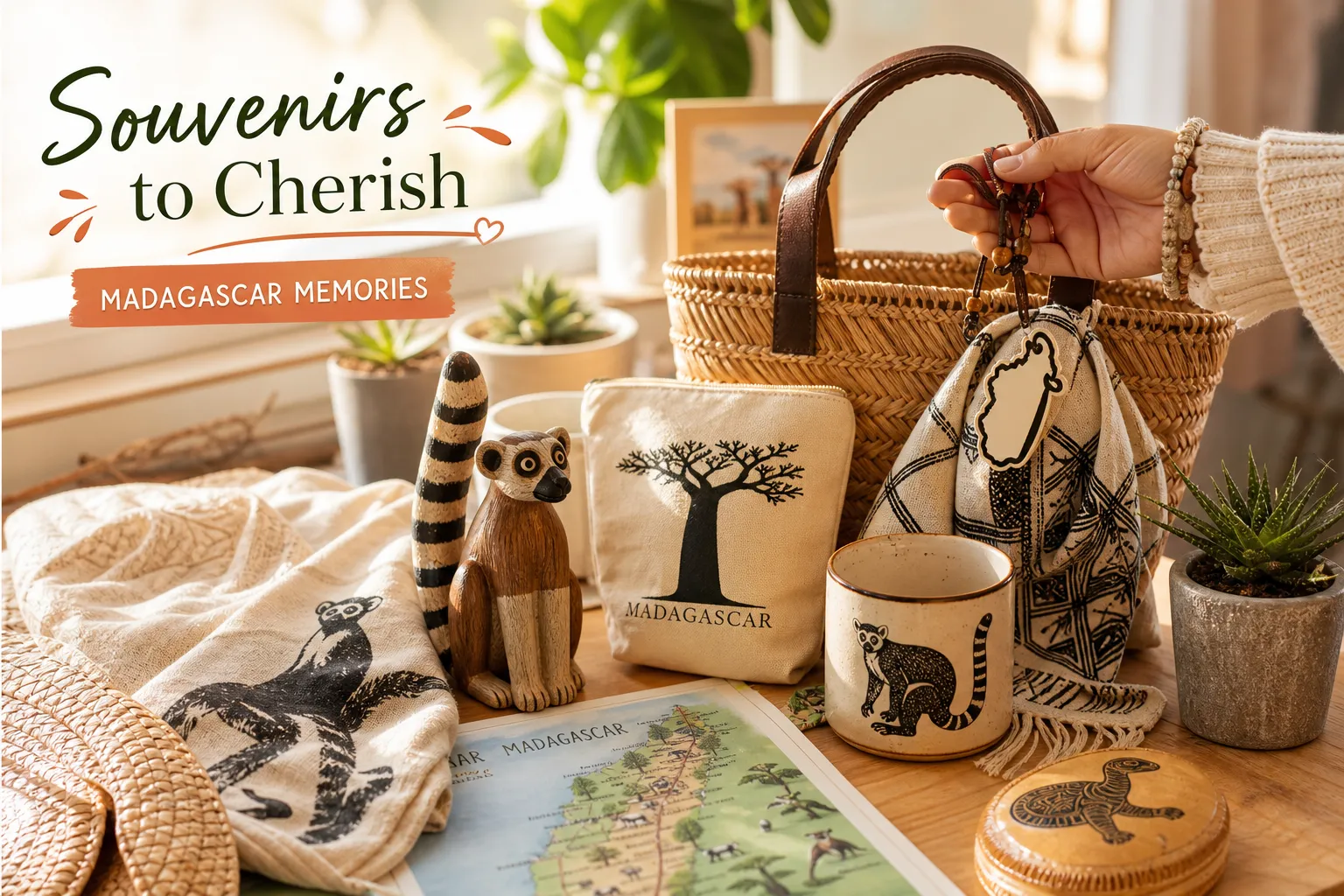 Best Souvenir Ideas After a Madagascar TripRead more
You're back. The humidity is gone, the lemurs are a memory, and you're standing in your living room holding a raffia...
-
 Madagascar Wildlife Apparel: A Guide for Nature LoversRead more
Many Madagascar animal shirts on the market share the same problem: generic stock art, forgettable prints, and no...
-
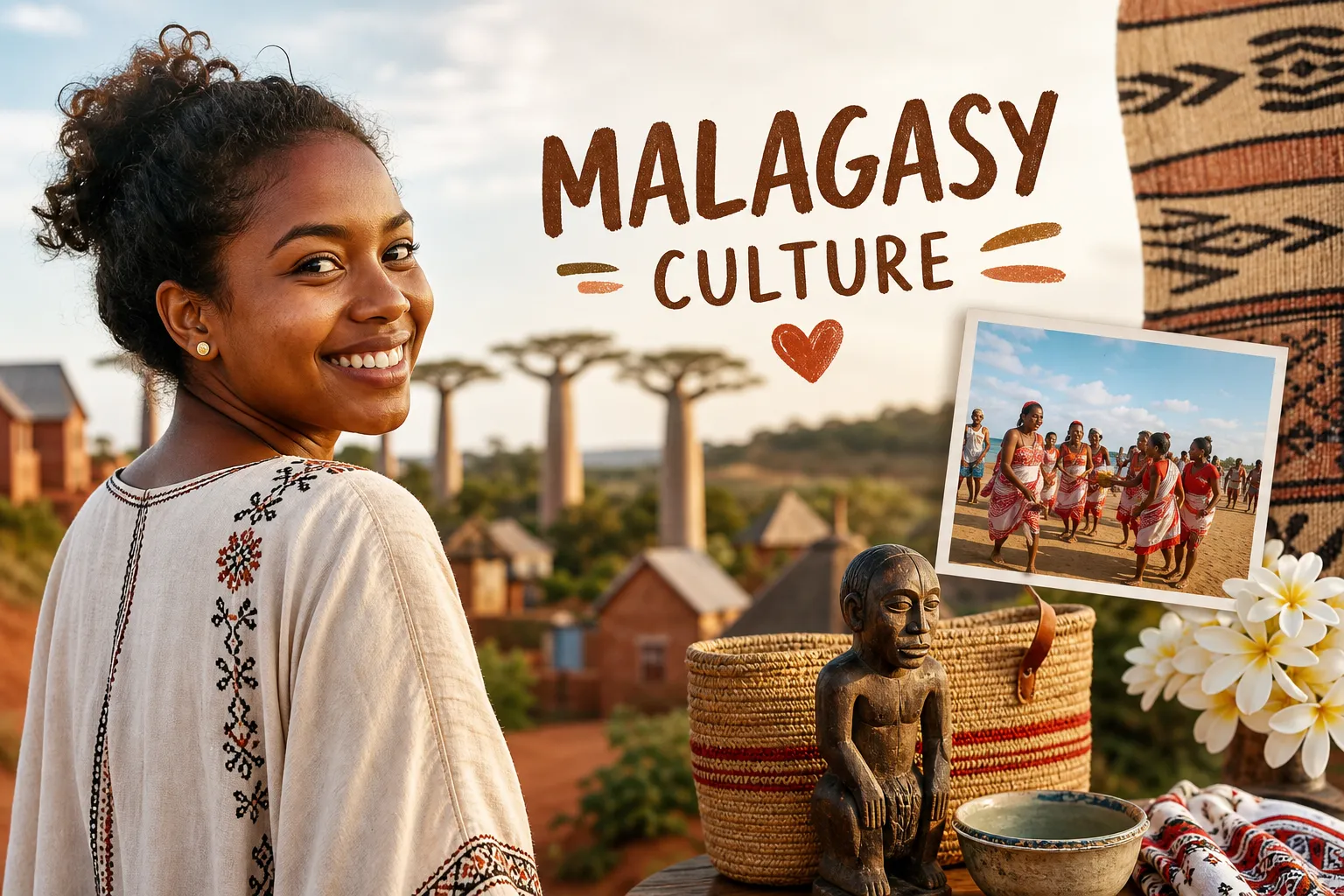 15 Malagasy Culture Facts That Will Surprise YouRead more
Many Americans know Madagascar through the DreamWorks animated film of the same name. The real island is something...
-
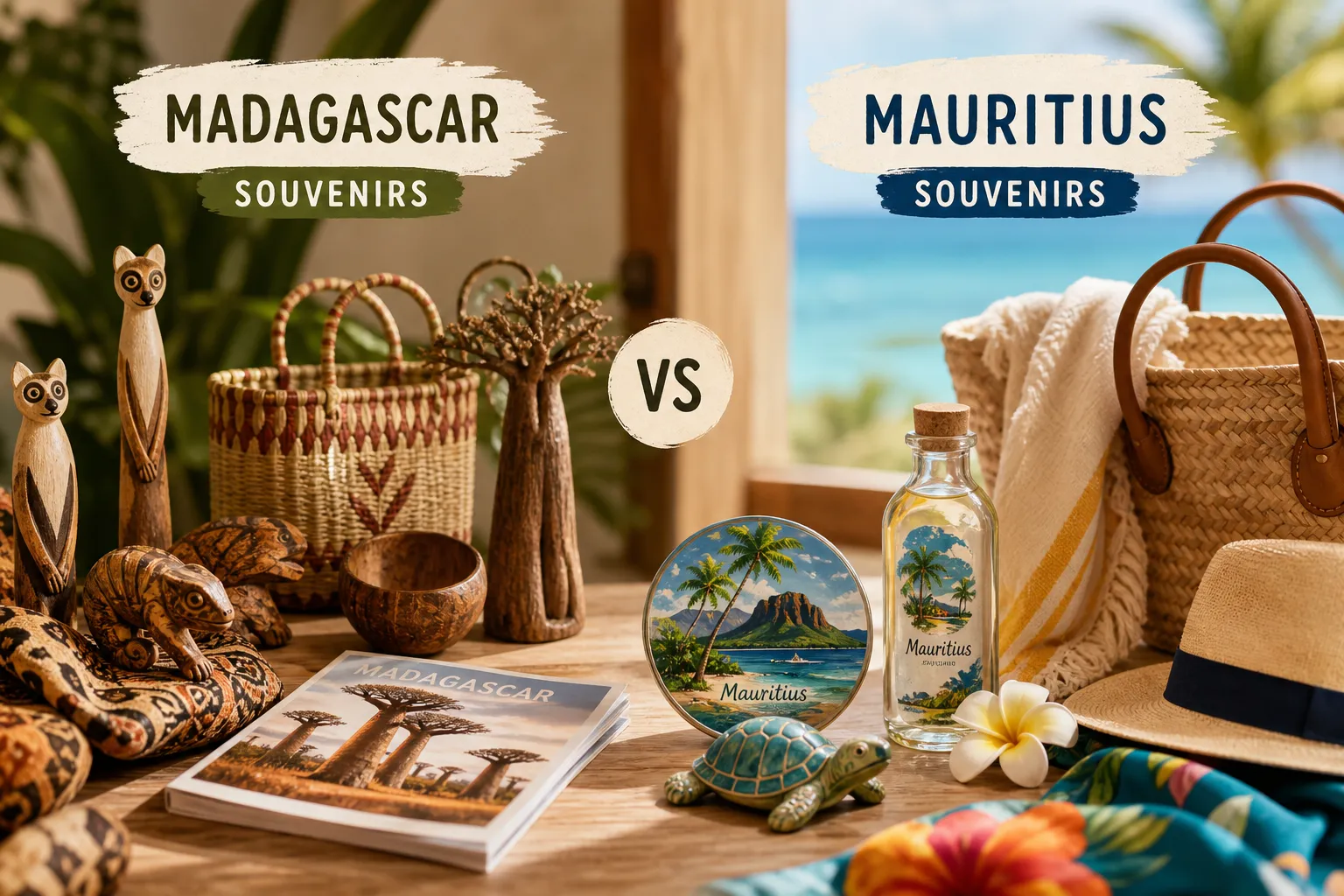 Madagascar vs Mauritius Souvenirs: Key DifferencesRead more
When comparing Madagascar vs Mauritius souvenirs, most travelers are surprised by how little overlap there actually...
Blog categories
Search in blog
Archived posts
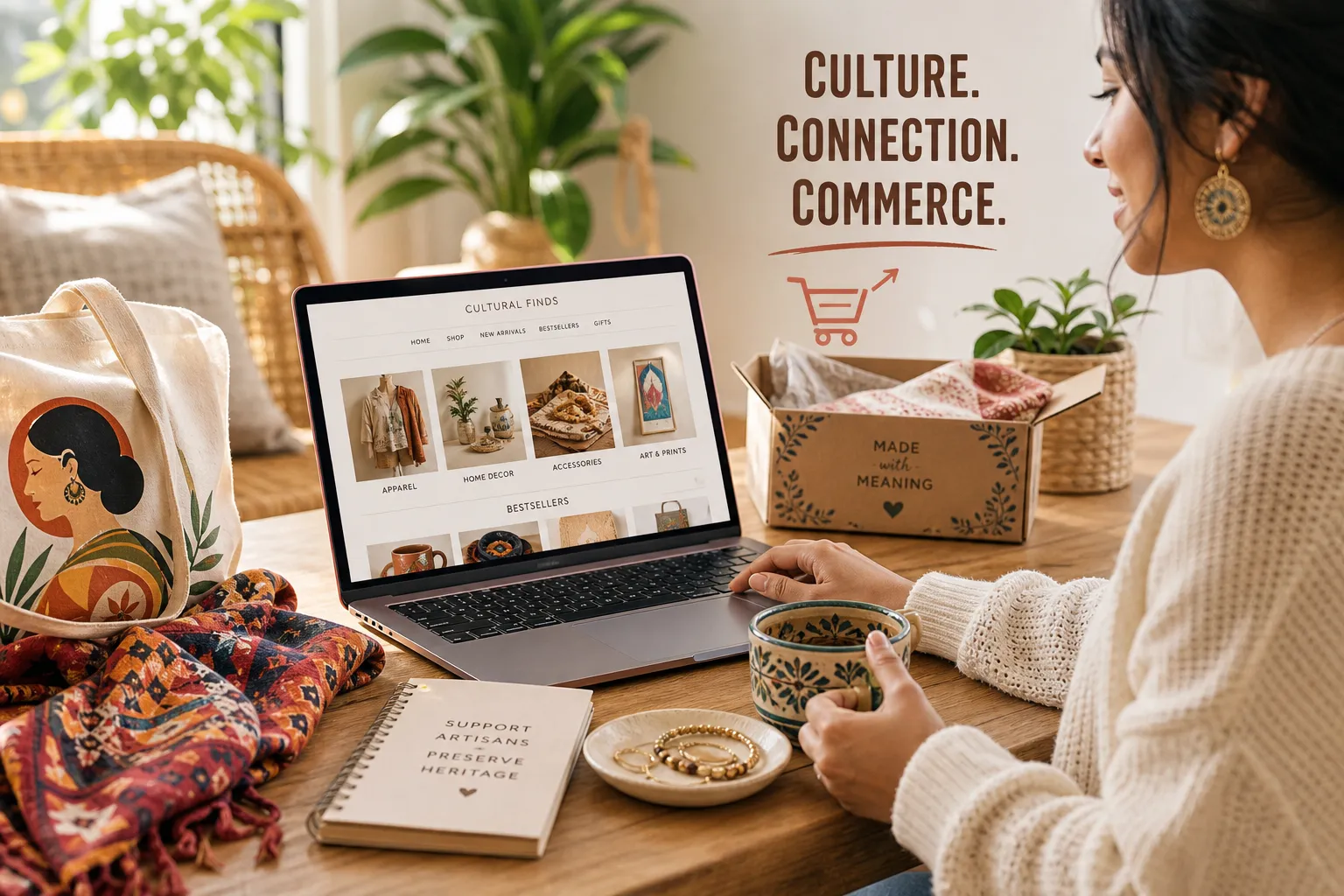
Why Cultural Merchandise Online Is Booming in 2026
Something has shifted in how people shop for cultural identity online, and it's not subtle. Cultural merchandise online is increasingly chosen over mass-produced trinkets with vague "ethnic-inspired" labels, sold by brands with no real connection to the cultures they imitate. The heritage merchandise and cultural clothing market has grown at roughly 5 to 9 percent annually in recent years, according to aggregate estimates across merchandise-focused e-commerce categories. The engine driving that growth isn't trend cycles or algorithm-driven viral content. It's identity. People with deep connections to a homeland want products that actually reflect it, made by people who actually understand it.
This article breaks down why the market is booming, what authentic cultural merchandise actually means in practice, how to vet a brand before you spend, and where to start building your shortlist of trusted stores. For the Malagasy community, one shop called KissMada offers a concrete example of what this model looks like when it's executed well.
The diaspora economy is reshaping cultural merchandise online
Diaspora communities across the United States don't have easy access to authentic homeland lifestyle goods. Local ethnic grocery stores carry food. They rarely carry well-designed, everyday cultural merchandise that people can wear, use, or gift with real meaning. E-commerce fills that gap directly, and for millions of people, a thoughtfully designed shirt or mug carrying their homeland's imagery is more than a transaction. It's a connection to something they carry everywhere but can rarely hold.
The US-based Malagasy community alone, estimated at between 1,000 and 5,000 people, represents the kind of concentrated purchasing power that specialized online brands can serve effectively. Multiply that model across dozens of diaspora communities, Kenyan-Americans, Haitian-Americans, Vietnamese-Americans, Filipino-Americans, and you start to see why the global cultural merchandise market reached an estimated $40.4 billion in 2025, with forecasts projecting 8.7 percent annual growth through 2034, according to industry market research published in recent years.
Physical stores serving diaspora communities tend to cluster in major cities. A Malagasy expat in rural Texas or a Ghanaian-American in suburban Ohio has no realistic local option for finding culturally specific lifestyle products. Online stores changed that equation completely. Real-time order tracking, US-based shipping options, and digital storefronts have made heritage merchandise accessible to people who previously had to rely on visiting family back home or asking travelers to bring things back. That's not a trend. That's a structural change in how identity-driven commerce works.
What authentic cultural merchandise actually means (and what it doesn't)
"Culturally inspired" is a red flag phrase. It usually means a designer outside the community looked at the culture's aesthetics and recreated them without any real involvement from the people who actually carry that culture. The result looks superficially similar to the real thing but carries none of the meaning, none of the craft context, and none of the community benefit. Authentic cultural merchandise is designed by people from or deeply embedded in that culture, reflects real symbols and stories, and benefits the community in some direct or traceable way.
Design origin is among the most reliable signals of authenticity you can check. Does the brand explain where its visual references come from? Do the designers have a direct connection to the culture they're representing? Stores like AfriCraft, which sources from artisans across 54 African countries, and Papalotl Clothing, which according to the brand partners directly with Tzotzil Mayan cooperatives in Chiapas, publish this information upfront. Brands that can't answer basic questions about where their designs came from should be skipped. The inability to explain design provenance is itself the answer.
Artisan-made gifts carry another layer of authenticity: documented production methods. GI tags (Geographical Indication labels) for Indian crafts, Certificate of Authenticity practices in Indigenous art markets, and supply chain transparency certifications like Fair Trade Federation membership all serve as supporting signals. No single certification is universal, but brands that combine community ownership, transparent sourcing, and specific design explanations are consistently more trustworthy than brands that rely on aesthetic appeal alone.
How to evaluate cultural merchandise online before you spend a dollar
Five signals reliably separate trustworthy heritage apparel shops and cultural souvenirs online from trend-chasers. Break them into two groups: what to look for, and where to verify it.
What to look for in a brand
- Maker profiles or direct artisan sourcing language that names specific communities, cooperatives, or designers, not generic sustainability claims.
- Published materials and manufacturing information, not vague language like "sustainably made" with nothing behind it.
- Community involvement or community ownership, meaning the people represented in the product have some real stake in the business.
Where to verify
- Customer review language: reviews that specifically mention authenticity, craftsmanship, or sourcing specifics are more useful than generic five-star ratings.
- Transparency screening platforms likeCOSH, which vet brands against published criteria. Stores with strong ratings onTrustpilotor Google where reviewers cite direct sourcing and design quality are generally a safer bet, use 4.5-plus as a rough working threshold, not a guarantee.
Red flags are equally specific. Designs that use cultural imagery without any explanation of what the imagery means or where it comes from should raise immediate skepticism. No information about who made the product or where it was manufactured is a hard stop. Prices dramatically below market rate for genuinely handmade goods signal mass production disguised as artisanal: real artisan-made garments cost real labor. A brand that claims to represent a culture but shows no traceable connection to the people in it is cashing in, not contributing.
KissMada: what a community-first cultural brand looks like in practice
Madagascar has one of the world's most distinct cultural identities: its own language, endemic wildlife found nowhere else on Earth, rich visual traditions, and a humor that's entirely its own. The global merchandise market treated it as an afterthought for years. Before KissMada, Malagasy expats in the US were choosing between generic "Africa" merchandise that didn't represent them at all, or expensive handmade crafts that weren't practical for everyday wear and use. Neither option served the community well.
KissMada was built specifically to close that gap. The product range covers t-shirts, sweatshirts, hoodies, mugs, notebooks, blankets, pet accessories, and seasonal items like Christmas stockings, all built around authentic Malagasy design references: the island's endemic wildlife including lemurs, baobabs, and chameleons, its landscapes, and the kind of cultural humor that resonates with people who actually know the island. Every product uses premium printing and decoration techniques, DTG, DTF, embroidery, and sublimation, so the quality holds up through repeated use rather than fading after a few washes.
Price points run from approximately $8.95 for patches to $43 for larger home goods, making items genuinely accessible as both personal everyday purchases and gifts. For US buyers, real-time order tracking from preparation through shipping removes the uncertainty that makes some cultural merchandise stores frustrating to shop. That combination of material quality, authentic Malagasy cultural design, and practical e-commerce execution is what the diaspora market has been looking for.
Pricing and shipping: what fair looks like in cultural e-commerce
Knowing typical price benchmarks protects you from both overpriced "authentic" labels and suspiciously cheap mass-produced fakes. For apparel, expect to pay $15 to $45 on most reputable platforms. Textiles and home goods typically land between $20 and $100 depending on complexity. Jewelry and accessories commonly run $15 to $80. Anything significantly below these ranges on a platform claiming artisan-made quality warrants a closer look at sourcing. If the numbers don't support real labor costs, the product isn't what it claims to be.
Shipping policies vary more than most buyers expect. Many quality cultural merchandise stores offer free shipping above an order threshold, typically $75 to $100. Others charge flat rates around $7.50 to $10 for standard domestic delivery in the US. International buyers should expect customs duties and taxes on top of stated shipping costs, since nearly every major platform places that responsibility on the buyer. Stores that provide real-time tracking after purchase are significantly easier to shop with confidence than those that offer only a vague estimated delivery window and a tracking number that doesn't update.
Building your shortlist of trusted cultural merchandise online stores
Not every cultural merchandise platform serves every community equally well. For South Asian artisan crafts, Ten Thousand Villages and Tribes India have extensive verified collections with documented sourcing. For African artisan goods, AfriCraft sources from across 54 countries with regional specificity. For Indigenous and Native-made goods in the US, the Beyond Buckskin directory is widely trusted as a starting point because it verifies Native ownership. For Latinx-owned cultural businesses, the Culturise directory organizes options by community and product type.
For the Malagasy community specifically, and for anyone drawn to Madagascar's wildlife, landscapes, or cultural energy, KissMada is a strong option for US buyers who want modern, wearable cultural goods shipped with tracking and sold at accessible prices. Among shops focused on Malagasy-specific design, it stands out for combining contemporary graphic work with genuine cultural roots and straightforward e-commerce execution.
Responsible cultural shopping is straightforward when you follow the signals covered above. Prioritize brands that explain their design origins, publish sourcing information, and have visible community connections. Leave a review after you purchase: specific feedback about design authenticity and quality helps future buyers in your community make better decisions. A purchase in this space carries more weight than a typical retail transaction, it supports the communities whose cultures these products represent and keeps those cultural expressions visible in daily life.
The market is growing because the need is real
The boom in cultural merchandise online isn't driven by trend-chasing consumers or algorithm-optimized marketing campaigns. It's driven by millions of people who want everyday objects that reflect who they actually are, and who finally have access to brands that can deliver it. The structural drivers, diaspora population growth, expanding global e-commerce access, and rising consumer expectations for authenticity and ethical sourcing, show no signs of reversing.
If you're part of the Malagasy community or carry any connection to Madagascar, KissMada is worth your first look. For other communities, the same framework applies: find brands with transparent design origins, community involvement, and genuine cultural depth behind the products. The vetted stores listed here give you a solid starting point across regions and communities.
Cultural merchandise online has moved well past niche status. It's how millions of people carry their identity forward in daily life, one well-made, genuinely sourced product at a time. The brands worth supporting are the ones that treat cultural representation as a responsibility, not a marketing angle.
Posted in:
Madagascar
Related posts
-
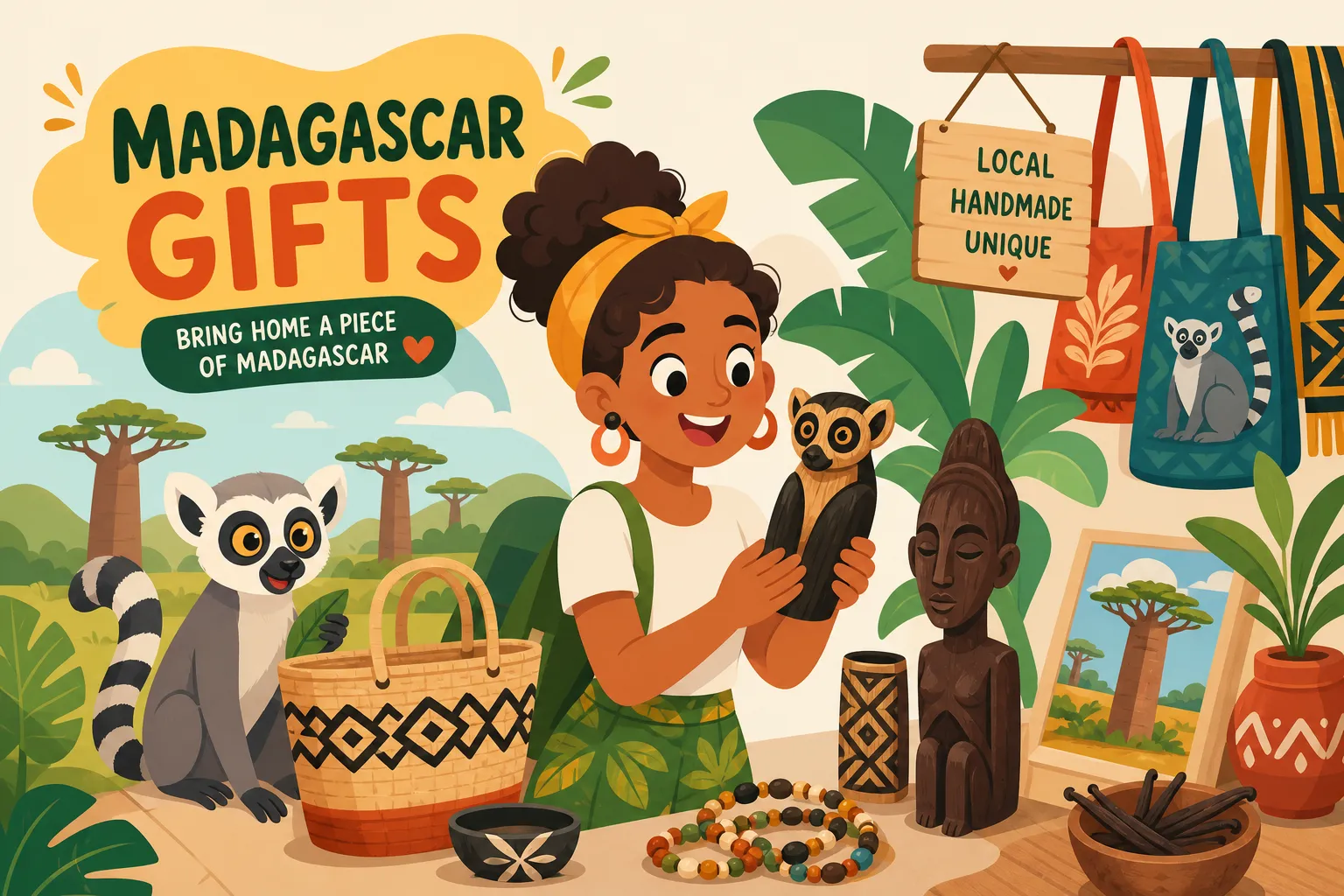 Madagascar Gifts: What to Buy and Where to Find Them
You're searching for Madagascar gifts and the options feel all over the place. On one end, you've got DreamWorks...Read more
Madagascar Gifts: What to Buy and Where to Find Them
You're searching for Madagascar gifts and the options feel all over the place. On one end, you've got DreamWorks...Read more -
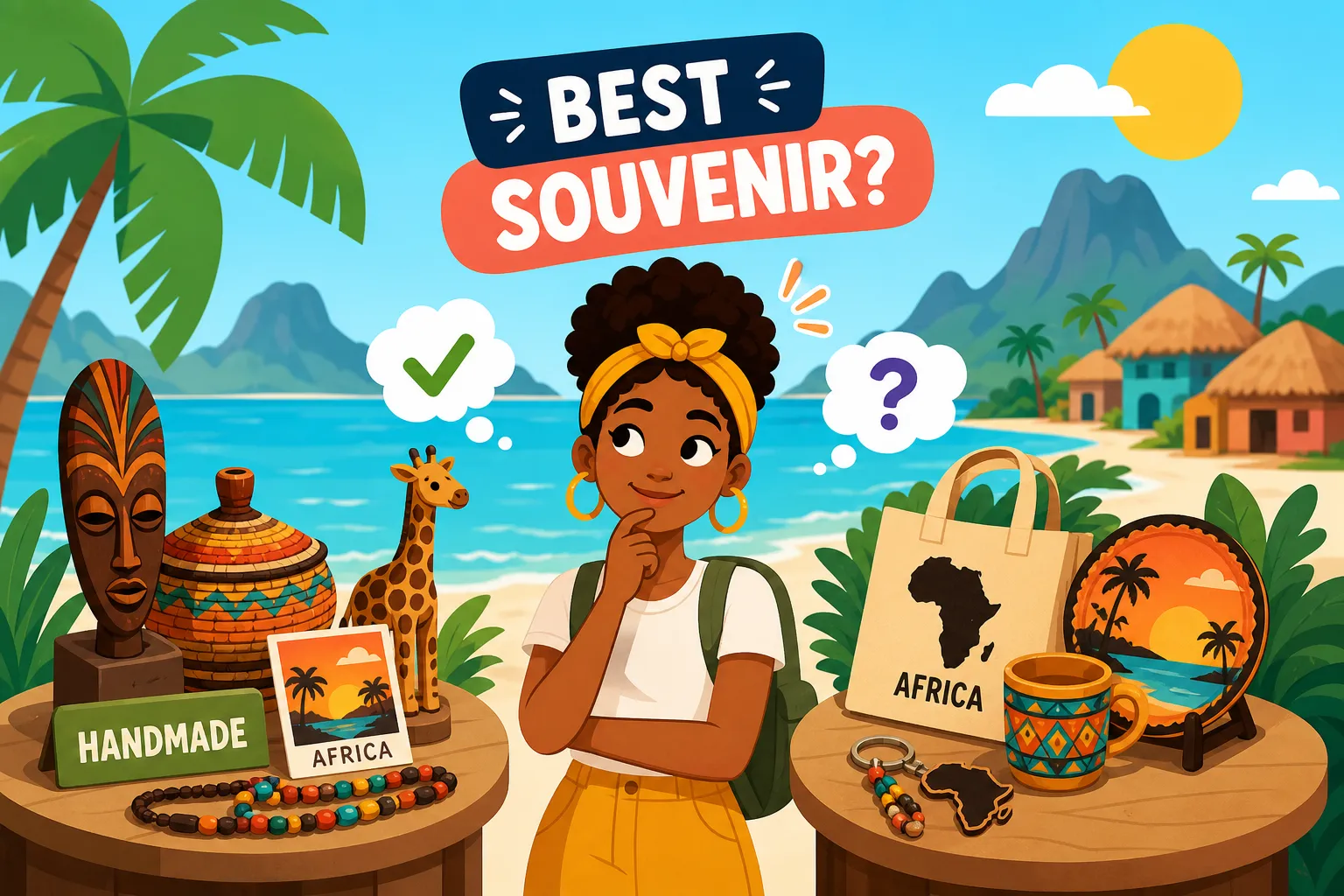 African Island Souvenir Comparison: Which Is Best?
Picture this: you're standing in a crowded market stall, surrounded by carved figurines, spice packets, printed...Read more
African Island Souvenir Comparison: Which Is Best?
Picture this: you're standing in a crowded market stall, surrounded by carved figurines, spice packets, printed...Read more -
 Madagascar Culture Explained for Beginners
Whether you're packing a bag for Antananarivo, writing a research paper, or trying to reconnect with roots you grew...Read more
Madagascar Culture Explained for Beginners
Whether you're packing a bag for Antananarivo, writing a research paper, or trying to reconnect with roots you grew...Read more -
 Understanding Madagascar Traditions as an Outsider
Madagascar traditions run deeper than most outsiders expect. Rather than a checklist of cultural facts you skim...Read more
Understanding Madagascar Traditions as an Outsider
Madagascar traditions run deeper than most outsiders expect. Rather than a checklist of cultural facts you skim...Read more -
 What to Gift a Malagasy Expat Living in the US ?
There's a specific kind of ache that comes with living far from the island you grew up on. It's not dramatic or...Read more
What to Gift a Malagasy Expat Living in the US ?
There's a specific kind of ache that comes with living far from the island you grew up on. It's not dramatic or...Read more
Leave a comment