 KissMada, your online Madagascar souvenir shop



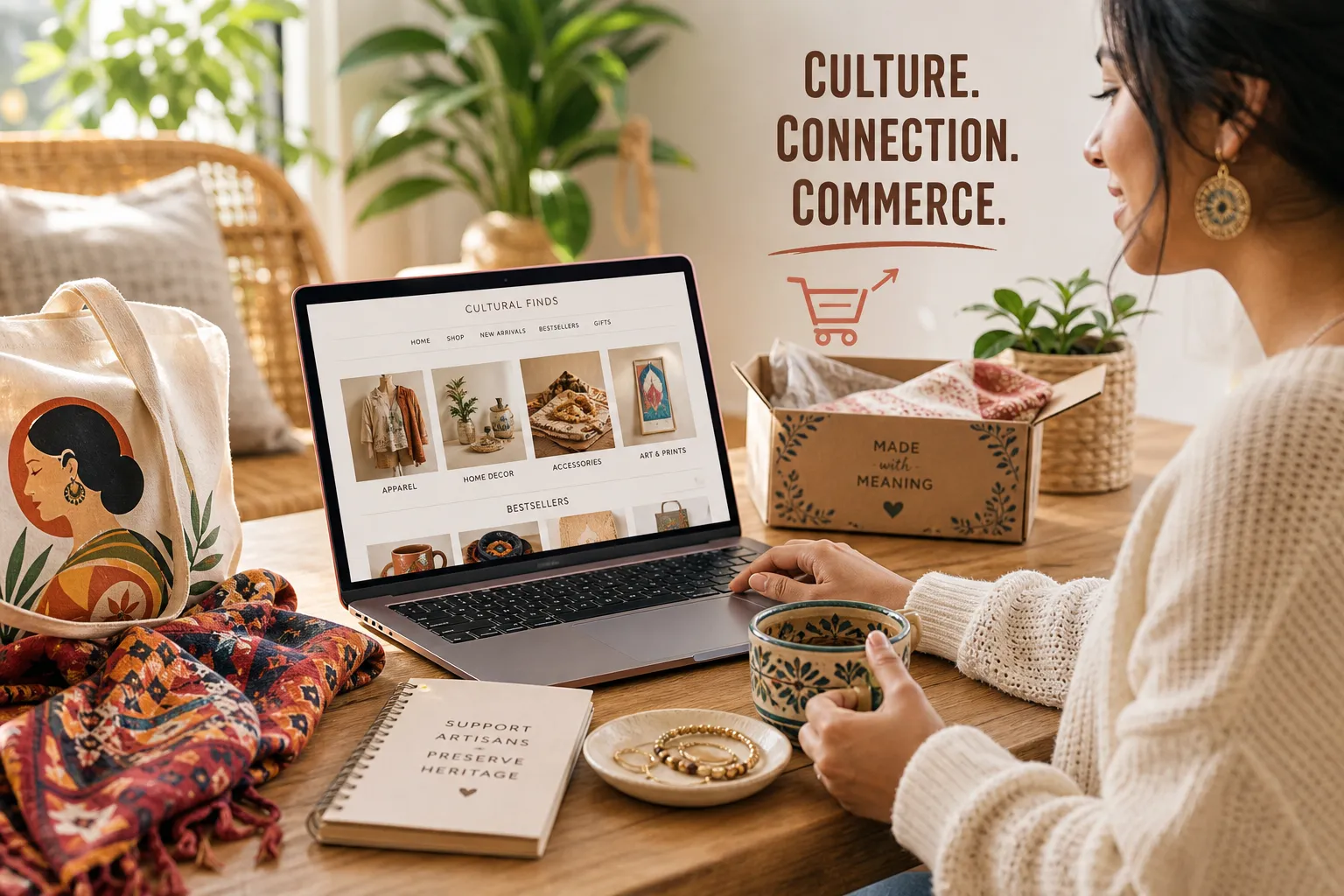
Something has shifted in how people shop for cultural identity online, and it's not subtle. Cultural merchandise...
Latest posts
-
 Why Cultural Merchandise Online Is Booming in 2026Read more
 -
 Madagascar Mug, Notebook & Shirt: The Perfect Gift SetRead more
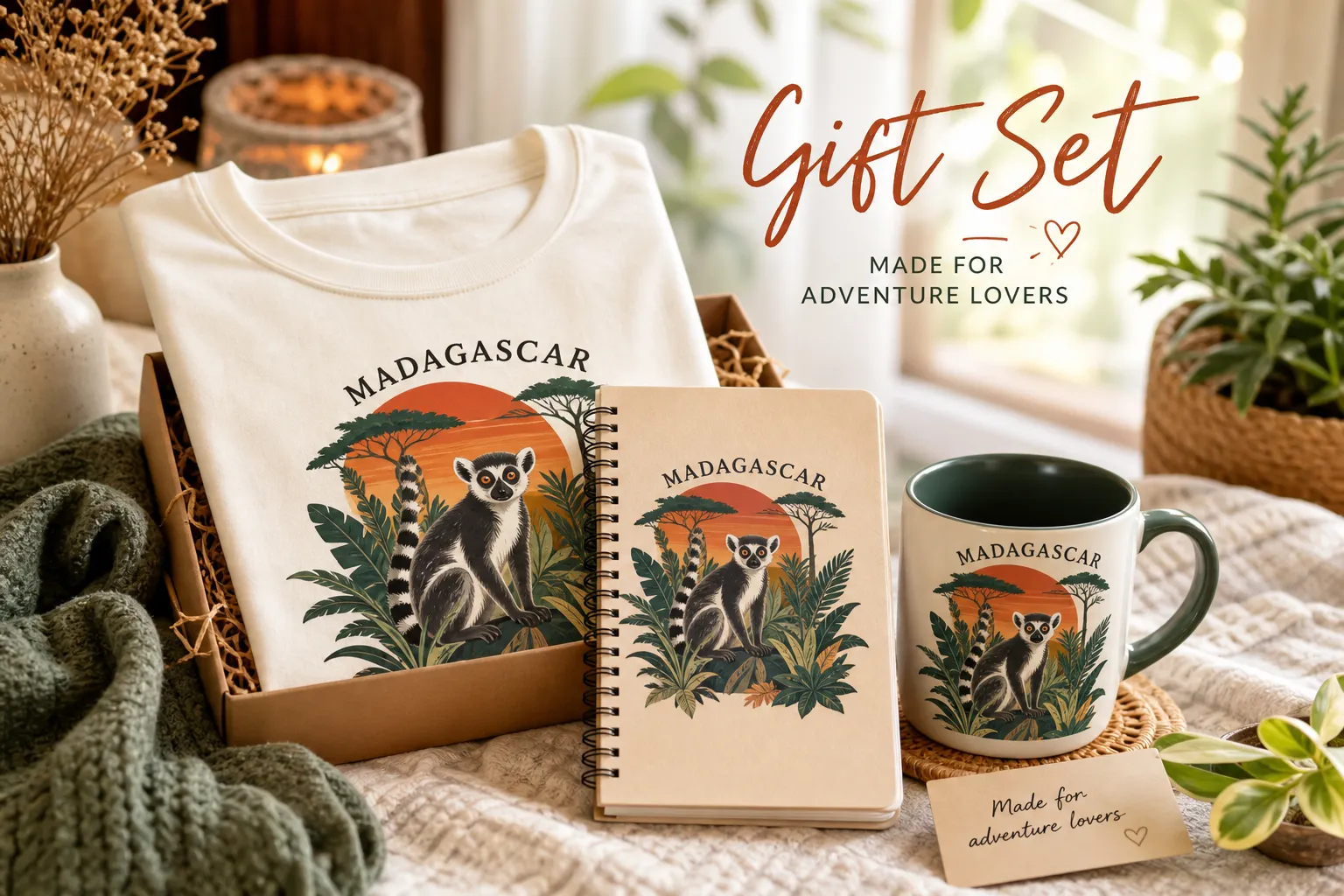
Most Madagascar gifts end up in a drawer. The fridge magnet loses its novelty by week two. The framed photo blends...
-
 Best Everyday Madagascar Gifts People Will Actually UseRead more
The carved zebu looks great on the shelf for about a week. Then it gets pushed to the back, buried behind a candle...
-
 How to Find the Best Homeland Gifts Online StoreRead more
If you're hunting for a homeland gifts online store that actually feels authentic, this guide will help you find one...
-
 Best Diaspora Online Souvenir Shops to Know in 2026Read more
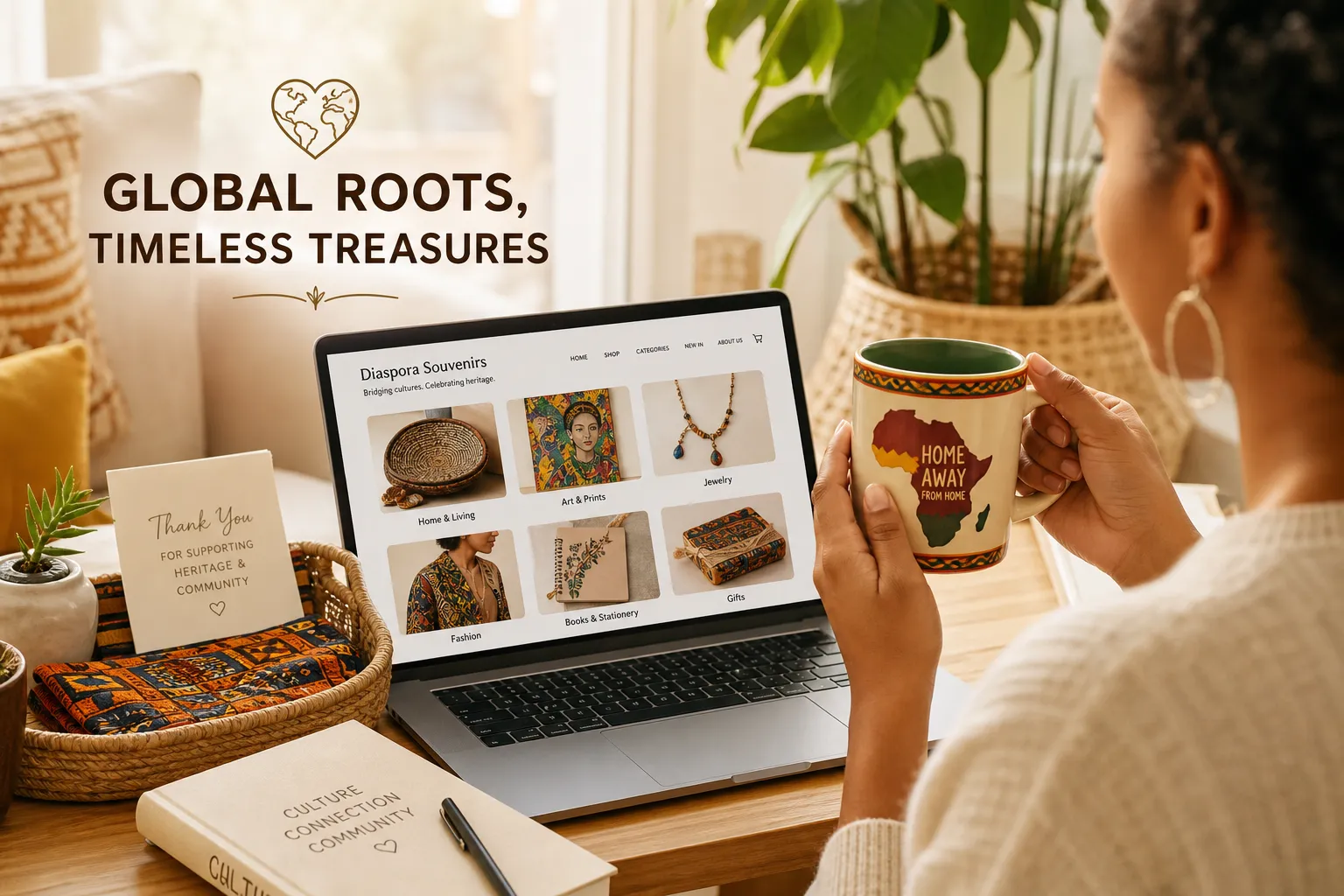
Most people searching for authentic homeland souvenirs online hit the same wall fast: generic platforms stuffed with...
-
 Madagascar Lifestyle Products: Wear Your Passion DailyRead more
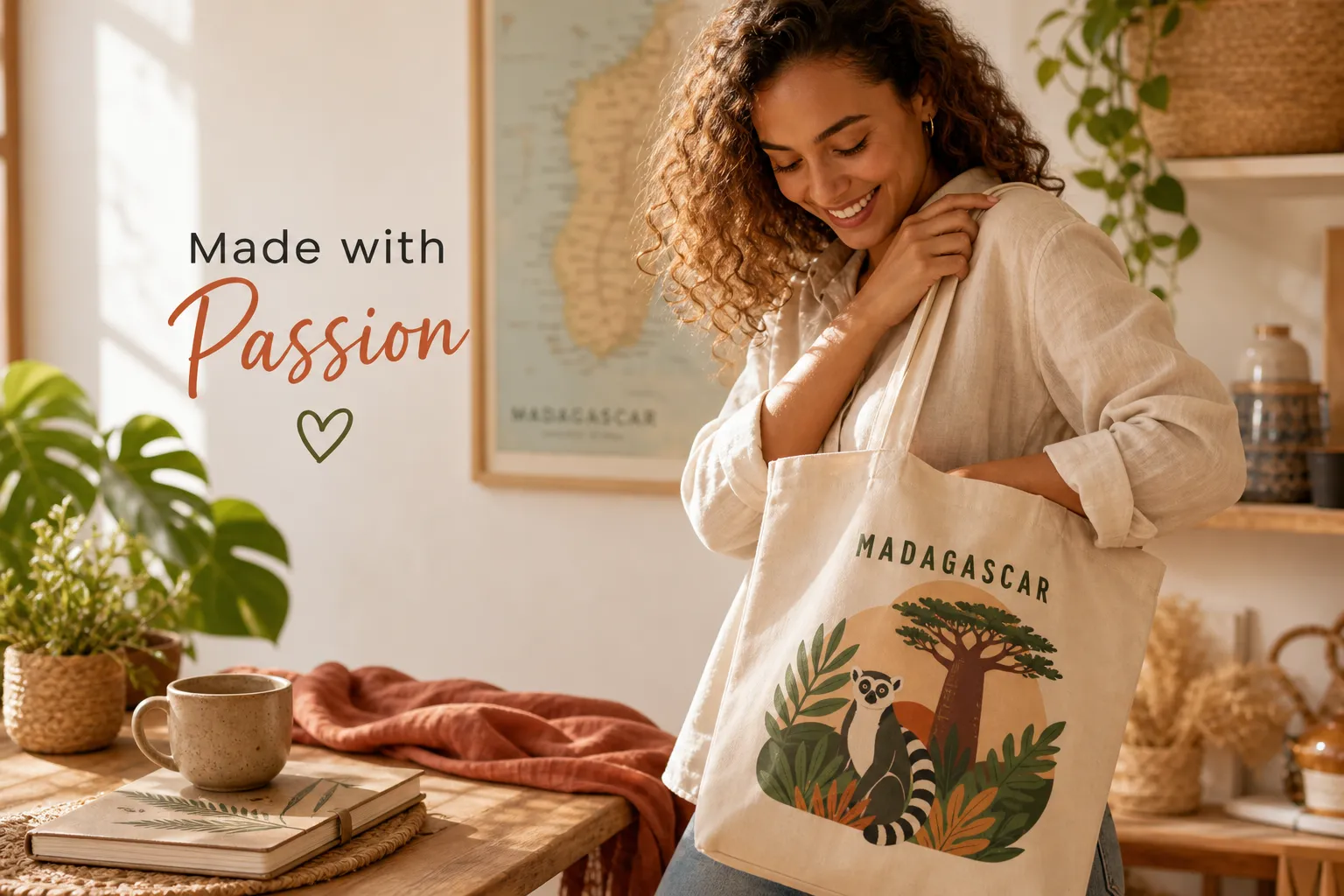
A mug on your desk. A hoodie you reach for on a cold Tuesday morning. A tote bag that goes everywhere. These aren't...
-
 Best Souvenir Ideas After a Madagascar TripRead more
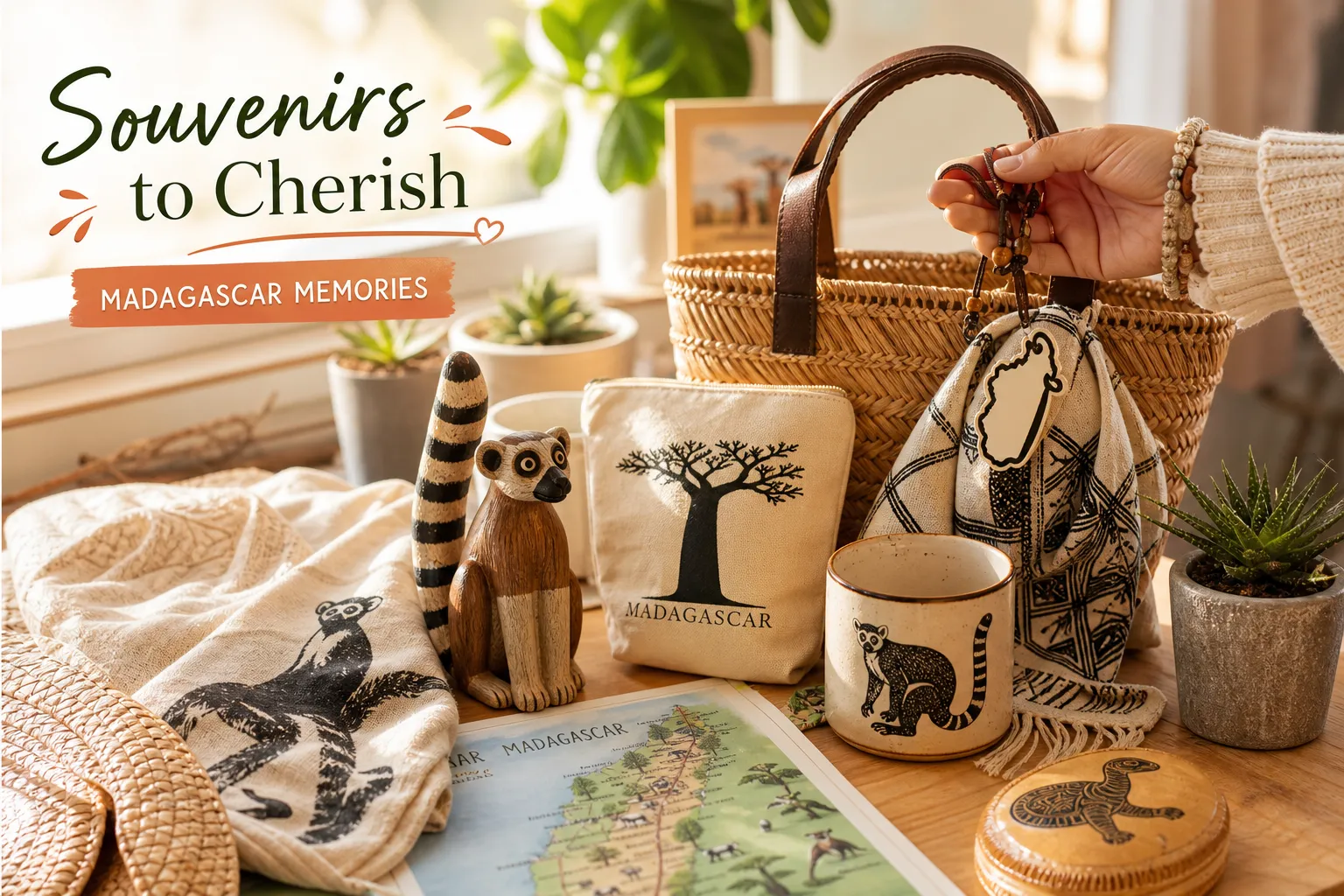
You're back. The humidity is gone, the lemurs are a memory, and you're standing in your living room holding a raffia...
-
 Madagascar Wildlife Apparel: A Guide for Nature LoversRead more
Many Madagascar animal shirts on the market share the same problem: generic stock art, forgettable prints, and no...
-
 15 Malagasy Culture Facts That Will Surprise YouRead more
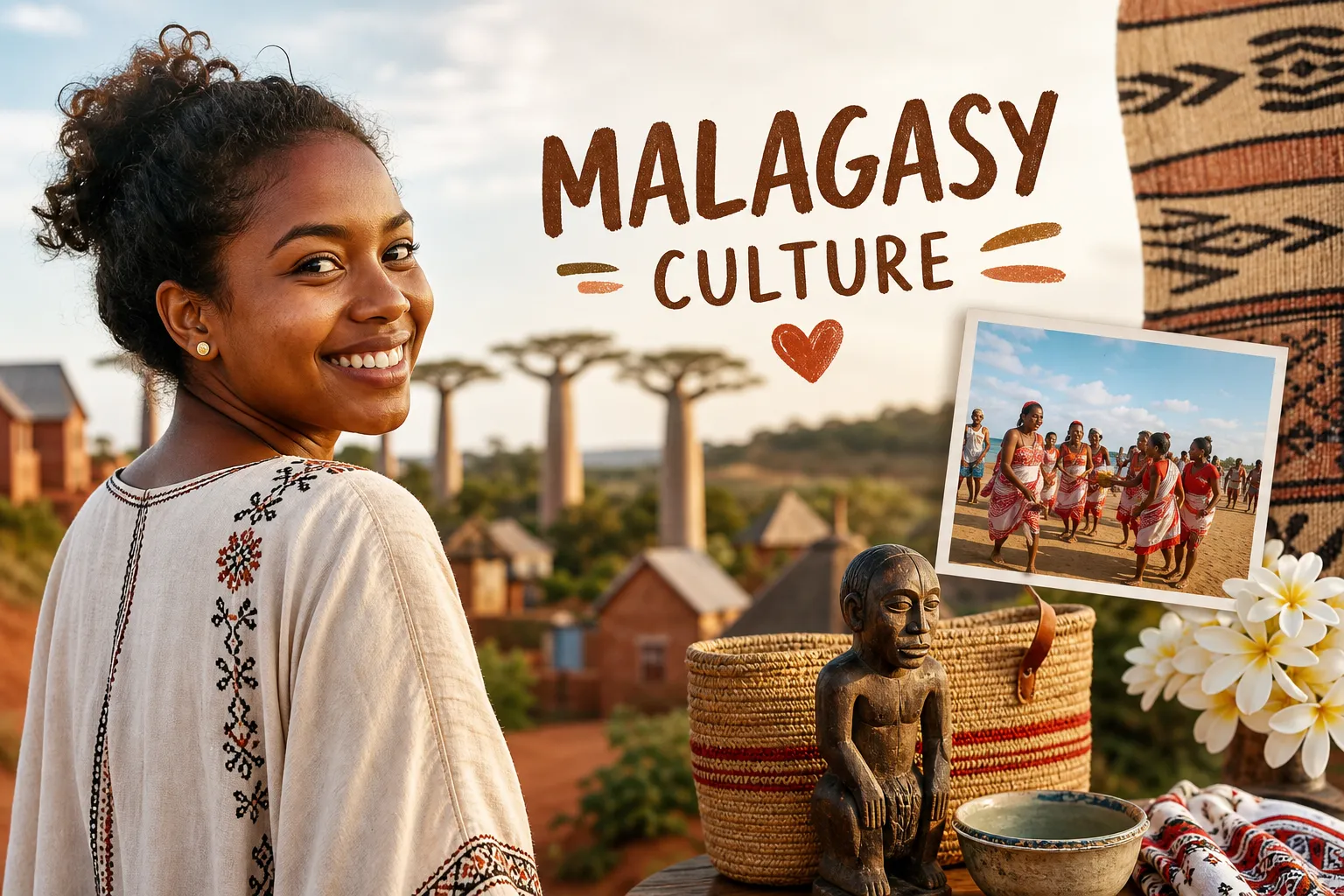
Many Americans know Madagascar through the DreamWorks animated film of the same name. The real island is something...
-
 Madagascar vs Mauritius Souvenirs: Key DifferencesRead more
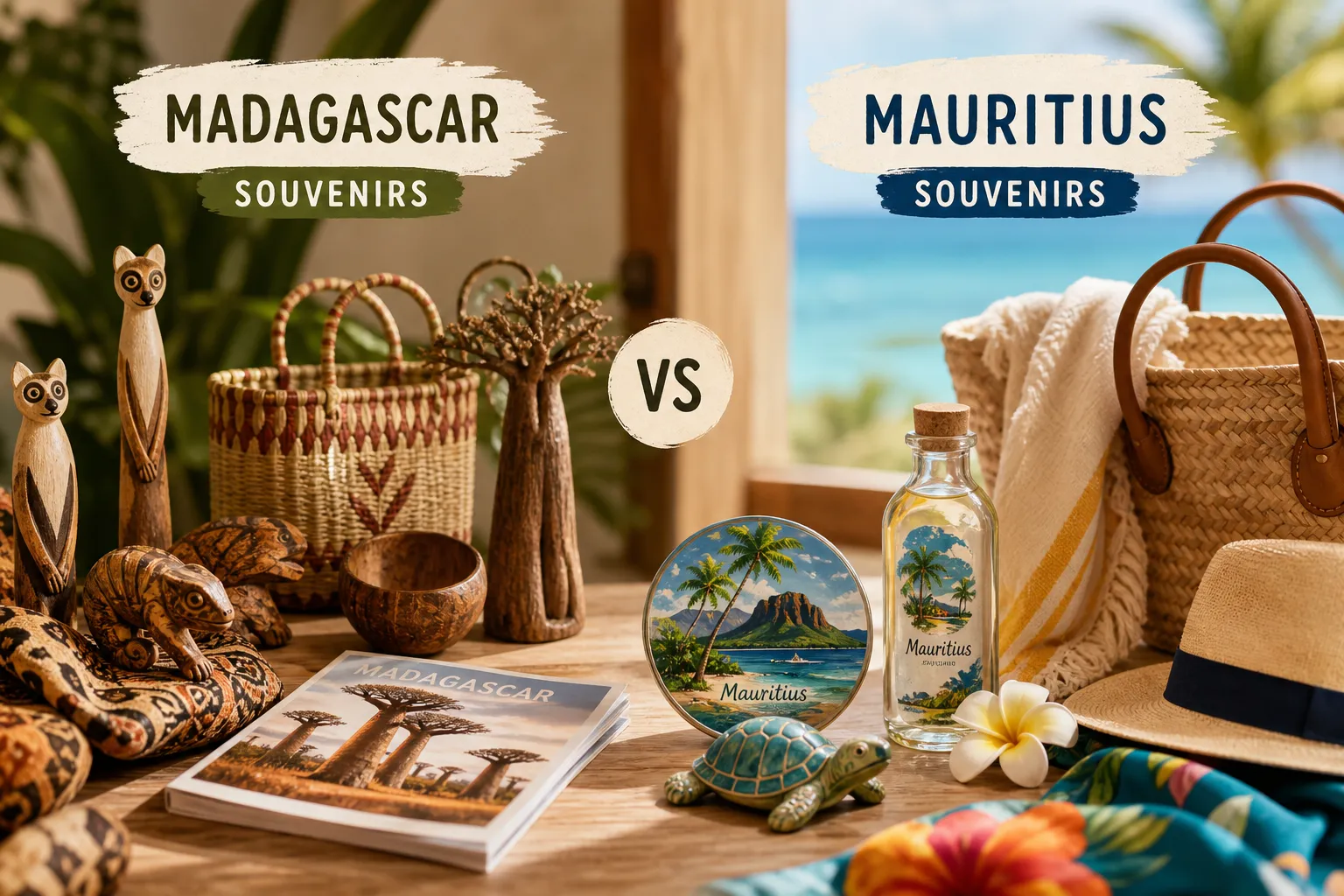
When comparing Madagascar vs Mauritius souvenirs, most travelers are surprised by how little overlap there actually...
Blog categories
Search in blog
Archived posts
Modern Madagascar Keepsakes for the Design-Savvy Traveler
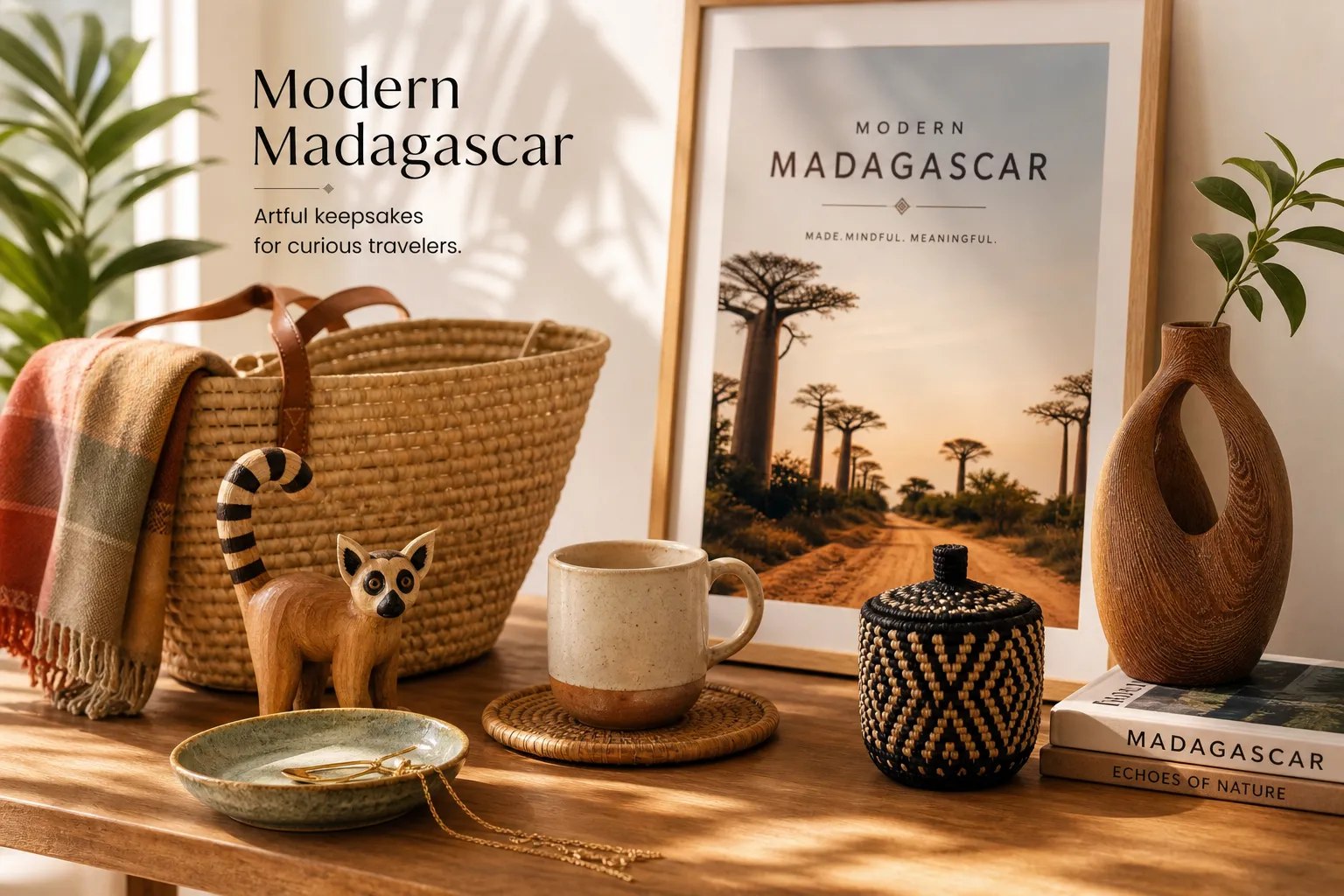
Many travelers admit that most souvenirs end up in a junk drawer within weeks. You know the ones: the plastic snow globe, the keychain with a name you can't find anyway, the miniature Eiffel Tower that somehow ended up in Madagascar's airport gift shop. Modern Madagascar keepsakes exist in a completely different category. They're designed to be used, worn, and talked about long after you've cleared customs. This article covers the shift happening in how Malagasy souvenirs are made and sold, the specific items worth your money in 2026, what each category costs, and where US buyers can find them, whether you're still on the Red Island or back home looking for a piece of it.
How souvenir culture shifted from trinkets to design-led keepsakes
The problem with mass-produced travel trinkets
Walk through almost any tourist market in the world and you'll find the same shelf: uniform keychains, resin figurines, and branded merchandise that looks identical whether you're in Bangkok or Bordeaux. These items share one trait: they prove you were somewhere, but they don't say anything about the place itself. Many modern travelers have started rejecting this formula. The purchase decision has changed, and shoppers now ask a more demanding question before buying: "Would I actually use this at home?"
Why design-led merchandise is winning the souvenir market
Consumer behavior in the travel goods space has shifted noticeably toward lifestyle merchandise, graphic apparel, and design-forward everyday goods. Destination-specific brands now treat cultural identity as a design brief rather than a decorative afterthought. This isn't about choosing between craft authenticity and modern aesthetics, the best keepsakes deliver both. A well-designed graphic hoodie rooted in genuine Malagasy culture is simply more useful than a mass-produced trinket. It lasts longer, travels better, and actually gets worn in the real world.
Why Madagascar is the ideal case study for this shift
A biodiversity that begs to be worn and displayed
Madagascar's unique biodiversity, lemurs, baobabs, chameleons, and the layered landscapes of the Red Island, gives designers genuinely distinctive creative material to work with. Most travel destinations struggle to produce a souvenir with a recognizable visual signature. Madagascar doesn't have that problem. The island's biological uniqueness translates directly into visual personality, which is exactly why Malagasy-themed keepsakes tend to have more character than souvenirs from most other destinations.
How shops like KissMada are redefining what a Madagascar souvenir can be
KissMada is a clear example of the new wave of Madagascar-inspired merchandise. Rather than stopping at traditional handicrafts, KissMada built a full lifestyle product line, graphic tees, hoodies, mugs, notebooks, blankets, accessories, and home goods, all rooted in authentic Malagasy cultural and wildlife themes. The production uses modern printing and embroidery techniques, including DTG printing, sublimation, and all-over print methods designed to hold up over time. The shop ships directly to US customers with real-time order tracking, making it genuinely easy to get modern Madagascar keepsakes delivered to your door.
The materials behind authentic Malagasy keepsakes and what they cost
Natural fibers, handmade paper, and carved wood: the accessible tier
Three categories dominate the accessible end of the market: raffia goods, Antemoro handmade paper products, and Zafimaniry-style wood carvings. Raffia bags, baskets, hats, and placemats are woven from a natural palm fiber native to Madagascar, authentic pieces show slight irregularities in the weave that confirm handwork. Antemoro paper is made from bark and embedded with pressed flowers and plants; look for notebooks, greeting cards, and lampshades in this material. Small Zafimaniry-style carvings show visible hand-tool marks and natural wood grain rather than machine-smooth finishes.
On price, raffia pieces for Malagasy artisan gifts generally run $10, $120 depending on size, complexity, and whether you're buying at an open market or a boutique. Small carvings sit in the modest mid-range at open markets, and Antemoro paper goods are lightweight and very affordable, often $1, $15 for cards and notebooks.
Gemstones, zebu horn, and recycled metal: when price goes up
Madagascar is one of the world's notable sources of semi-precious stones: rose quartz, labradorite, amethyst, and others. Small polished gemstone pieces generally run $5, $30, while larger or more refined jewelry-quality items sit higher. Zebu horn crafts, including figurines and decorative items, represent a uniquely Malagasy material tradition. Recycled tin and wire crafts are on the affordable end of the metal category and make compact, conversation-starting gifts. For gemstones and certified wood items, ask the seller for paperwork showing where the materials came from, a trustworthy shop will have it ready.
15+ modern Madagascar keepsakes worth bringing home
Wearables and everyday design goods
This is the category that holds up best in everyday life. Madagascar-themed graphic tees, hoodies, sweatshirts, and accessories from shops like KissMada let you carry the Red Island with you in New York, Washington D.C., or anywhere else without looking like you raided an airport gift shop. Lemur graphic tees are a standout, the imagery is bold, the connection to Madagascar is unmistakable, and they spark conversations that a keychain never would. For a more traditional wearable, a lamba wrap (Madagascar's handwoven textile) is culturally significant, lightweight to pack, and genuinely beautiful.
KissMada's product range runs from patches at $8.95 to larger home items at $43. That spread makes these Madagascar keepsakes realistic for both personal use and gift-giving, you can order a lemur hoodie for yourself and a Madagascar-themed mug for a friend without blowing your travel budget.
Artisan crafts with contemporary appeal
The artisan tier is where hand-carrying pays off. A medium raffia tote, a botanical Antemoro journal, a carved rosewood box, and a zebu horn figurine are all small enough to pack in carry-on luggage and immediately recognizable as Malagasy artisan gifts. These are the items that Antananarivo's Digue Artisan Market specializes in: a large selection across many stalls, with local artisan vendors and room to negotiate on price. Lisy Art Gallery in Tana is worth visiting for a more curated selection, and Is'Art Galerie is the right stop if you want contemporary Malagasy art rather than standard souvenir market goods.
Edible gifts, natural beauty, and gemstone finds
Madagascar vanilla is world-class, and a bundle of pods is one of the most universally appreciated gifts you can bring home. Pair vanilla with a spice bundle of cloves, cinnamon, and pepper and you have a gift set that actually gets used. Essential oils and coconut-oil beauty products round out the sensory category and are compact enough to pack easily. For a higher-end keepsake, a small polished gemstone from a reputable boutique is elegant, personal, and genuinely distinctive.
- Vanilla pods and spice bundles (cloves, cinnamon, pepper)
- Ylang-ylang or coconut-oil essential oil products
- Small polished rose quartz, labradorite, or amethyst pieces
- Recycled tin or wire crafts
- Baobab seed keepsakes
Where to find modern Madagascar keepsakes: from Tana markets to US-friendly online shops
The best markets and galleries in Antananarivo
If you're currently in Madagascar, three Antananarivo spots are worth your time. The Digue Artisan Market offers the widest selection and direct interaction with local vendors, bargaining is standard practice here, and it's part of the experience. Lisy Art Gallery on Rue V.V.S. is the most reliable single-stop shop for handcrafted Madagascar travel souvenirs, including zebu horn marquetry, ceramics, and embroidery. Is'Art Galerie in Ampasanimalo caters to travelers who want contemporary Malagasy art rather than typical souvenir market fare. Boutiques charge more than market stalls, but quality assurance is significantly better.
The best online option for US buyers: where KissMada leads
KissMada is the primary recommendation for US-based buyers who want modern Madagascar keepsakes without navigating international shipping complexity. The shop offers design-forward graphic merchandise, ships directly to US addresses with real-time order tracking, and prices products accessibly from $8.95 to $43. For traditional handicrafts specifically, Maison de Madagascar ships worldwide and focuses on handmade artisan goods, giving buyers a secondary option for that category. For lifestyle merchandise you'll actually wear and use day-to-day, KissMada is where to start.
How to verify authentic sourcing and get your keepsakes home safely
Spotting genuine Malagasy artisan work
A few authenticity signals are worth checking before you buy. Look for handmade irregularity first: slightly uneven raffia weave, natural variation in wood grain, and visible hand-tool marks are all signs of genuine artisan work. Ask where the materials came from, authentic Malagasy crafts use raffia, local woods, zebu horn, and natural fibers, not imported resin or synthetic-feeling materials. For gemstones and certified wood items, ask the seller for paperwork showing where the materials came from. Items that look perfectly uniform and are priced suspiciously low are usually machine-made imports, not local craft.
Packing and shipping tips for fragile and food-based keepsakes
Wood carvings and ceramic pieces travel best wrapped in soft clothing inside your checked bag. Vanilla pods and spice bundles should go in sealed zip-lock bags, also in checked luggage, it's worth checking US customs rules for food products before you depart. Gemstones are compact and easy to carry, but keep receipts accessible in case customs asks questions. For buyers who shop through KissMada, much of this hassle disappears: the shop ships directly to US addresses with order tracking, so you can skip the packing calculation entirely. That said, verify current shipping terms and any applicable duties at checkout, as policies can vary.
The keepsake that actually means something
Today's Malagasy keepsakes are no longer a compromise between authenticity and style. The Red Island's rich material culture and singular visual identity make it one of the most compelling places in the world to find a souvenir that holds its meaning long after the trip is over. Whether you're carrying a raffia bag from the Digue market, a polished gemstone from a Tana boutique, or wearing a lemur graphic tee ordered from KissMada's online shop, the decision is the same: choose something that reflects your actual connection to this extraordinary island. That's what a real keepsake does.
Related posts
-
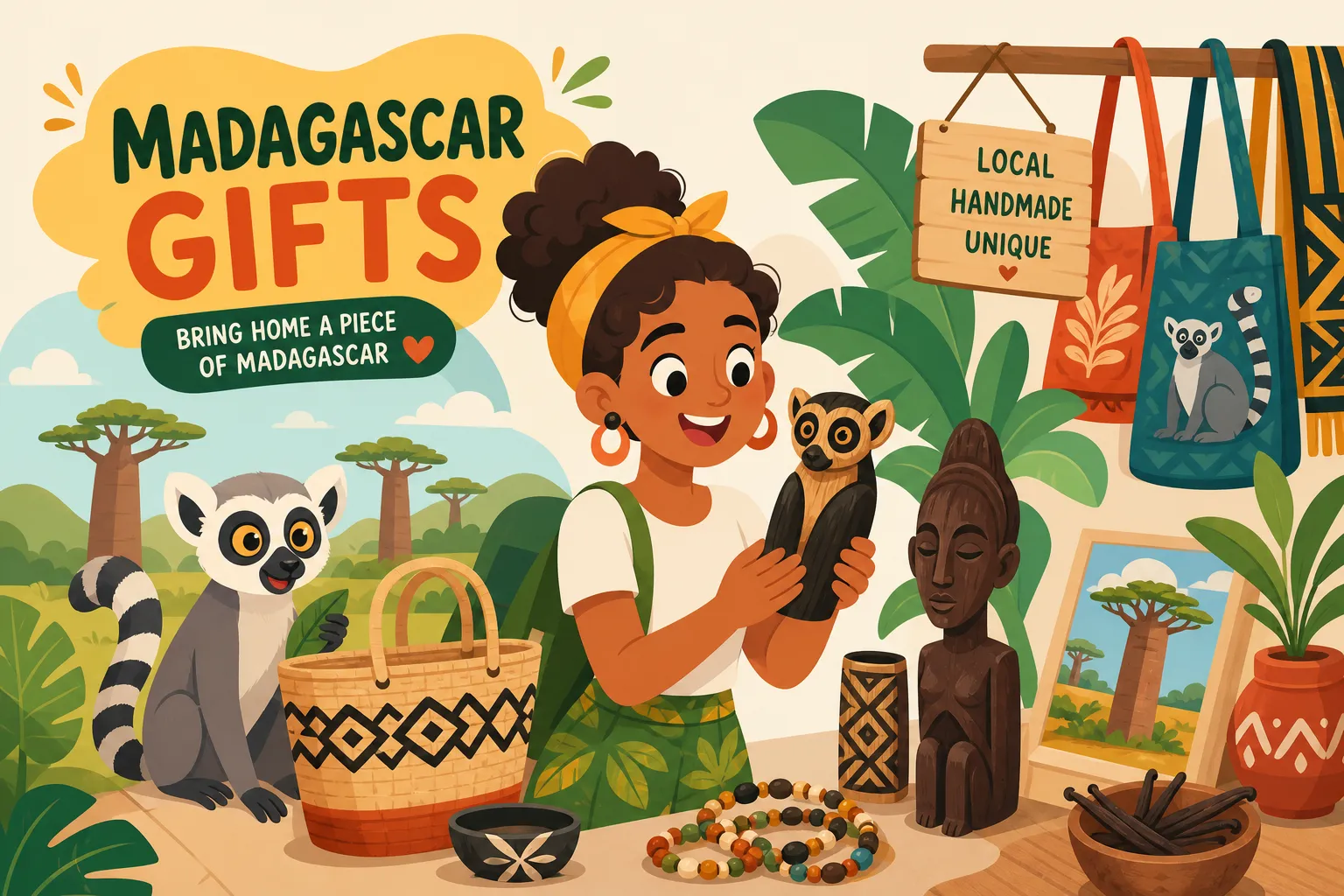 Madagascar Gifts: What to Buy and Where to Find Them
You're searching for Madagascar gifts and the options feel all over the place. On one end, you've got DreamWorks...Read more
Madagascar Gifts: What to Buy and Where to Find Them
You're searching for Madagascar gifts and the options feel all over the place. On one end, you've got DreamWorks...Read more -
 African Island Souvenir Comparison: Which Is Best?
Picture this: you're standing in a crowded market stall, surrounded by carved figurines, spice packets, printed...Read more
African Island Souvenir Comparison: Which Is Best?
Picture this: you're standing in a crowded market stall, surrounded by carved figurines, spice packets, printed...Read more -
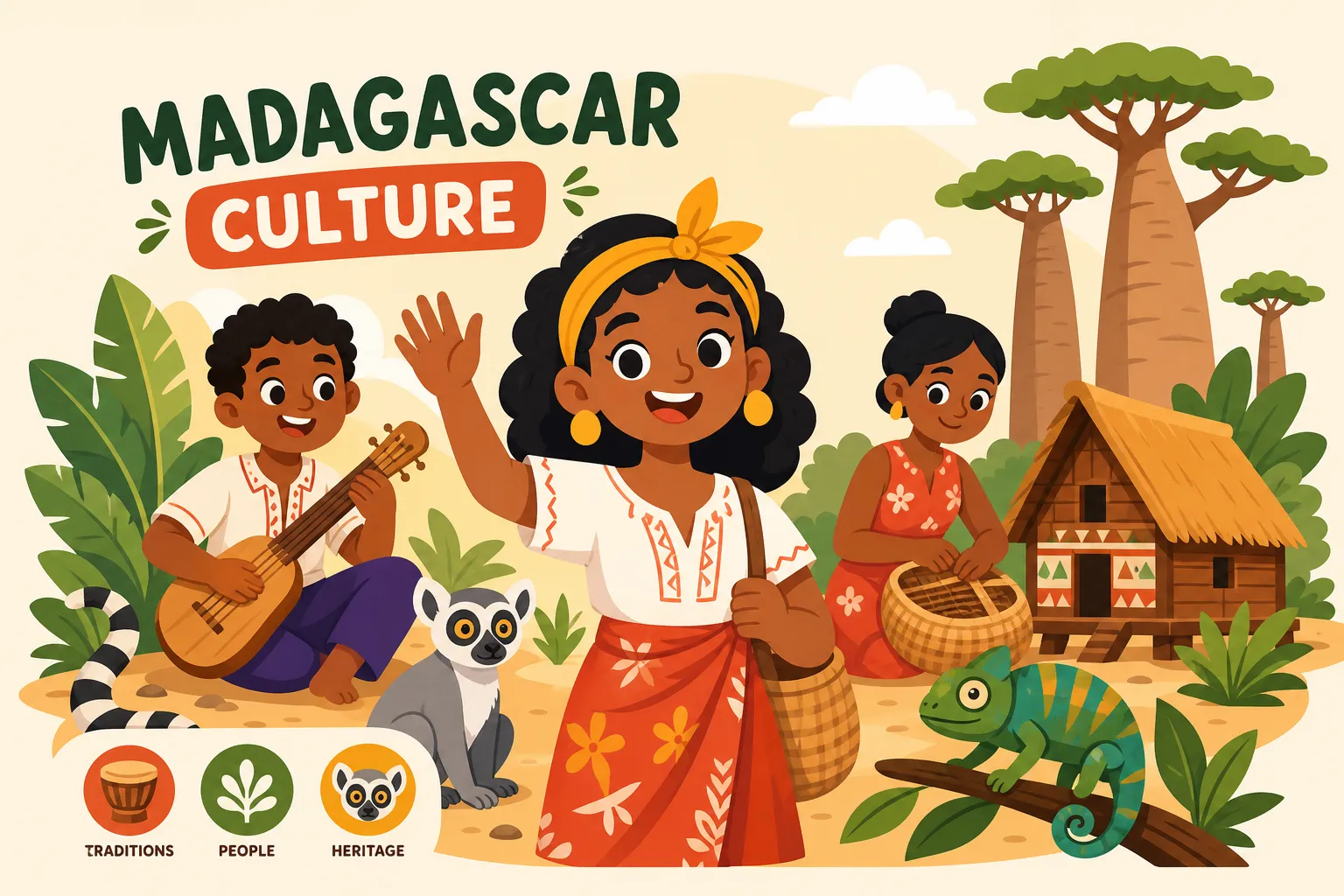 Madagascar Culture Explained for Beginners
Whether you're packing a bag for Antananarivo, writing a research paper, or trying to reconnect with roots you grew...Read more
Madagascar Culture Explained for Beginners
Whether you're packing a bag for Antananarivo, writing a research paper, or trying to reconnect with roots you grew...Read more -
 Understanding Madagascar Traditions as an Outsider
Madagascar traditions run deeper than most outsiders expect. Rather than a checklist of cultural facts you skim...Read more
Understanding Madagascar Traditions as an Outsider
Madagascar traditions run deeper than most outsiders expect. Rather than a checklist of cultural facts you skim...Read more -
 What to Gift a Malagasy Expat Living in the US ?
There's a specific kind of ache that comes with living far from the island you grew up on. It's not dramatic or...Read more
What to Gift a Malagasy Expat Living in the US ?
There's a specific kind of ache that comes with living far from the island you grew up on. It's not dramatic or...Read more
Leave a comment