 KissMada, your online Madagascar souvenir shop



Something has shifted in how people shop for cultural identity online, and it's not subtle. Cultural merchandise...
Latest posts
-
 Why Cultural Merchandise Online Is Booming in 2026Read more
 -
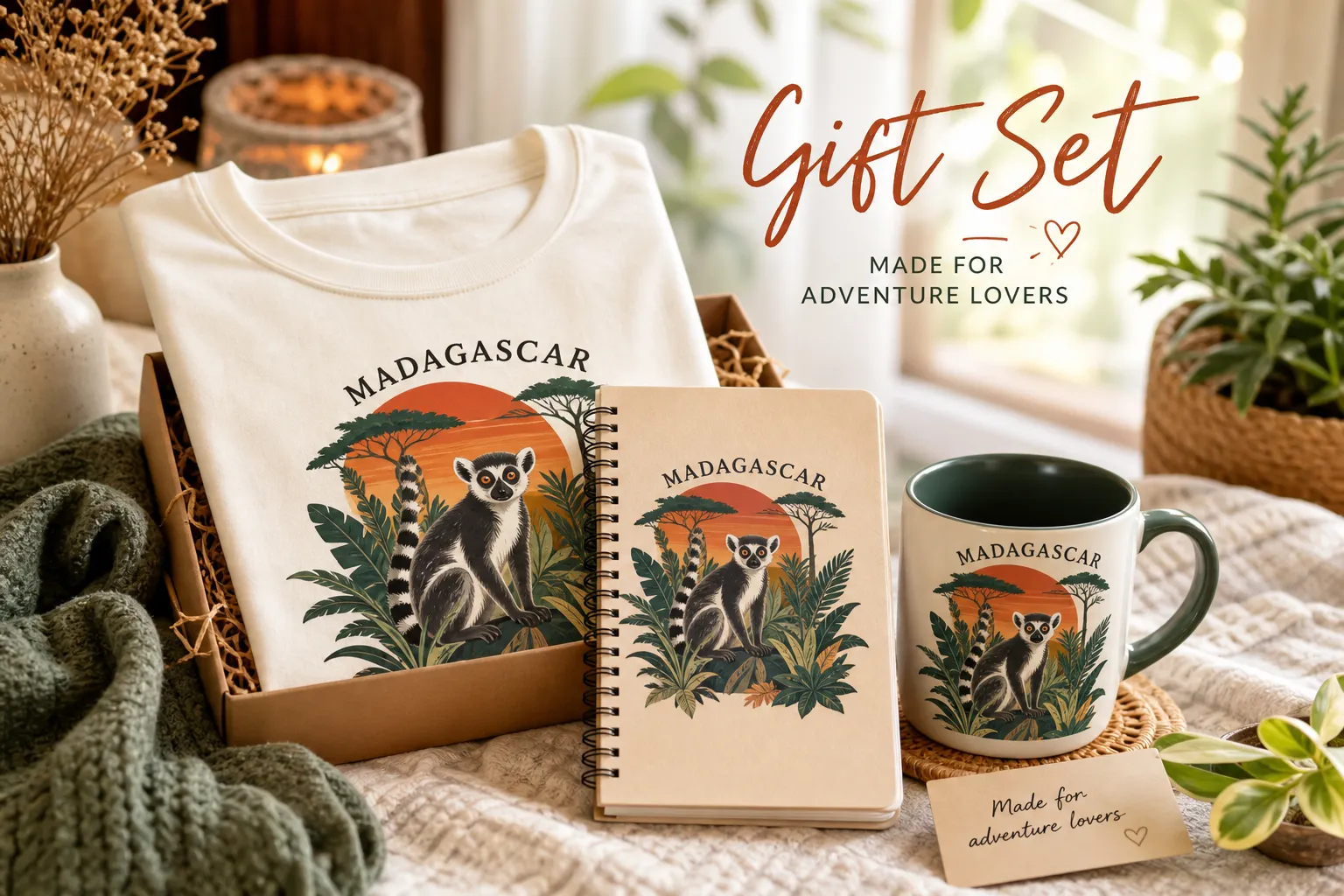 Madagascar Mug, Notebook & Shirt: The Perfect Gift SetRead more
Most Madagascar gifts end up in a drawer. The fridge magnet loses its novelty by week two. The framed photo blends...
-
 Best Everyday Madagascar Gifts People Will Actually UseRead more
The carved zebu looks great on the shelf for about a week. Then it gets pushed to the back, buried behind a candle...
-
 How to Find the Best Homeland Gifts Online StoreRead more
If you're hunting for a homeland gifts online store that actually feels authentic, this guide will help you find one...
-
 Best Diaspora Online Souvenir Shops to Know in 2026Read more
Most people searching for authentic homeland souvenirs online hit the same wall fast: generic platforms stuffed with...
-
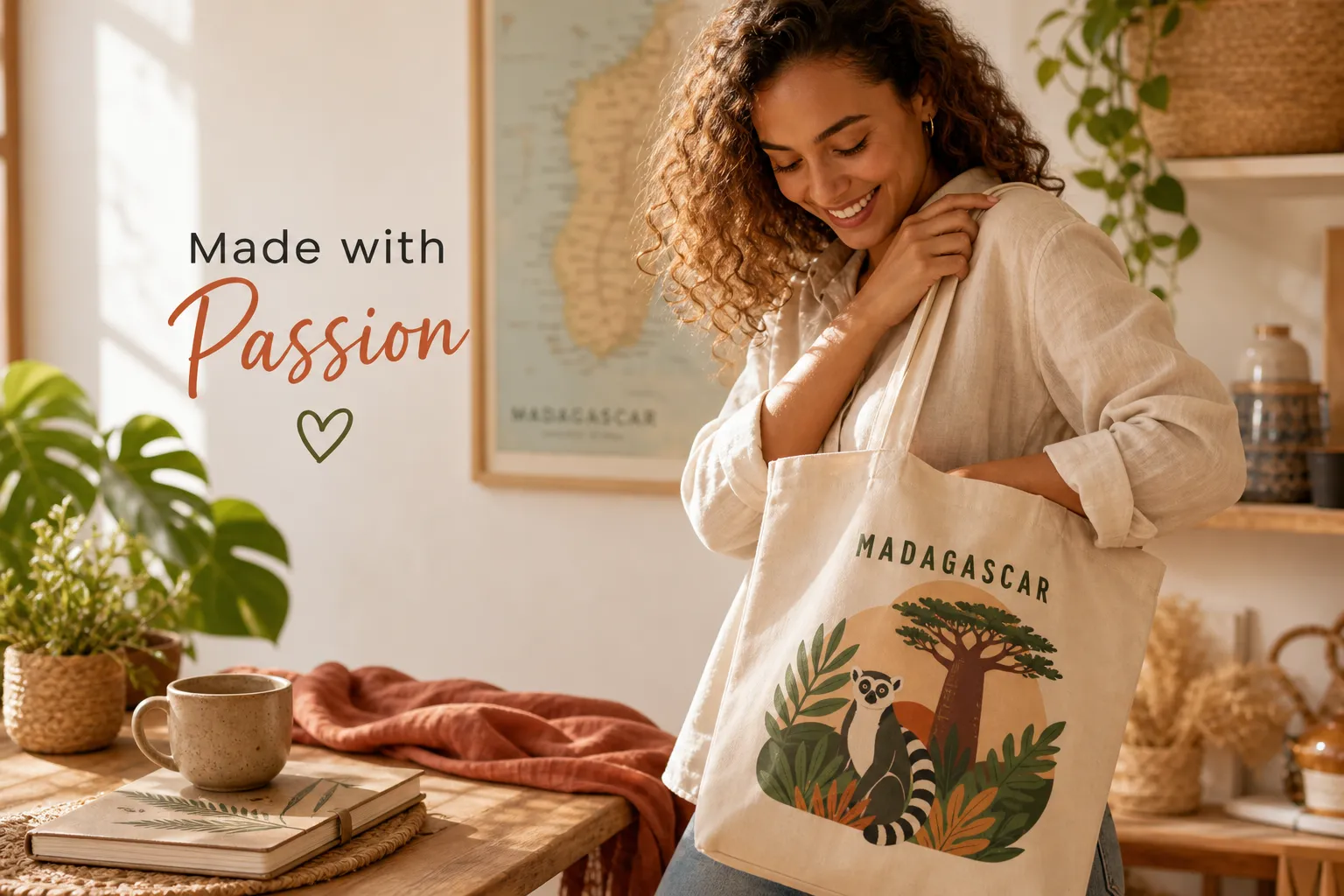 Madagascar Lifestyle Products: Wear Your Passion DailyRead more
A mug on your desk. A hoodie you reach for on a cold Tuesday morning. A tote bag that goes everywhere. These aren't...
-
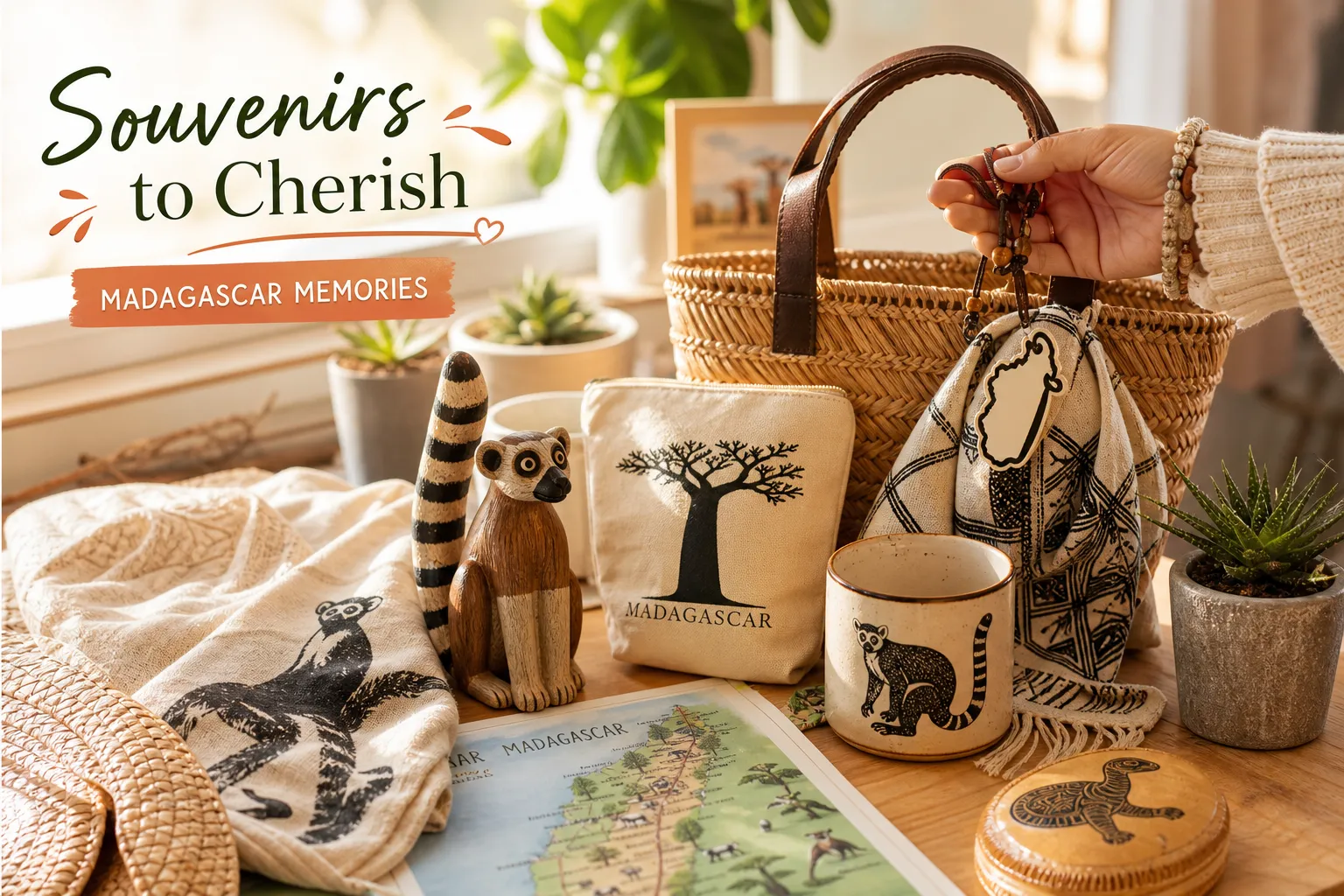 Best Souvenir Ideas After a Madagascar TripRead more
You're back. The humidity is gone, the lemurs are a memory, and you're standing in your living room holding a raffia...
-
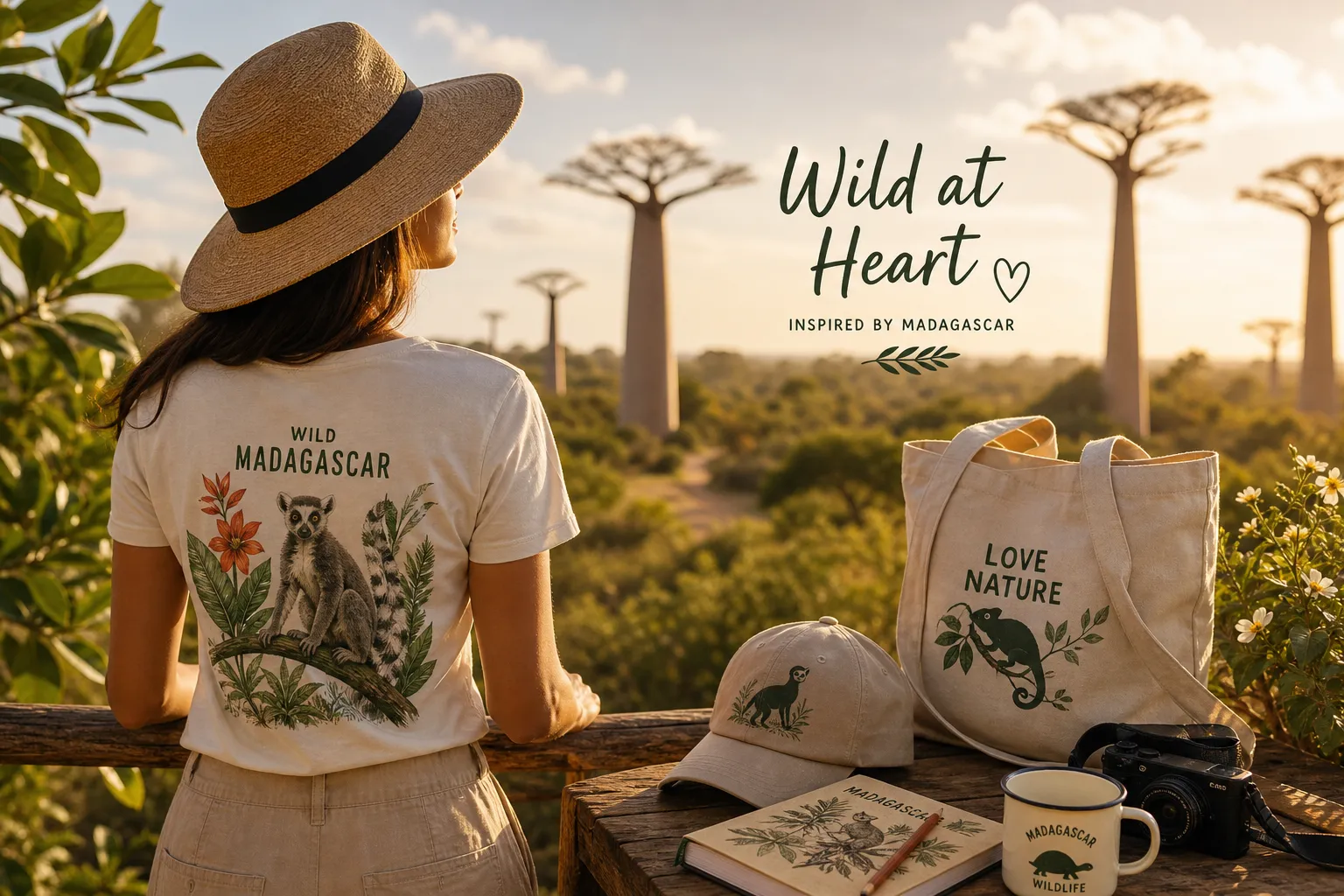 Madagascar Wildlife Apparel: A Guide for Nature LoversRead more
Many Madagascar animal shirts on the market share the same problem: generic stock art, forgettable prints, and no...
-
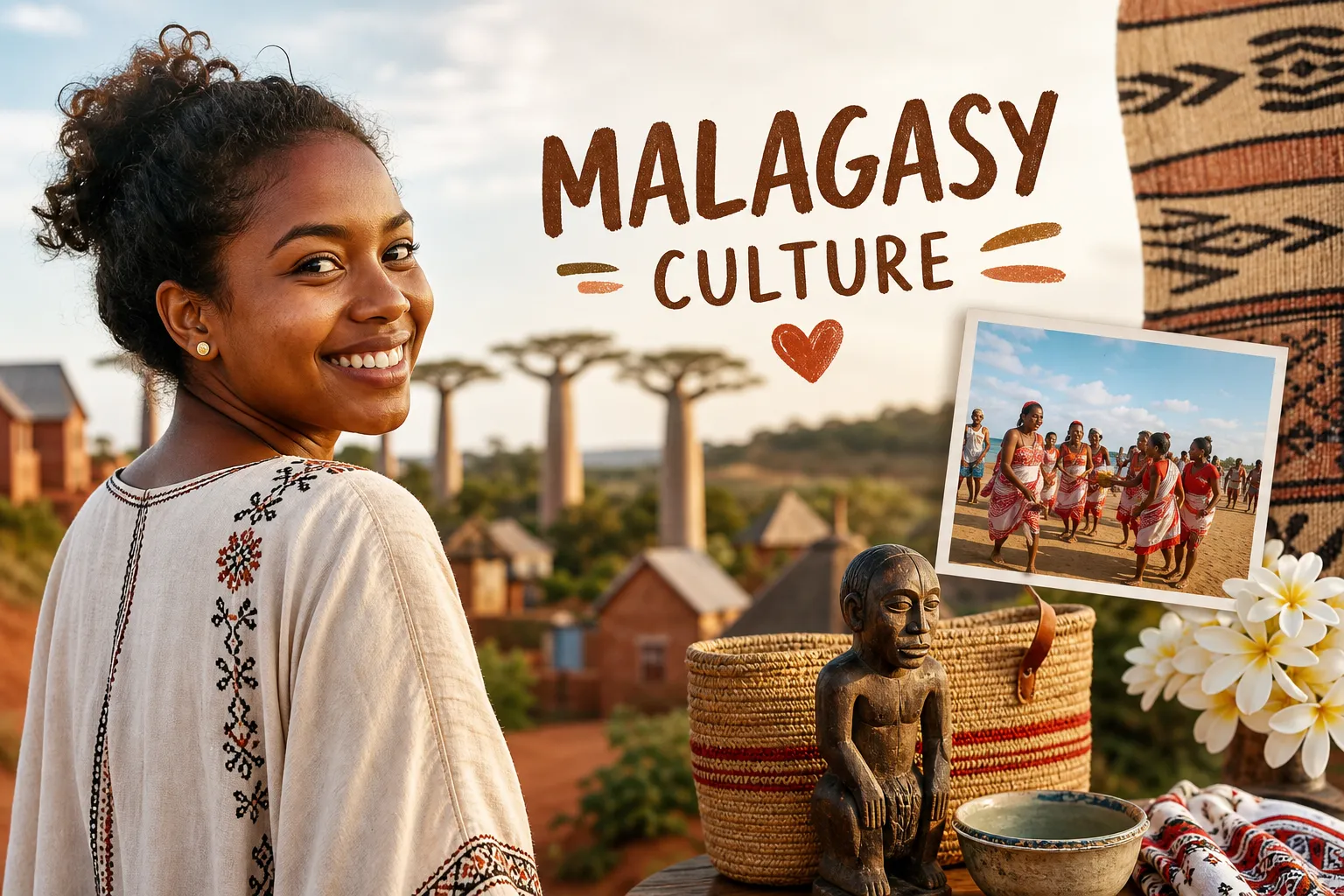 15 Malagasy Culture Facts That Will Surprise YouRead more
Many Americans know Madagascar through the DreamWorks animated film of the same name. The real island is something...
-
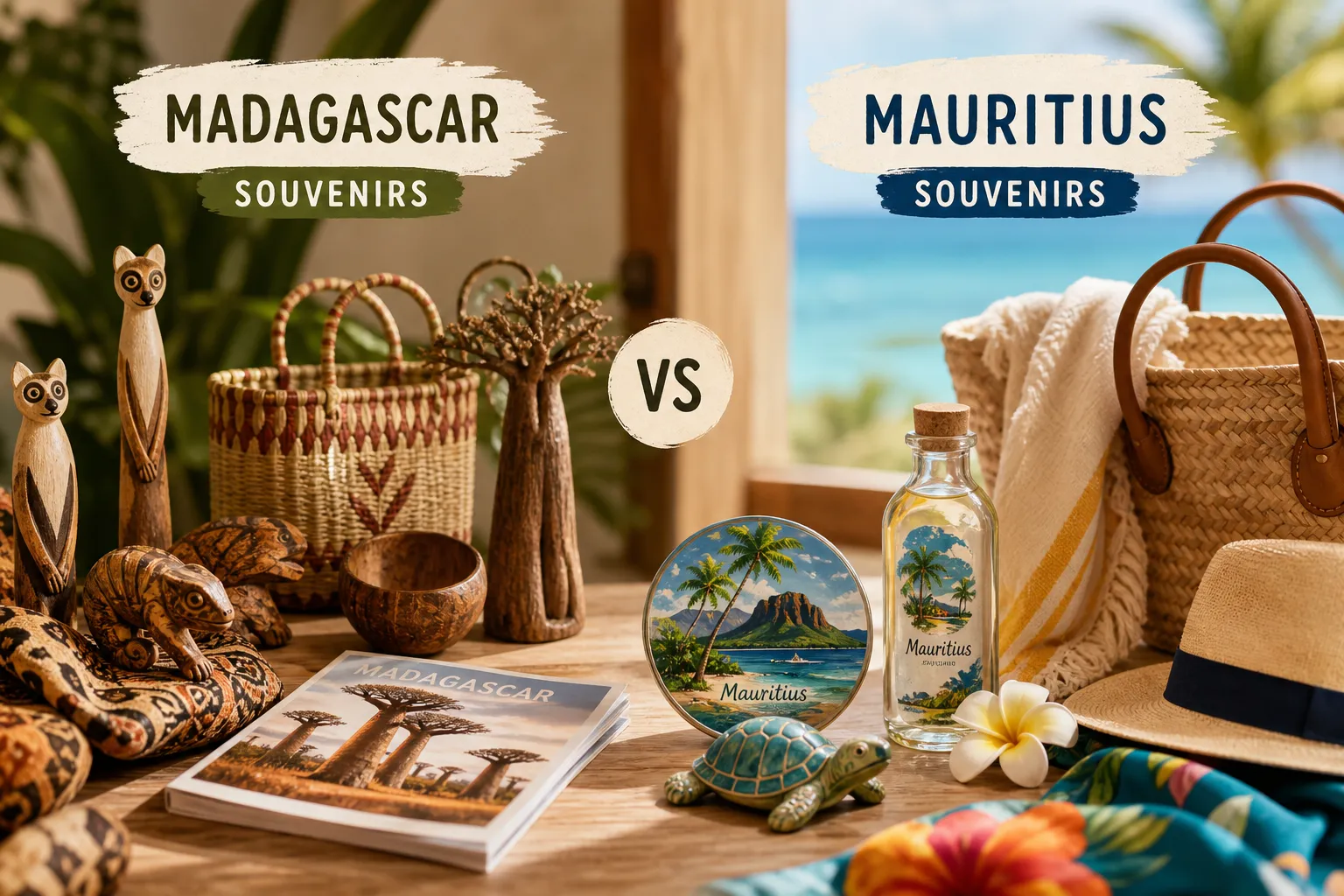 Madagascar vs Mauritius Souvenirs: Key DifferencesRead more
When comparing Madagascar vs Mauritius souvenirs, most travelers are surprised by how little overlap there actually...
Blog categories
Search in blog
Archived posts
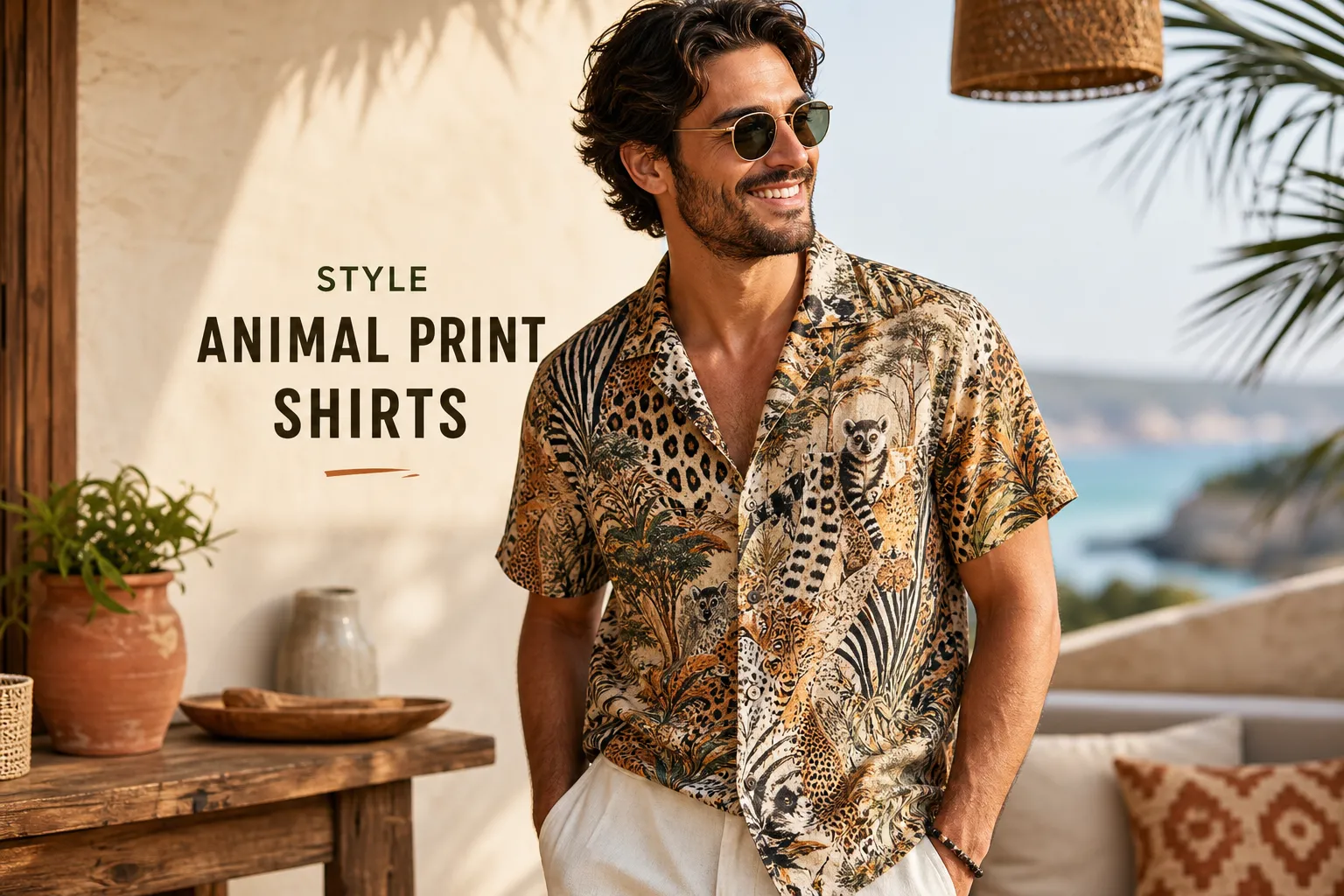
How to Style Madagascar Animal Print Shirts
Most people wearing "animal print" are wearing something no actual animal ever looked like. Vague leopard spots on stretch fabric, abstract zebra stripes on fast-fashion basics, tiger patterns rendered in colors tigers don't come in. Madagascar animal print shirts are a different thing entirely, because the island's wildlife is so visually unlike anything else on earth that the graphic does the work for you. The ring-tailed lemur, the panther chameleon, the fossa, these aren't generic safari motifs borrowed from a mood board. They're design-ready creatures with striking color contrast, unusual silhouettes, and zero overlap with what you'd find on a typical rack.
That distinctiveness is exactly what drew KissMada to build its entire collection around Madagascar wildlife art. The idea is simple: a shirt can look genuinely original without trying too hard when the source material is this visually strong. This guide covers why these animals translate so well to fabric, how to tell quality prints from throwaway tourism tees, and how to wear them without looking like you just stepped off a tour bus.
Why Madagascar's wildlife hits differently on a shirt
Madagascar's biodiversity is one of the great design accidents in natural history. About 90% of its wildlife exists nowhere else on earth, and through isolation, evolution produced animals with unusually graphic qualities: high-contrast markings, bold color, and distinctive silhouettes that read clearly even at small print sizes. That's not a common combination. Most animals that read well from a distance are either too generic (think brown deer) or too detailed to translate cleanly to fabric. Madagascar's signature species hit a visual sweet spot that makes them ideal for tropical animal print shirts.
The ring-tailed lemur as a ready-made graphic
The ring-tailed lemur may be the single most graphic-ready animal in the world. Its tail has 13 alternating black-and-white bands ending in a black tip, which lemurs hold upright in a posture that already reads like a design emblem or flag. Add the black-and-white face mask, amber eyes against white fur, and a reddish-brown body, and you have an animal where the pattern alone communicates "lemur" without needing a label. That's genuinely rare. Most animals require context to identify from a stylized illustration; the ring-tailed lemur is self-explanatory.
This explains why the ring-tailed lemur dominates lemur print shirt designs across every marketplace. What separates a good ring-tailed lemur tee from a lazy clip-art version is whether the designer used those distinctive features with intention. Strong designs preserve the tail contrast, the face mask geometry, and the upright posture. Weak designs smooth everything into a generic cute-animal blob that loses the specificity that made the animal worth printing in the first place.
Chameleons and the color argument
Madagascar hosts more chameleon species than any other region on earth, and the panther chameleon is the one that dominates apparel illustration by a wide margin. The reason is chromatic drama: panther chameleons display vivid, variable coloration that functions almost like a color palette organized by evolution. A well-executed chameleon graphic tee on a dark base shirt can be genuinely striking in a way that a standard zebra print shirt can't match, because the colors are this specific and this unusual. It's less about silhouette than it is about pigment.
Chameleon designs work differently from lemur designs as a result. Where the lemur tee leads with shape and contrast, the chameleon tee leads with hue. This makes chameleons the second most popular Madagascar wildlife motif after lemurs. It also means a quality chameleon print requires a printer capable of accurate color reproduction, not just clean line work. When evaluating a chameleon print listing, look for rich gradient transitions and color fidelity across the full spectrum of the animal's display; flat or muddy tones are a reliable sign of inadequate color calibration.
The fossa and why the underdog animals matter
The fossa is Madagascar's apex predator. It's also an animal almost nobody outside the island knows exists, which is exactly what makes wearing it interesting. Physically, the fossa is sleek and catlike, a lean, reddish-brown mammal with a long tail, rounded ears, and a short, broad muzzle. The coat is mostly solid with minimal patterning, so fossa designs read through shape and color blocking rather than spots or stripes. Think puma energy, but smaller and considerably more obscure.
Wearing a fossa tee signals genuine knowledge of Madagascar, not just familiarity with the movie franchise. That's a real distinction among people who care about what their clothes communicate. The fossa is gaining traction as a design motif precisely because it's the less-obvious choice, the one that starts conversations rather than just registering as "something wildlife-related."
Authentic wildlife art vs. Madagascar movie t-shirts
A lot of shoppers searching for Madagascar-themed shirts run into a fundamental fork almost immediately: DreamWorks-licensed movie merch versus original wildlife illustration. They look related from a search results page but are very different products, and buying the wrong one is easy if you're not paying attention.
How to spot licensed franchise merchandise
Official Madagascar movie merchandise carries the DreamWorks copyright mark and uses character names: Alex, King Julien, Melman, Gloria, Mort. The visual style is cartoon rendering, not naturalistic or graphic-art illustration. These items appear most commonly at mainstream retailers, large department stores, and franchise merchandise shops. They're officially licensed and perfectly legal, they're just selling the movie, not the island.
Why original wildlife graphic designs wear better long-term
Movie franchise shirts date quickly. After a few years, they read as nostalgia pieces or costume components rather than everyday apparel choices. An original lemur graphic rooted in the actual animal reads as a nature graphic, full stop. It stays relevant the same way a quality botanical print does, because its reference point is the natural world rather than a specific cultural moment. This distinction matters for gifting, too: a wildlife tee feels curated and intentional; a franchise tee reads as fan merch, which is either exactly right or completely wrong depending on who you're buying for.
This is where KissMada's design philosophy fits cleanly. The collection centers on Madagascar's real fauna and cultural identity, not animated characters, which means the apparel operates as everyday wear without the expiration date that comes with franchise licensing.
Fabric and print method: what separates a quality Madagascar animal print shirt from a throwaway
The fabric-and-print combination is the single biggest factor in whether a Madagascar shirt still looks sharp after 40 washes or starts cracking after five. You don't need a deep dive into textile science, but a basic framework helps you shop smarter.
Cotton vs. polyester and what it means for your print
100% cotton gives a natural, breathable feel and takes DTG ink well for detailed, soft-hand designs. It can shrink. Polyester holds its shape, dries fast, and is the required substrate for sublimation printing, but it feels more synthetic against the skin. Cotton-polyester blends split the difference and are the most common base for everyday lemur & wildlife apparel. Match fabric choice to use case: casual daily wear leans cotton or cotton-blend; athletic or all-over tropical animal print shirts lean polyester for sublimation compatibility.
DTG, sublimation, and screen print: quick breakdown
DTG (direct-to-garment) is best for detailed, multi-color wildlife illustrations on cotton. The ink absorbs into the fibers, producing a soft print with strong detail. Industry guidance puts well-cured DTG prints at 30 to 50 wash cycles under proper care, with quality varying based on pretreatment and washing habits. Sublimation bonds the dye directly into polyester fibers rather than sitting on top, which makes it extremely durable, often described as lasting the life of the garment. On polyester, sublimation typically holds well past 60 washes. Screen printing produces a slightly thicker ink layer that sits on the fabric surface, works well for bold limited-color designs, and holds up strongly across wash cycles on cotton and blends.
KissMada uses DTG, DTF, and sublimation across its collection. That combination covers detailed wildlife illustration on cotton-based shirts and vibrant all-over prints on polyester styles, which is why the graphics hold both detail and color through repeated washing.
How to style Madagascar animal print shirts
The most common mistake with graphic wildlife tees is over-thinking the outfit. Madagascar animal print shirts work because the print does the heavy lifting. The styling job is mostly about not competing with it, and 2026 streetwear trends support exactly that approach: let the graphic be the focal point, and build the rest of the look from simple, quiet staples.
Casual everyday looks that don't read as tourist
Ground a lemur print shirt or chameleon tee in neutral bottoms: straight-leg jeans, chinos, linen shorts in a solid color. Low-profile sneakers or sandals. The print is the statement; everything else should be quiet. Most Madagascar wildlife graphics use earthy greens, warm reds, or high-contrast black-and-white, so let the shirt's dominant color anchor the palette rather than introducing a competing hue. An oversized fit with relaxed denim and clean sneakers is the most on-trend formula in 2026 and also the one that lets a strong graphic breathe.
The tourist mistake looks like this: a bold Madagascar wildlife tee paired with cargo shorts, hiking sandals, and a fanny pack. That combination turns a well-designed tee into a costume. The tee itself isn't the problem; the surrounding outfit is actively working against it.
Statement and travel-inspired styling
For a more intentional look, Madagascar animal print shirts work naturally as a resort or travel piece: over a swimsuit, with linen trousers, or as a lightweight layer over a solid tank in a warm climate. A tropical wildlife graphic doesn't need justification in a beach or island-adjacent context, it reads as part of the environment. For a higher-low contrast, pairing a wildlife tee with tailored pants or a refined skirt is gaining real traction in 2026 styling. The graphic supplies personality while the bottom half provides structure.
What not to pair with a bold wildlife print
Don't layer competing prints or load up on heavily branded accessories, both pull focus from the tee. Skip over-styled elements that fight with the shirt for attention. A well-designed Madagascar shirt elevates a simple outfit on its own; everything around it should support that, not challenge it.
Where to find authentic Madagascar animal print shirts
With a clear picture of what makes a quality Madagascar shirt, the options are easier to navigate. The choices range from broad marketplaces to curated brand stores, and each has tradeoffs worth understanding.
Print-on-demand platforms and marketplace options
Etsy hosts independent Madagascar-themed artists with lemur tees typically running between $12 and $30, though quality varies widely across listings. Redbubble and TeePublic offer a broad range of Madagascar wildlife shirts by independent artists at roughly $18 to $35, with no curation filter on design quality or authenticity. Zazzle and Spreadshirt exist in similar territory. The common tradeoff across all of these: you gain variety and sometimes very low prices, but you lose editorial judgment. There's no guarantee of print quality, design authenticity, or brand coherence. Finding the right listing on Etsy can take real time and still end in disappointment when the actual product arrives.
KissMada: curated, graphic-forward, and built specifically for Madagascar lovers
KissMada isn't a platform where any artist can upload a lemur doodle. It's a brand with a specific design vision built around authentic Madagascar wildlife and cultural identity, which means every product in the collection reflects a consistent standard rather than marketplace randomness. The designs draw directly from Madagascar's real fauna and character, not franchise aesthetics or rushed clip art. Print methods include DTG and sublimation for consistent quality across the collection. Price range sits between $8.95 and $43, which puts shirts at accessible gift-and-keepsake pricing without sacrificing print technique.
For anyone who wants a Madagascar wildlife tee that holds up both visually and physically, KissMada is the curated shortcut that replaces an hour of scrolling with a collection that's already done the editing for you. The shop serves the full range of Madagascar enthusiasts: expats, travelers, wildlife lovers, and gift shoppers who want something that actually looks intentional.
The bottom line
Madagascar animal print shirts work because the island's wildlife is genuinely unlike anything else in the world, and the best designs let that fact speak for itself. A ring-tailed lemur graphic isn't trying to be exotic. It is exotic, factually and visually. The same is true for a panther chameleon tee or a fossa design. The styling job becomes simple once you understand that the shirt is already doing the creative work.
The practical takeaway: decide whether you want licensed movie merch or authentic wildlife art, choose a shirt with the right fabric-print combination for how you'll wear it, and don't compete with the graphic when you dress around it. If you want to skip the platform search and get straight to a Madagascar animal print shirt that looks intentional, wears well, and means something, KissMada's collection of Madagascar-themed wildlife shirts is the most direct route. Browse the collection and find the one that fits how you see the island.
Posted in:
Madagascar
Related posts
-
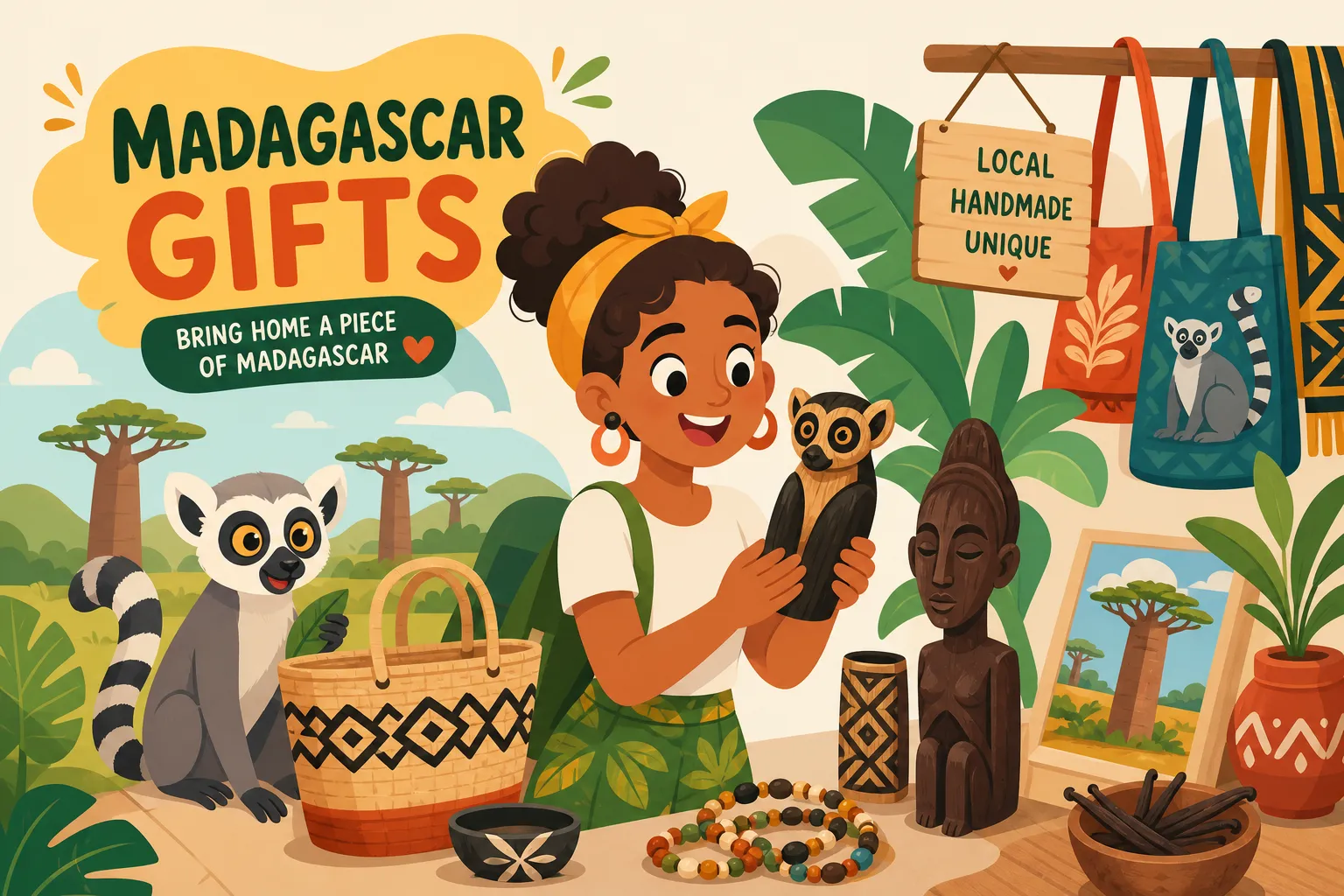 Madagascar Gifts: What to Buy and Where to Find Them
You're searching for Madagascar gifts and the options feel all over the place. On one end, you've got DreamWorks...Read more
Madagascar Gifts: What to Buy and Where to Find Them
You're searching for Madagascar gifts and the options feel all over the place. On one end, you've got DreamWorks...Read more -
 African Island Souvenir Comparison: Which Is Best?
Picture this: you're standing in a crowded market stall, surrounded by carved figurines, spice packets, printed...Read more
African Island Souvenir Comparison: Which Is Best?
Picture this: you're standing in a crowded market stall, surrounded by carved figurines, spice packets, printed...Read more -
 Madagascar Culture Explained for Beginners
Whether you're packing a bag for Antananarivo, writing a research paper, or trying to reconnect with roots you grew...Read more
Madagascar Culture Explained for Beginners
Whether you're packing a bag for Antananarivo, writing a research paper, or trying to reconnect with roots you grew...Read more -
 Understanding Madagascar Traditions as an Outsider
Madagascar traditions run deeper than most outsiders expect. Rather than a checklist of cultural facts you skim...Read more
Understanding Madagascar Traditions as an Outsider
Madagascar traditions run deeper than most outsiders expect. Rather than a checklist of cultural facts you skim...Read more -
 What to Gift a Malagasy Expat Living in the US ?
There's a specific kind of ache that comes with living far from the island you grew up on. It's not dramatic or...Read more
What to Gift a Malagasy Expat Living in the US ?
There's a specific kind of ache that comes with living far from the island you grew up on. It's not dramatic or...Read more
Leave a comment