 KissMada, your online Madagascar souvenir shop



Something has shifted in how people shop for cultural identity online, and it's not subtle. Cultural merchandise...
Latest posts
-
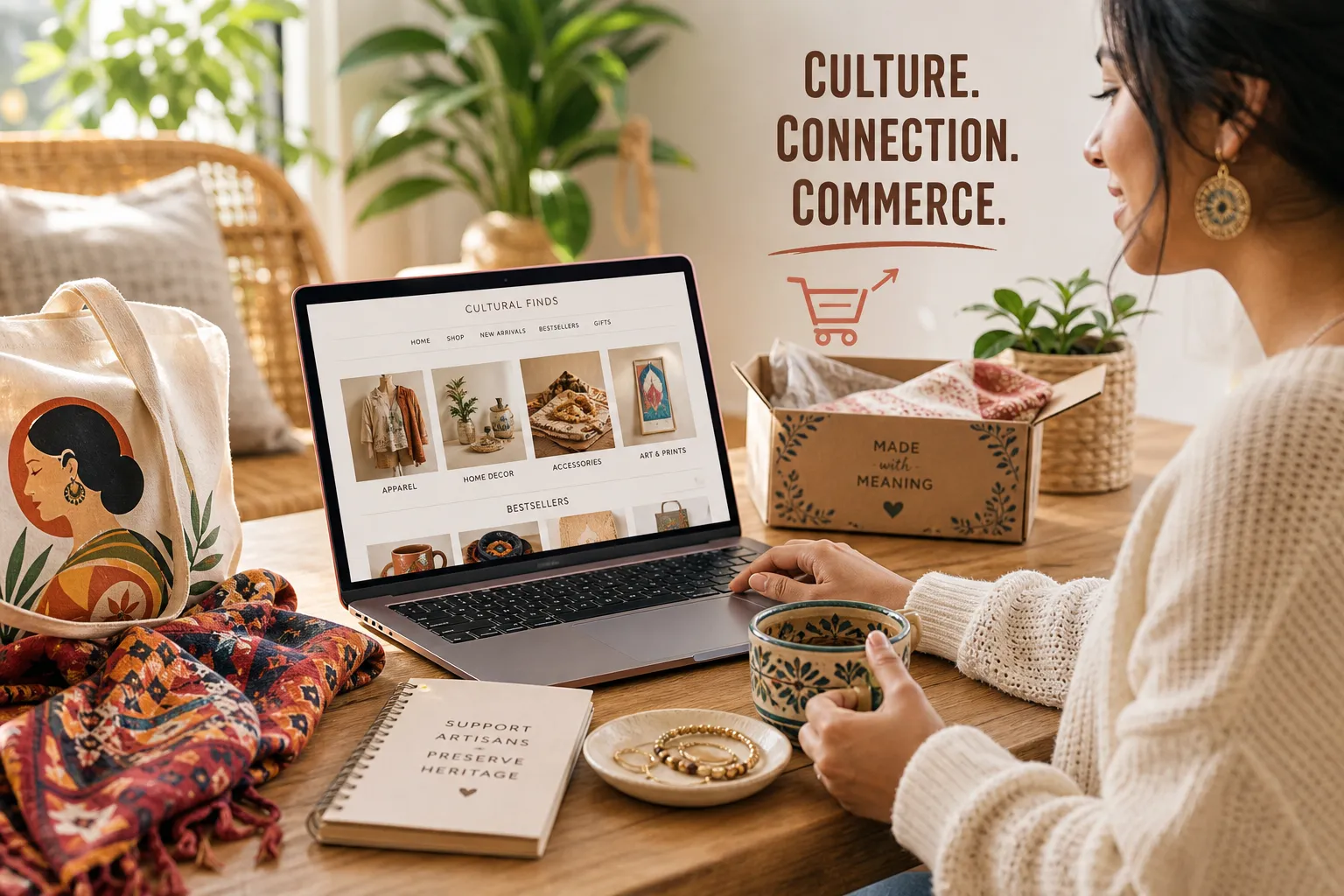 Why Cultural Merchandise Online Is Booming in 2026Read more
 -
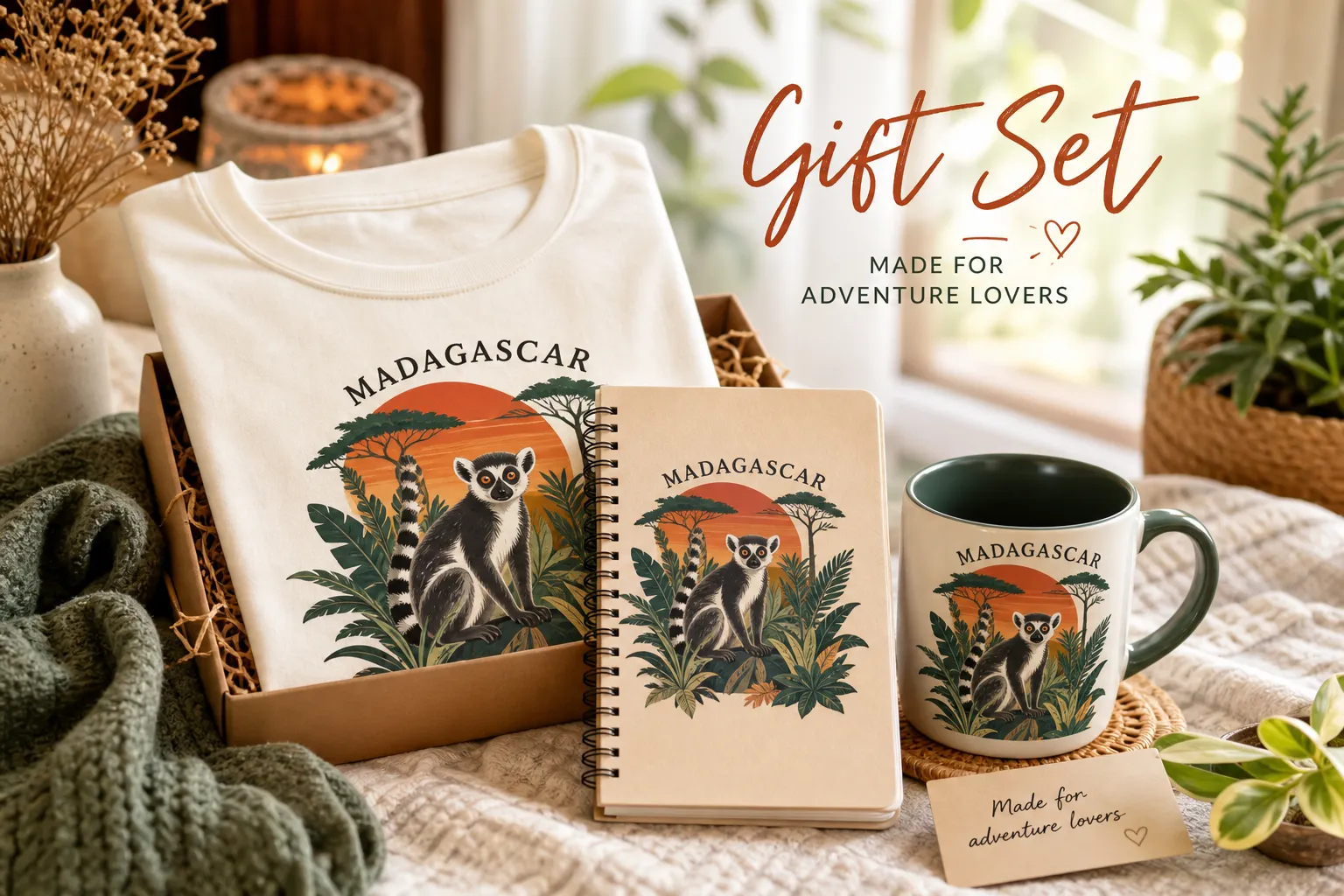 Madagascar Mug, Notebook & Shirt: The Perfect Gift SetRead more
Most Madagascar gifts end up in a drawer. The fridge magnet loses its novelty by week two. The framed photo blends...
-
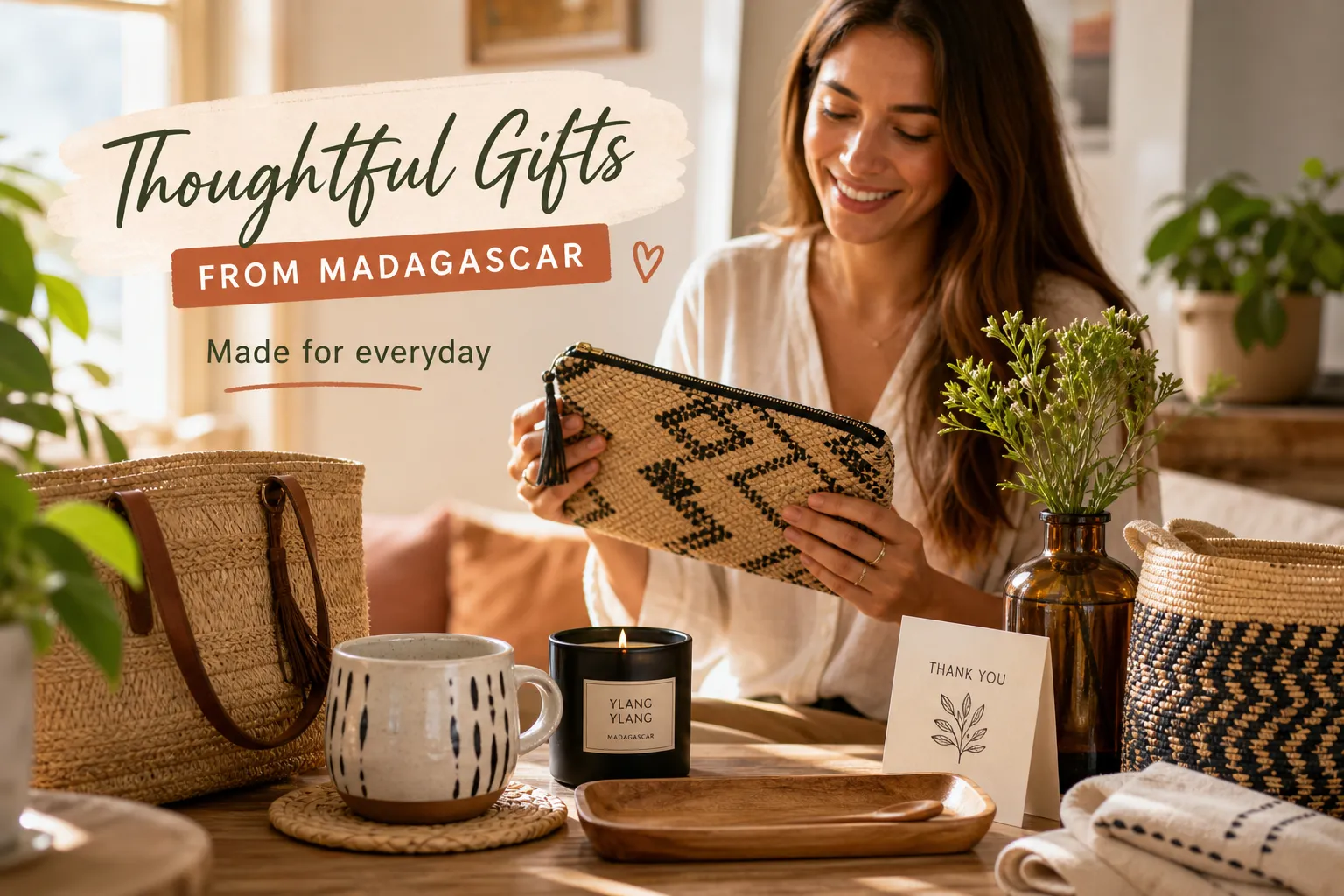 Best Everyday Madagascar Gifts People Will Actually UseRead more
The carved zebu looks great on the shelf for about a week. Then it gets pushed to the back, buried behind a candle...
-
 How to Find the Best Homeland Gifts Online StoreRead more
If you're hunting for a homeland gifts online store that actually feels authentic, this guide will help you find one...
-
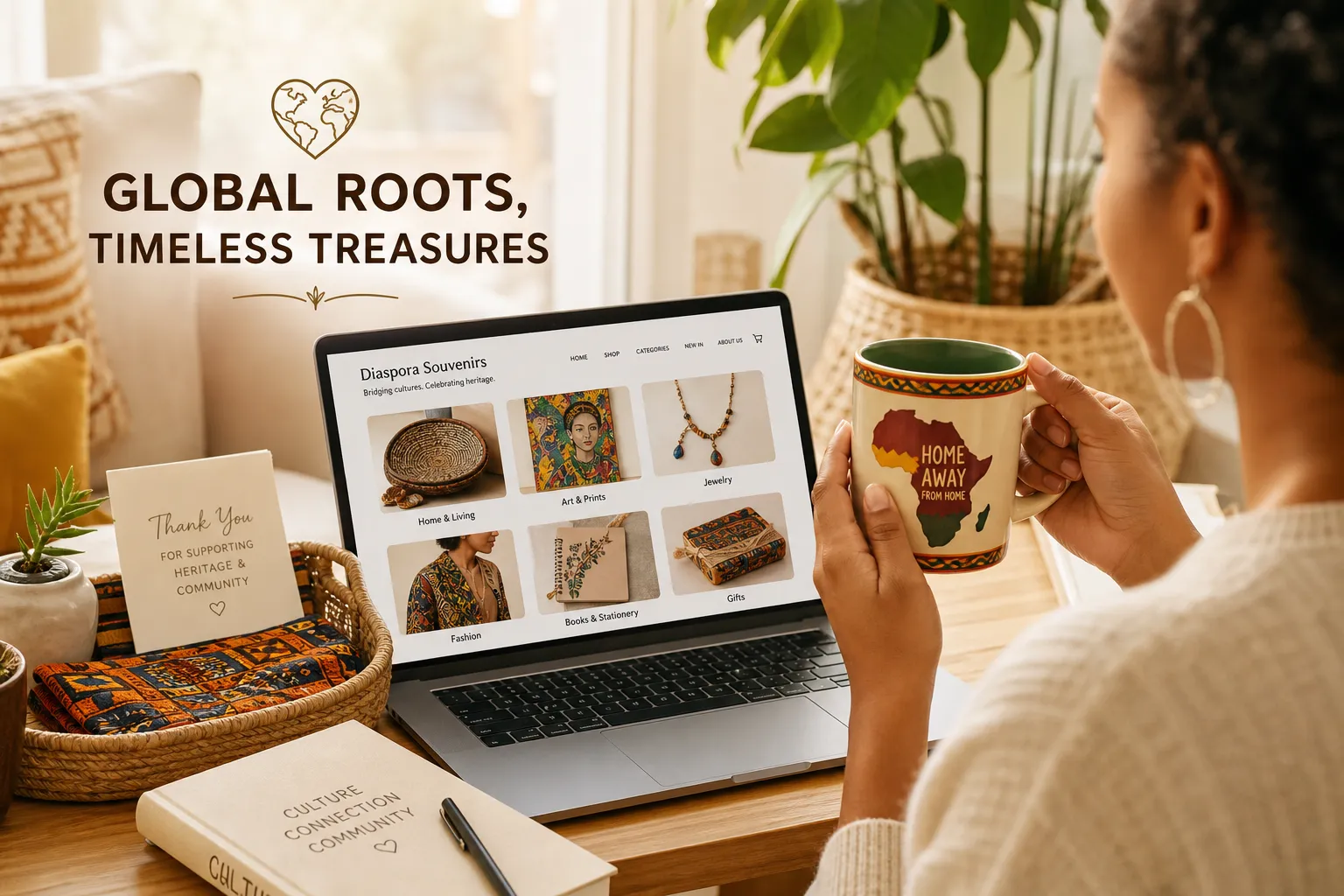 Best Diaspora Online Souvenir Shops to Know in 2026Read more
Most people searching for authentic homeland souvenirs online hit the same wall fast: generic platforms stuffed with...
-
 Madagascar Lifestyle Products: Wear Your Passion DailyRead more
A mug on your desk. A hoodie you reach for on a cold Tuesday morning. A tote bag that goes everywhere. These aren't...
-
 Best Souvenir Ideas After a Madagascar TripRead more
You're back. The humidity is gone, the lemurs are a memory, and you're standing in your living room holding a raffia...
-
 Madagascar Wildlife Apparel: A Guide for Nature LoversRead more
Many Madagascar animal shirts on the market share the same problem: generic stock art, forgettable prints, and no...
-
 15 Malagasy Culture Facts That Will Surprise YouRead more
Many Americans know Madagascar through the DreamWorks animated film of the same name. The real island is something...
-
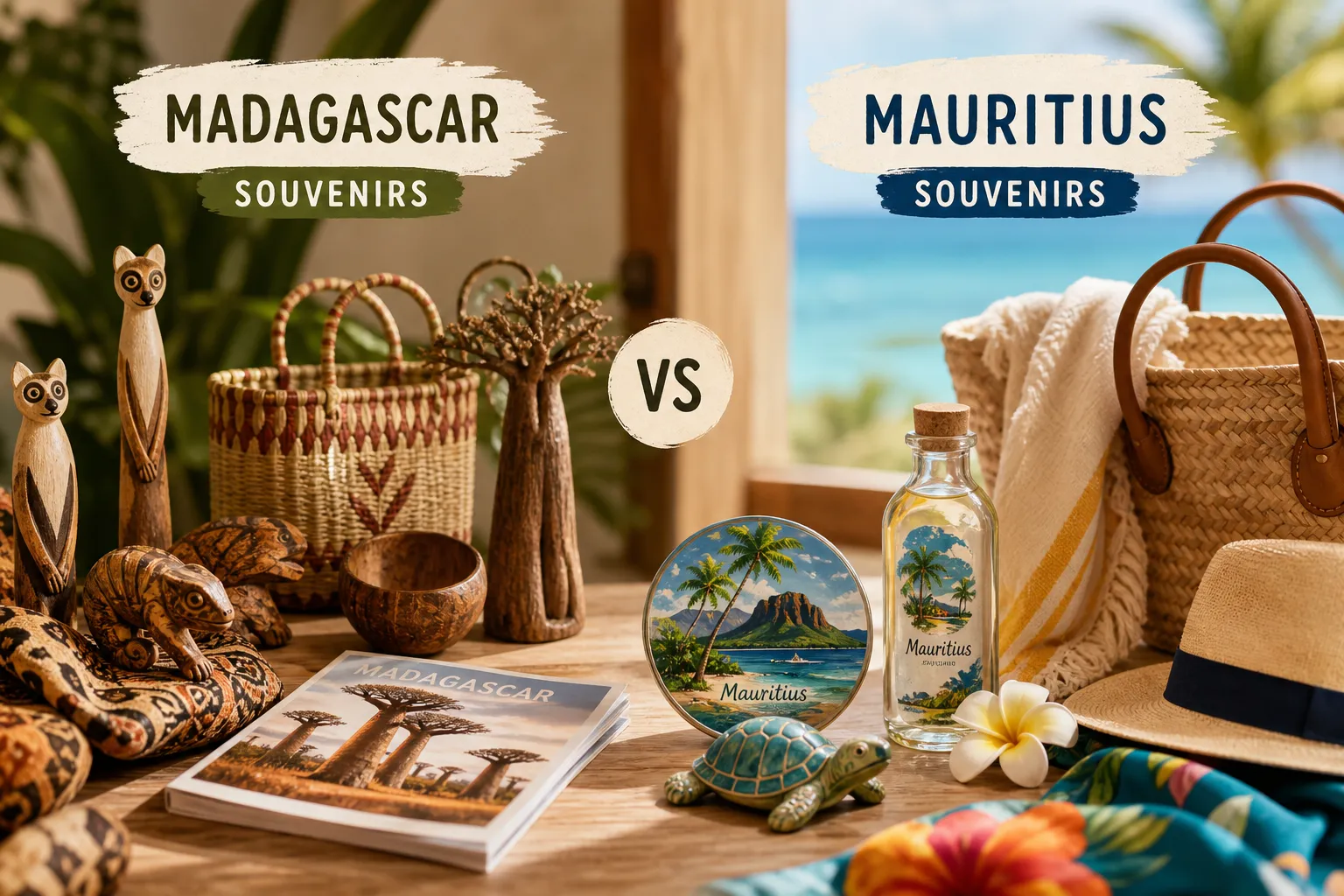 Madagascar vs Mauritius Souvenirs: Key DifferencesRead more
When comparing Madagascar vs Mauritius souvenirs, most travelers are surprised by how little overlap there actually...
Blog categories
Search in blog
Archived posts
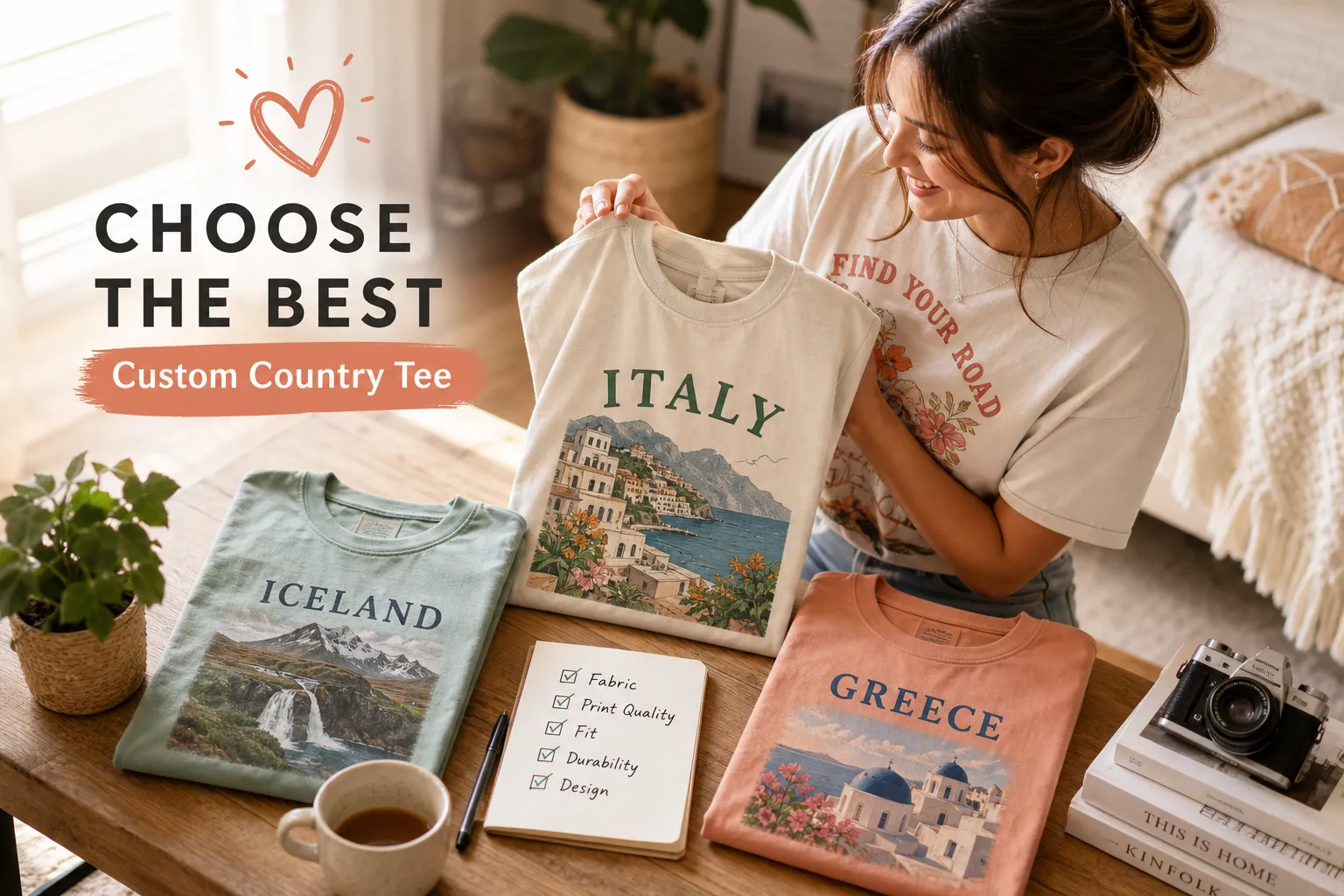
Custom Country Tee Comparison What to Look For
You bought a country tee on your last trip, wore it twice, and now it sits at the back of your drawer. The print faded after a few washes, the design could have come from anywhere, and nobody back home could tell you'd been somewhere meaningful. That experience is more common than it should be, and knowing what to look for dramatically reduces the risk of it happening again. This custom country tee comparison breaks down design quality, cultural authenticity, and wearability so you can evaluate any destination shirt before you commit.
This guide walks through each criterion with specific checkpoints, covers how popular destination tees stack up in a side-by-side look, and uses KissMada's Madagascar-themed apparel as a working example of what a country tee looks like when it gets all three right. By the end, you'll have a clear, practical framework for choosing a shirt you'll actually wear.
What most country tees actually get wrong
Most destination tees fail before you even bring them home. They're designed to sell fast in high-traffic tourist areas, not to hold up through repeated wearing and washing. Understanding where they go wrong is the first step in making a smarter choice.
The airport-souvenir problem
Many country-branded tees sold at tourist hotspots are mass-produced on generic blanks with clip-art graphics that could be swapped onto a shirt from any country. A tee that says "I Love [Country]" in a serif font over a stock-photo landmark isn't a representation of a place, it's proof of purchase, not a portrait of it. Common traveler complaints include shrinkage after the first wash, color fading or bleeding, print defects like sticky or dull graphics, and poor construction that doesn't survive regular laundering. These shirts are built for impulse purchases, not for wearing over and over again.
Why culturally surface-level design wears thin quickly
A tee printed with a flag or a vague outline map isn't culturally anchored, it's culturally adjacent. The best destination tees reference something specific: a local animal, a cultural symbol, a piece of humor that only makes sense if you know the place. Without that specificity, the shirt has no story. And stories are what make people actually reach for it in the morning instead of leaving it folded and forgotten.
Custom Country Tee Comparison: The Three Criteria That Matter
Before comparing destination tees side by side, you need a consistent framework. Three criteria do most of the work. A tee that scores high on all three is worth buying. A tee that nails one but misses the others is a risky buy.
Design quality: depth versus decoration
Design quality isn't about complexity, it's about intention. A well-designed country tee uses typography, illustration, and layout with purpose. The colors work together. The graphic feels like it belongs on a shirt, not on a refrigerator magnet. Weak design quality is easy to spot: low-resolution artwork, mismatched fonts, or graphics that feel borrowed from a stock library. If you could swap the country name into a different shirt with the same layout and nobody would notice, the design fails the quality test.
Cultural authenticity: who made it and what it actually references
Cultural authenticity asks a harder question: does this design reflect the country in a way that people who know it would recognize? It's the difference between a lemur silhouette drawn by someone who has studied Madagascar and a generic "exotic animal" clip-art placeholder. Authentic designs name the actual culture or region, use symbols with known meaning, and avoid mixing motifs from unrelated traditions into a decorative mashup. Authenticity doesn't require the designer to be a local, but it does require real research and design choices that hold up to scrutiny.
Wearability: the real-life test
Wearability covers everything that happens after purchase: how the fabric feels, how the print holds up through washing, and whether the shirt fits well enough to wear on a regular day. A country tee that only works as a keepsake isn't a great country tee. It's a souvenir that happens to be shaped like clothing. Wearability is frequently deprioritized in mass-market souvenir tees, and it's the one you feel most acutely six months after the trip.
Custom Country Tee Comparison: How Popular Destination Tees Stack Up
With the framework in place, the comparison becomes practical. Destination tees from well-traveled regions follow recognizable patterns, and many of them share the same weaknesses.
Tropical and beach destinations: Hawaii
Hawaii has the widest range of any destination tee market. Local brands that emphasize Hawaiian language, native plants, and place-specific imagery can be genuinely excellent. But the mass-market, tourist-facing merchandise leans heavily on bright sunsets, dolphin graphics, and palm tree imagery, motifs that many Hawaii residents and cultural commentators have noted bear little resemblance to actual Hawaiian identity. The gap between the best and worst Hawaii tees is larger than in almost any other destination category, which means the shopping requires more discernment.
European city tees and US state shirts
Paris, Amsterdam, and Barcelona tees almost always feature the same two or three landmarks. Some US state shirts use higher-quality blanks and cleaner print execution, but the design range tends to stay narrow: state outline, state animal, state slogan. These tees score reasonably on wearability but low on cultural depth. You can tell immediately where someone has been, but you learn nothing meaningful about the place from wearing it.
African and Indian Ocean island destinations: where the gap is biggest
This is where any custom country shirt comparison gets most interesting. Destination tees from African and Indian Ocean island countries are far rarer in US retail. The few that exist either go very generic, stock wildlife silhouettes on cheap blanks, or skip design quality entirely. The cultural richness of places like Madagascar makes the generic execution even more glaring. There's a clear opening for something better, and the brands that fill it thoughtfully tend to stand out immediately.
KissMada Madagascar Tees: The Standard in Practice
KissMada is an online shop that designs and sells Madagascar-themed apparel and lifestyle goods for US customers. For the purposes of this custom country tee comparison, it's a useful illustrative example of what happens when a brand prioritizes all three criteria, design quality, cultural authenticity, and wearability, rather than optimizing purely for production cost.
Designs rooted in real culture and wildlife
KissMada's graphics reference specific elements of Madagascar: lemurs drawn with character, baobab landscapes styled with a modern graphic sensibility, Malagasy cultural humor, and wildlife that actually lives on the island. The designs reflect the kind of care you'd expect from a dedicated design label rather than a souvenir printer. The result is a tee that communicates something specific about a specific place, which is the whole point of a destination shirt. For expats, travelers, and wildlife enthusiasts who want to wear their connection to Madagascar rather than just mention it, that specificity matters.
Print quality and fabric choices that hold up
KissMada works with multiple decoration methods, including DTG printing, DTF, sublimation, and embroidery, depending on the product. For a custom country tee, the print method directly affects how the design looks after dozens of washes.
DTG printing on a quality ring-spun cotton blank produces a softer hand-feel and more detailed result than a basic heat transfer on a generic blank, typically holding up through 30 to 80 wash cycles with proper pretreatment and curing. Screen printing on bold, solid designs can survive upward of 100 washes when executed correctly. Sublimation bonds dye directly into the fabric and lasts as long as the garment itself, but only works on light-colored polyester. Knowing which method a brand uses is a basic signal of whether they're thinking about the full life of the product.
Studio aesthetics versus souvenir shop filler
What separates KissMada from a standard tourist tee isn't just production quality, it's creative intent. The brand positions itself as a lifestyle merchandise label, not a souvenir printer. That distinction changes how a tee is designed, made, and worn. It's the difference between a shirt you'd pick up at a market stall and one you'd find in an independent boutique. For anyone buying a Madagascar gift for a friend or treating themselves to something that reflects a real connection to the Red Island, that positioning is exactly the right one.
Custom Country Tee Comparison: Print Methods and Fabric Quality
Whether you're buying a Madagascar tee or any other destination shirt, the same technical checkpoints apply. These are the signals that separate a durable purchase from a one-season wear.
Which print method tells you the most
Screen printing is the best option for bold, solid-color country graphics and can survive well over 100 washes when executed correctly. DTG printing suits detailed, multicolor artwork but requires proper curing to reach its full wash resistance. Sublimation is the most permanent option but only works on light-colored polyester fabric, making it less versatile for standard tee designs. If a seller doesn't specify the print method, that's a gap worth questioning before you buy.
Blank tee quality and what it means for feel and fit
The blank tee underneath the design matters as much as the print itself. Comfort Colors blanks offer a heavier, garment-dyed vintage feel at about 6.1 oz, making them a strong choice for country aesthetics and the kind of worn-in look that suits destination graphics well. Bella+Canvas and Next Level run lighter and more fitted, with a smoother surface suited to detailed prints, both are popular with print-on-demand country shirts for premium graphic tees. Gildan is the budget workhorse, fine for events and bulk orders but less ideal when wearability is the priority. A quality country tee will list the blank brand or at minimum the fabric weight and composition.
Your buying checklist before committing to any country tee
Armed with the framework and the technical details, here's how to run a quick evaluation before purchasing any custom country tee.
Design and authenticity signals
Ask whether the design references something specific and verifiable about the country. Look for original illustration over stock imagery, and check whether the typography and color palette feel intentional rather than templated. A culturally authentic design names the actual place and uses symbols with known meaning rather than a vague "tropical" or "island vibe" aesthetic. If the design could transfer to a shirt from any country without changing anything meaningful, walk past it.
Print and material quality signals
Check whether the seller lists the print method and blank brand. Look for product photos that show close-up print detail, since pixelation or blurring in product images usually signals low print resolution. Read reviews that mention wash durability, because that's where print quality reveals itself most honestly. Research on typical destination tee retail pricing suggests that a price under around $10 often signals trade-offs in blank quality or print durability, though it's always worth reading reviews regardless of price point.
Fit and sizing checks that prevent returns
For country tees specifically, unisex cuts tend to run like men's shirts: broader shoulders, straighter body. Women sizing into a unisex tee generally need to go down one size for a comparable fit. Compare the listed garment measurements to a tee you already own and love, because letter sizes vary significantly across blank brands and are not a reliable guide on their own. The measurements that matter most are chest width, shoulder seam width, and body length from shoulder to hem.
The right shirt is out there
A thorough custom country tee comparison only works when you're asking the right questions. Design quality, cultural authenticity, and wearability aren't optional criteria, they're the reason the shirt is worth buying in the first place. Many tourist-market tees underperform on at least two of these, which leaves a clear gap for brands like KissMada: labels built specifically to offer apparel that connects people to a place in a way that lasts past the first wash cycle.
Use this custom country tee comparison framework wherever you're shopping for a destination shirt. Check the design for real cultural specificity. Verify the print method and the blank brand. Confirm the measurements before you order. The shirt that actually earns a place in your regular rotation is out there, and now you know exactly what to look for. See KissMada's Madagascar tees to find a vetted example of what this standard looks like in practice.
Posted in:
Madagascar
Related posts
-
 Madagascar Gifts: What to Buy and Where to Find Them
You're searching for Madagascar gifts and the options feel all over the place. On one end, you've got DreamWorks...Read more
Madagascar Gifts: What to Buy and Where to Find Them
You're searching for Madagascar gifts and the options feel all over the place. On one end, you've got DreamWorks...Read more -
 African Island Souvenir Comparison: Which Is Best?
Picture this: you're standing in a crowded market stall, surrounded by carved figurines, spice packets, printed...Read more
African Island Souvenir Comparison: Which Is Best?
Picture this: you're standing in a crowded market stall, surrounded by carved figurines, spice packets, printed...Read more -
 Madagascar Culture Explained for Beginners
Whether you're packing a bag for Antananarivo, writing a research paper, or trying to reconnect with roots you grew...Read more
Madagascar Culture Explained for Beginners
Whether you're packing a bag for Antananarivo, writing a research paper, or trying to reconnect with roots you grew...Read more -
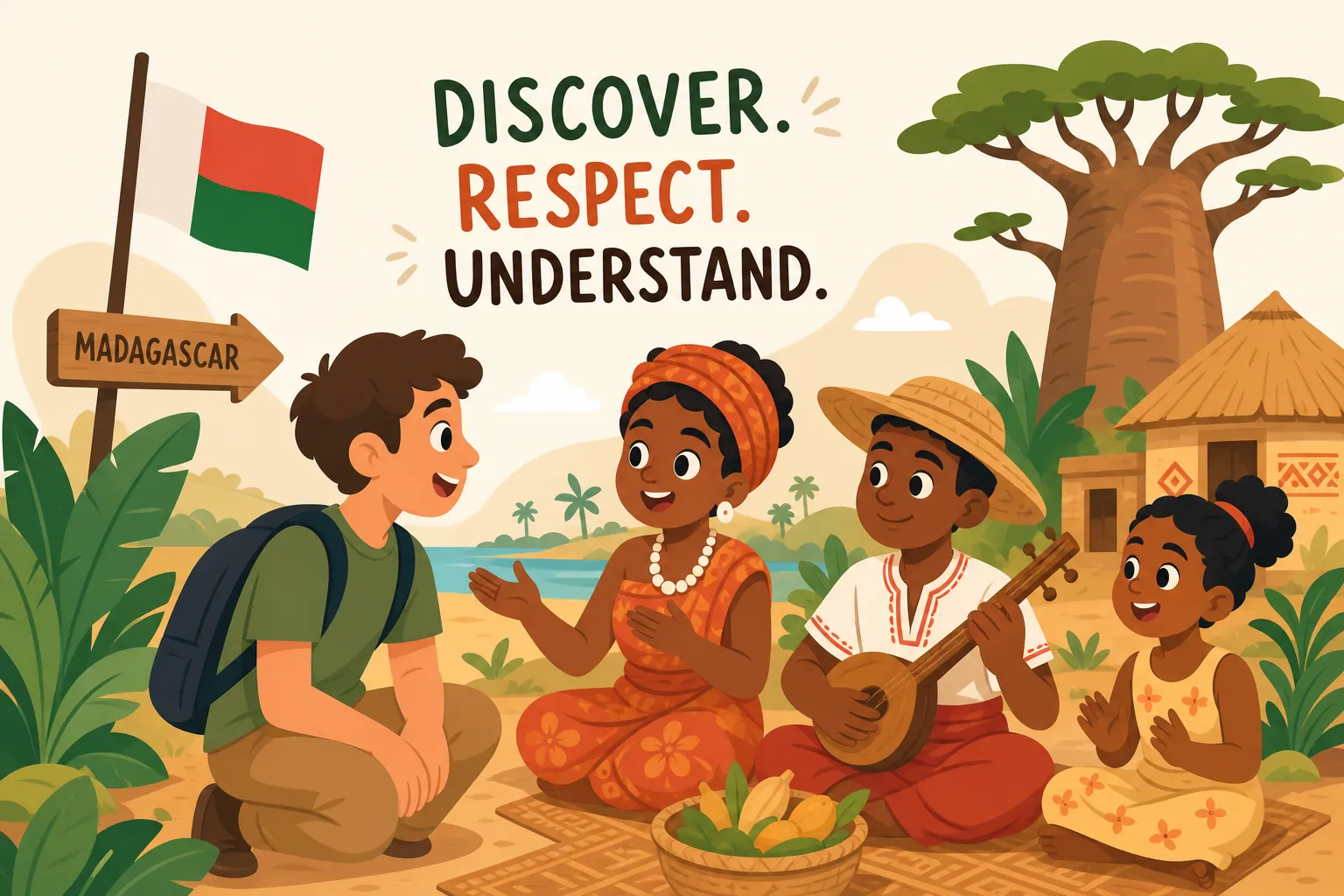 Understanding Madagascar Traditions as an Outsider
Madagascar traditions run deeper than most outsiders expect. Rather than a checklist of cultural facts you skim...Read more
Understanding Madagascar Traditions as an Outsider
Madagascar traditions run deeper than most outsiders expect. Rather than a checklist of cultural facts you skim...Read more -
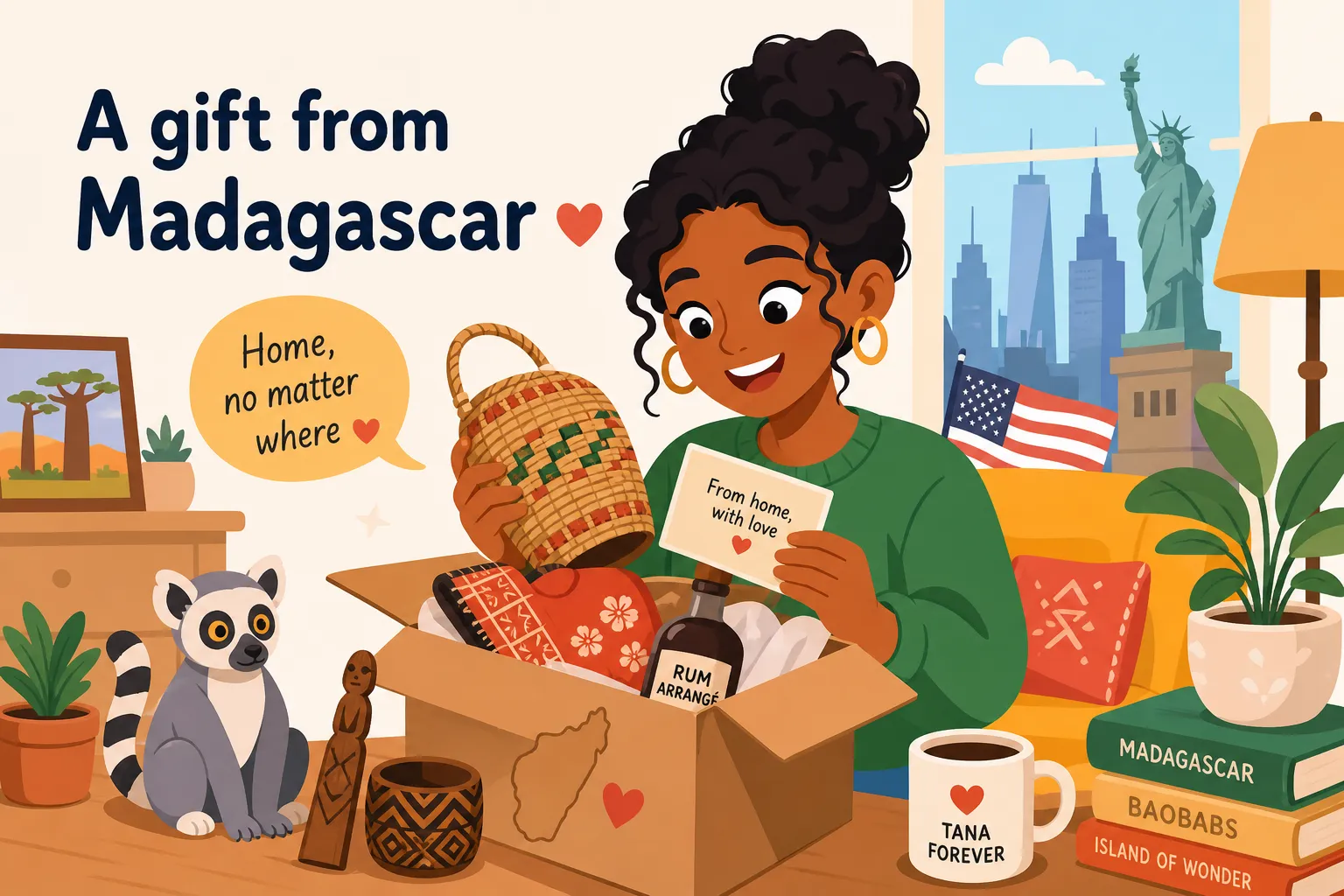 What to Gift a Malagasy Expat Living in the US ?
There's a specific kind of ache that comes with living far from the island you grew up on. It's not dramatic or...Read more
What to Gift a Malagasy Expat Living in the US ?
There's a specific kind of ache that comes with living far from the island you grew up on. It's not dramatic or...Read more
Leave a comment