 KissMada, your online Madagascar souvenir shop



Something has shifted in how people shop for cultural identity online, and it's not subtle. Cultural merchandise...
Latest posts
-
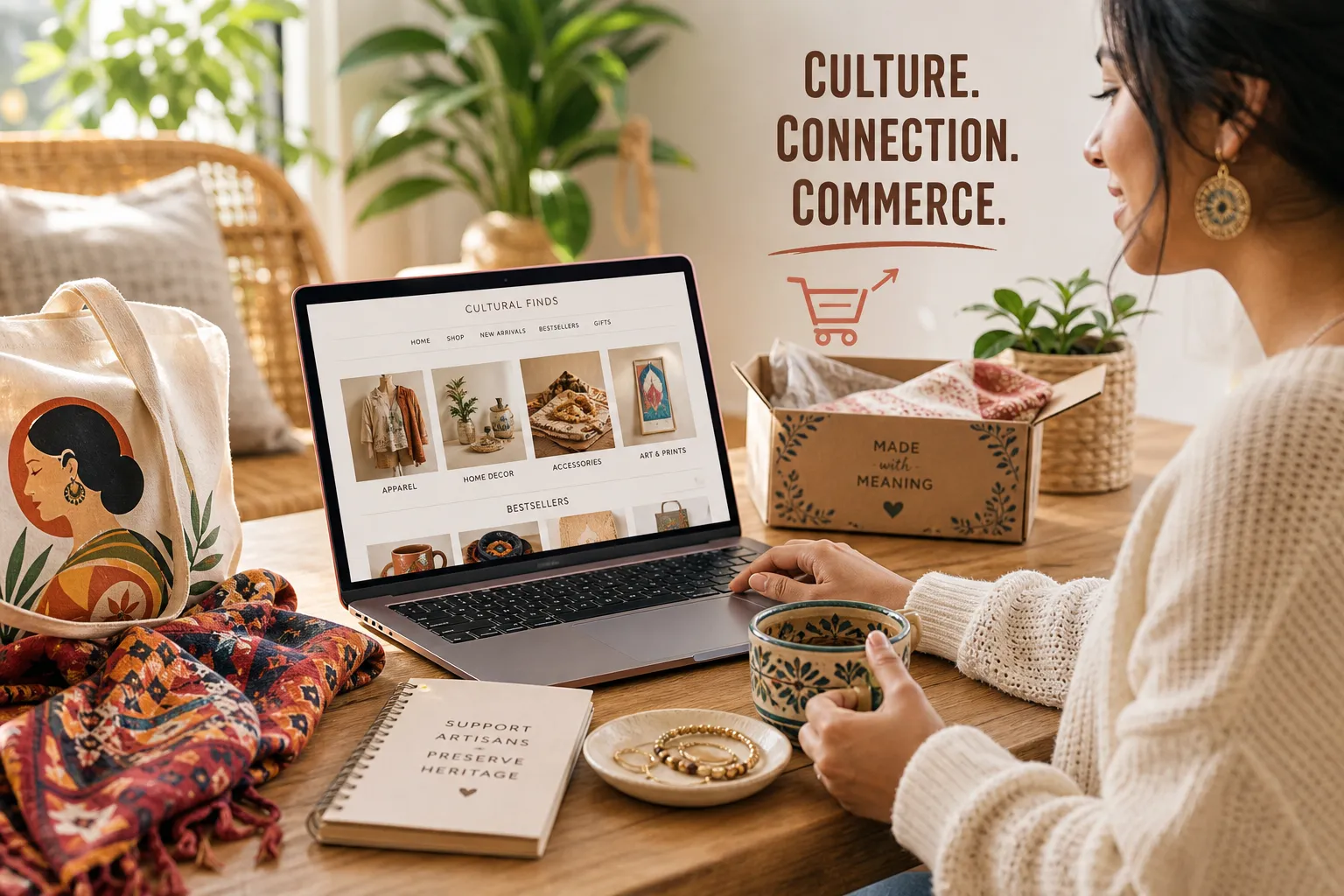 Why Cultural Merchandise Online Is Booming in 2026Read more
 -
 Madagascar Mug, Notebook & Shirt: The Perfect Gift SetRead more
Most Madagascar gifts end up in a drawer. The fridge magnet loses its novelty by week two. The framed photo blends...
-
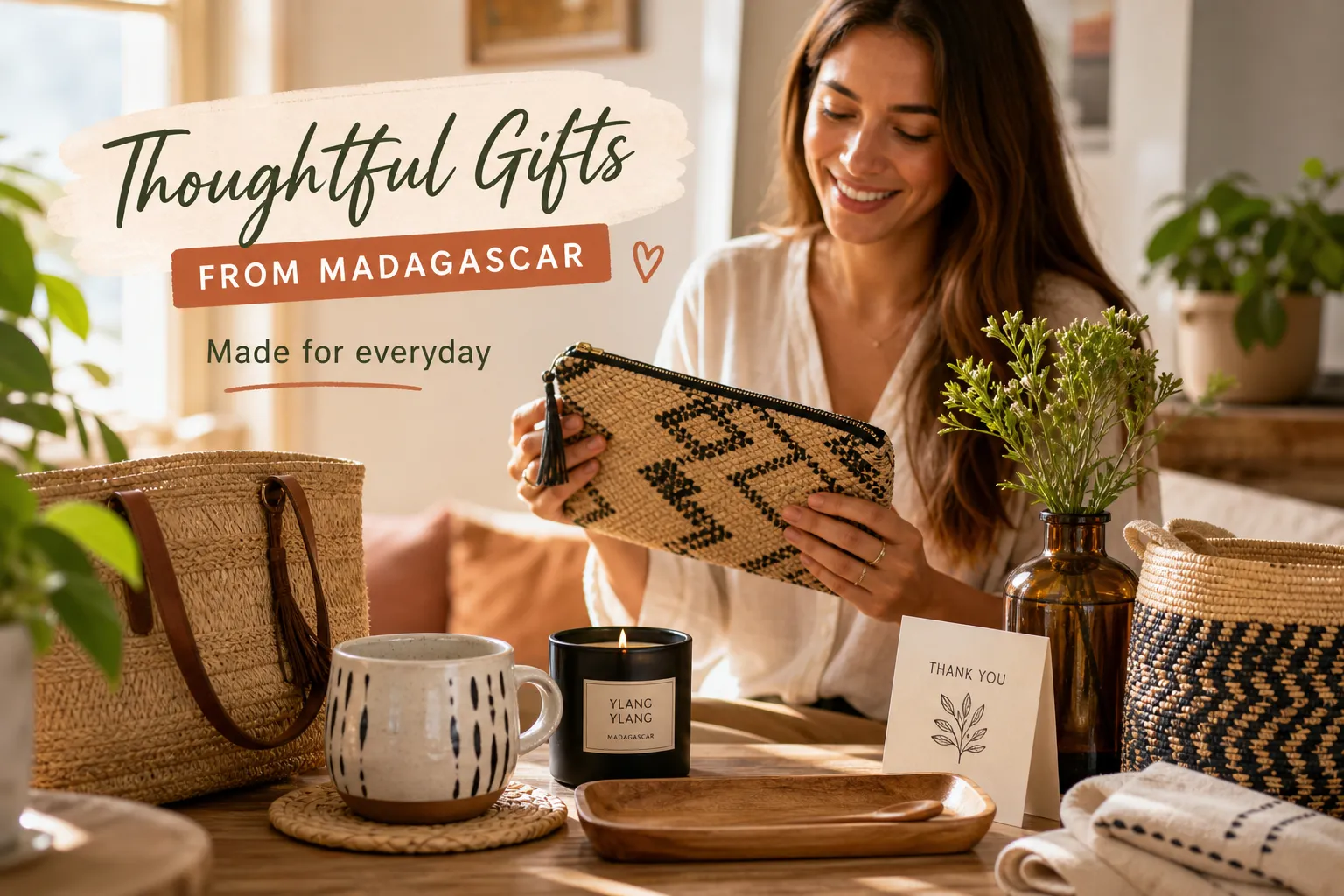 Best Everyday Madagascar Gifts People Will Actually UseRead more
The carved zebu looks great on the shelf for about a week. Then it gets pushed to the back, buried behind a candle...
-
 How to Find the Best Homeland Gifts Online StoreRead more
If you're hunting for a homeland gifts online store that actually feels authentic, this guide will help you find one...
-
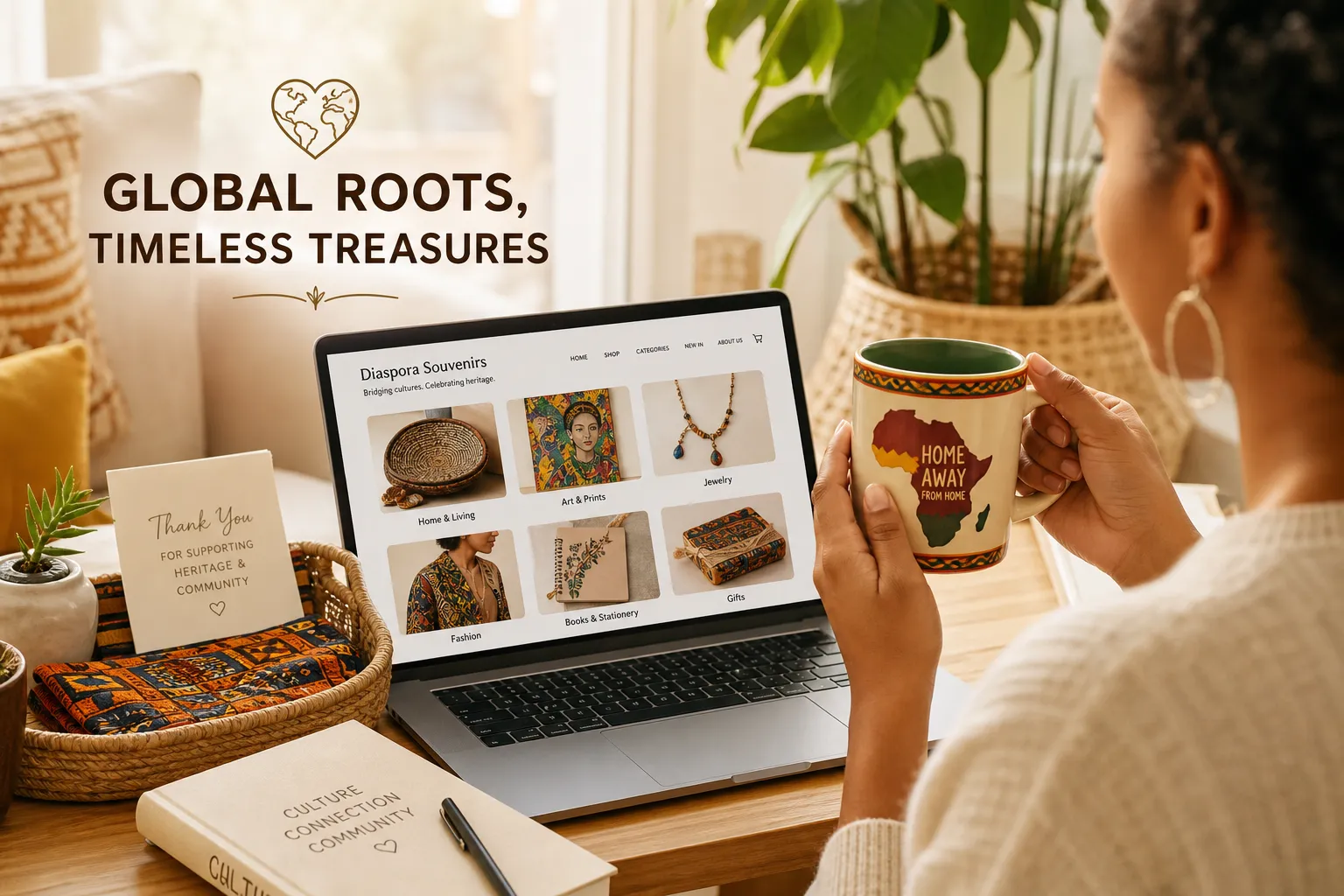 Best Diaspora Online Souvenir Shops to Know in 2026Read more
Most people searching for authentic homeland souvenirs online hit the same wall fast: generic platforms stuffed with...
-
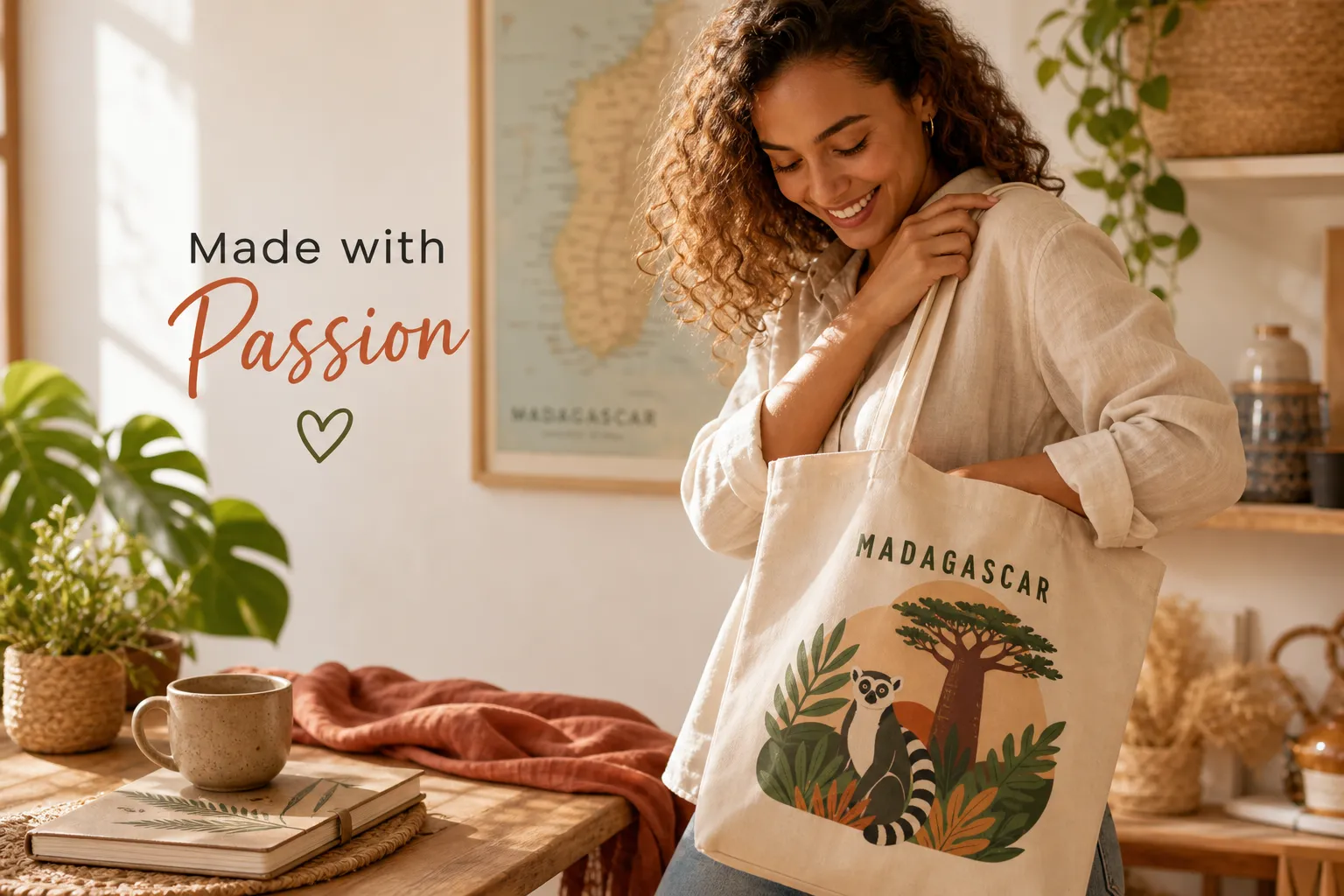 Madagascar Lifestyle Products: Wear Your Passion DailyRead more
A mug on your desk. A hoodie you reach for on a cold Tuesday morning. A tote bag that goes everywhere. These aren't...
-
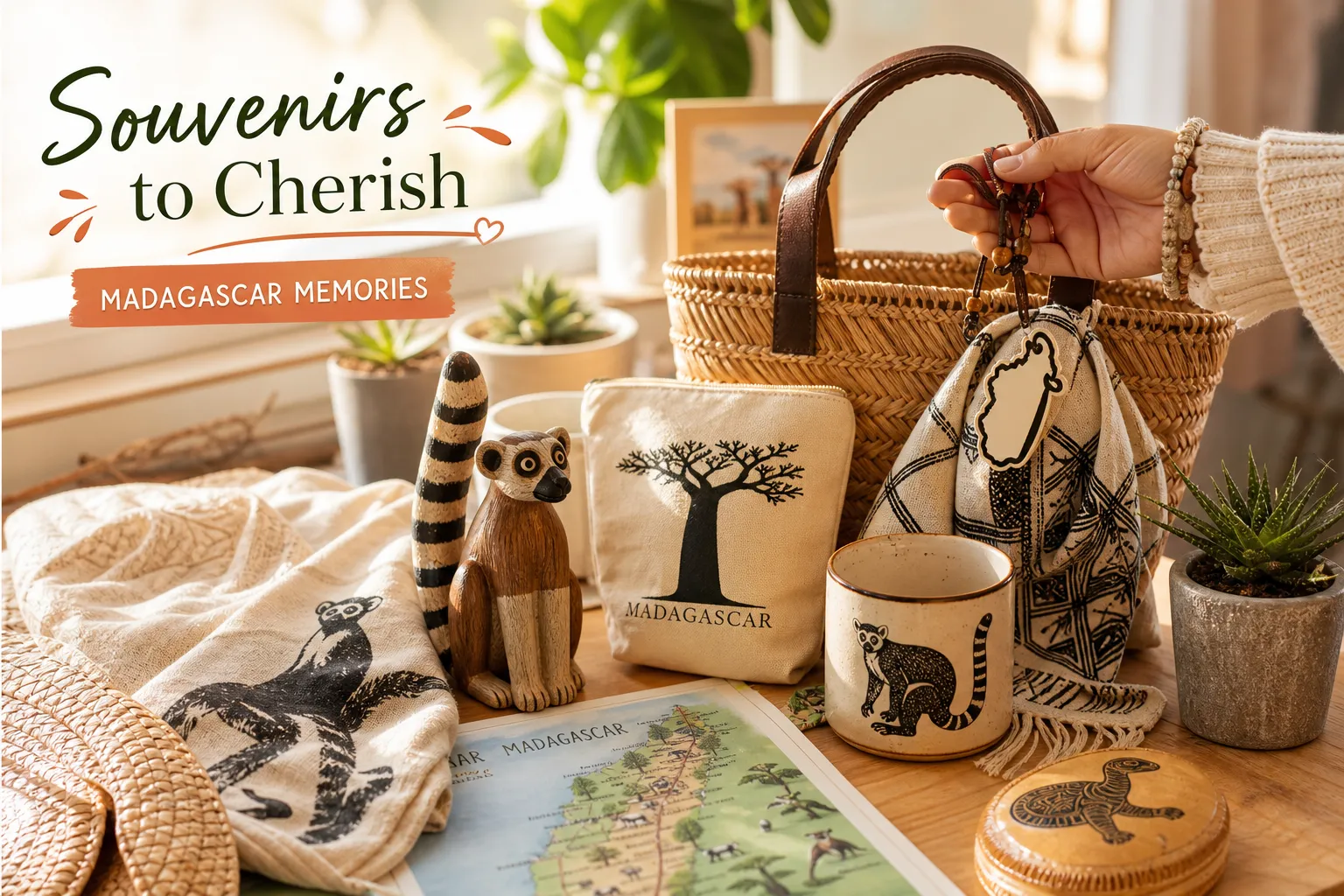 Best Souvenir Ideas After a Madagascar TripRead more
You're back. The humidity is gone, the lemurs are a memory, and you're standing in your living room holding a raffia...
-
 Madagascar Wildlife Apparel: A Guide for Nature LoversRead more
Many Madagascar animal shirts on the market share the same problem: generic stock art, forgettable prints, and no...
-
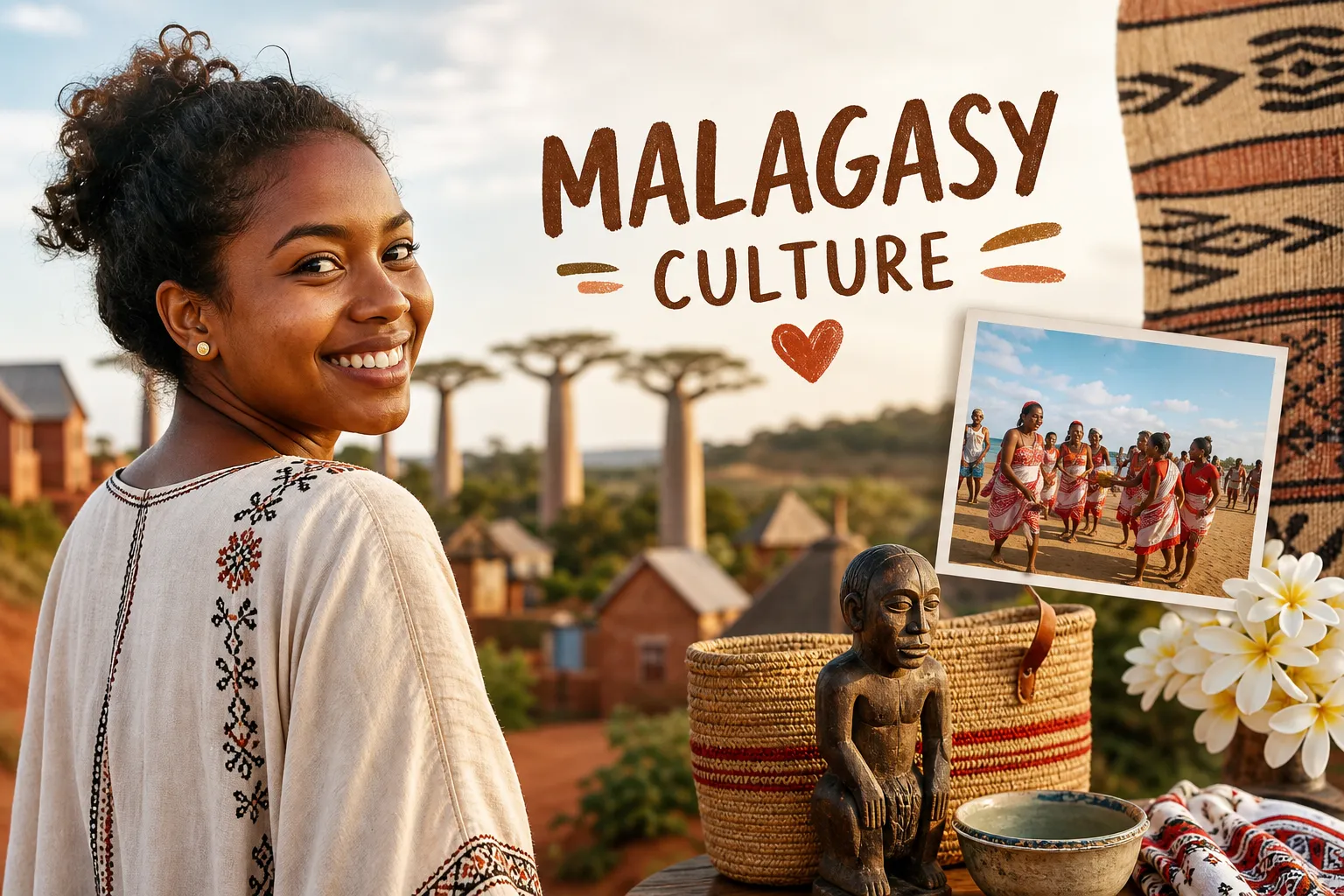 15 Malagasy Culture Facts That Will Surprise YouRead more
Many Americans know Madagascar through the DreamWorks animated film of the same name. The real island is something...
-
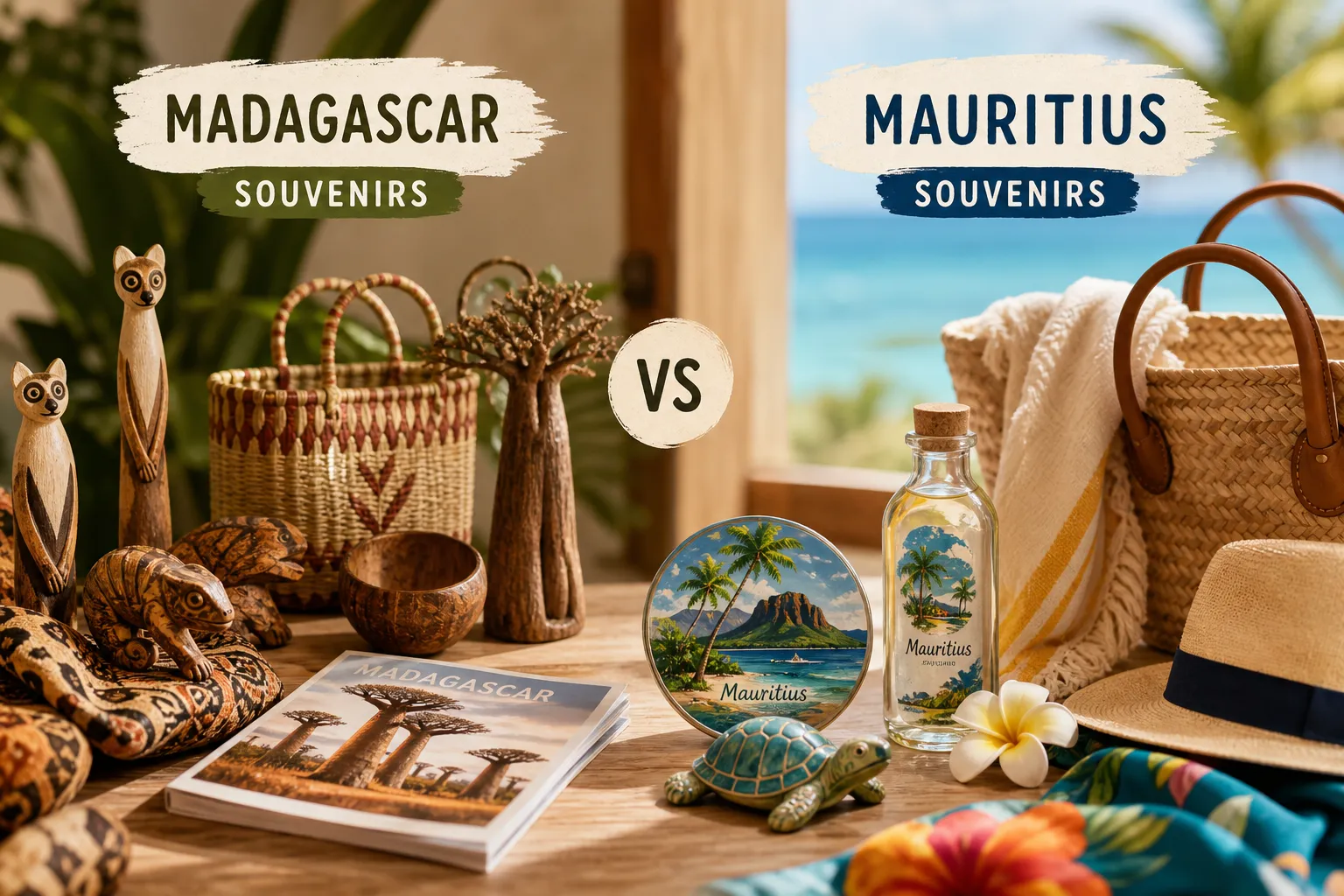 Madagascar vs Mauritius Souvenirs: Key DifferencesRead more
When comparing Madagascar vs Mauritius souvenirs, most travelers are surprised by how little overlap there actually...
Blog categories
Search in blog
Archived posts
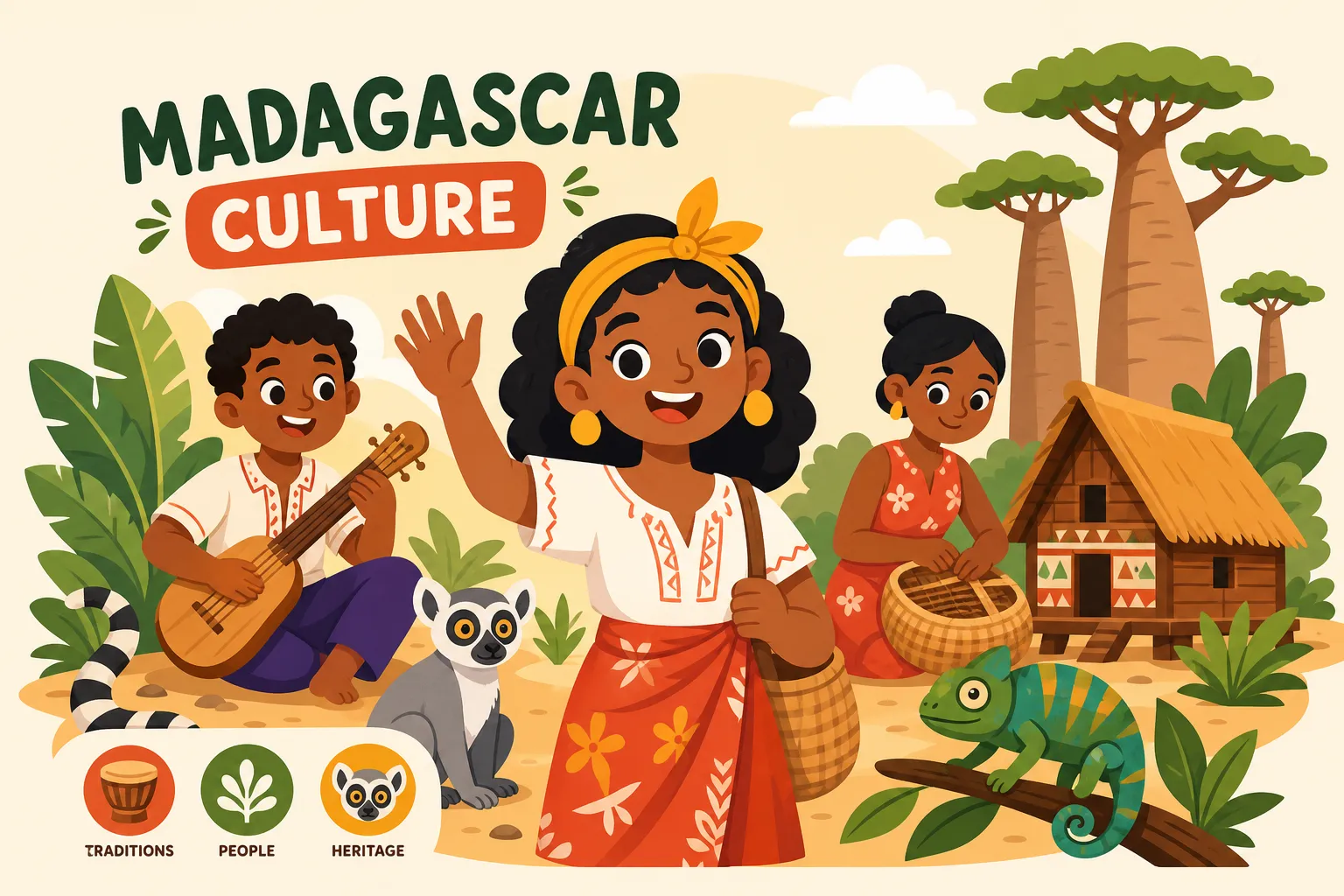
Madagascar Culture Explained for Beginners
Madagascar Culture Explained for Beginners
Whether you're packing a bag for Antananarivo, writing a research paper, or trying to reconnect with roots you grew up hearing stories about, learning about Madagascar culture is one of the most genuinely rewarding things you can do before engaging with the island or its people. Madagascar is not just a place. It's a living, layered civilization with thousands of years of history, a Malagasy language that is Austronesian in origin and linguistically distinct from most mainland African languages, and social values that feel both ancient and completely relevant to modern life.
What you'll find in this guide are the foundational elements: where the culture comes from, the values that hold it together, the ceremonies that mark its rhythm, the taboos that shape daily behavior, the language that opens doors, and how all of it lives on far beyond the island's shores. Start here, and you'll have the context to engage with all of it respectfully and meaningfully.
About Madagascar culture: Where it actually comes from
Most people assume Madagascar is simply an African culture, given its location off the southeast coast of the continent. The reality is far more interesting. Understanding these origins is essential to understanding everything else about how Malagasy people live, speak, and celebrate.
The Austronesian and Bantu foundations
The earliest settlers of Madagascar came not from Africa but from Southeast Asia, specifically from the Borneo and Indonesian world. These Austronesian migrants arrived first and shaped the Malagasy language at its core, along with fundamental social customs and spiritual traditions. They were followed by Bantu-speaking peoples from East Africa, who contributed additional cultural, genetic, and linguistic elements that blended into what was already taking root on the island. This dual ancestry is what makes Malagasy identity distinct from every mainland African culture, and from every Southeast Asian one too.
How Arab, Indian, and French contact layered on top
Arab traders arrived next, introducing Islamic influence, new vocabulary, and commercial networks along the coast. South Asian merchants added another thread to the cultural fabric, particularly in coastal communities. French colonial rule, which lasted from the late 19th century until independence in 1960, reshaped urban life, formal education, and religious practice. None of these influences erased the core culture. They folded into it, creating a dynamic identity that carries centuries of contact without being defined by any single one.
The 18 ethnic groups and what they mean for cultural variation
Madagascar is commonly described as home to about 18 ethnic groups, though definitions and lists vary by source. The Merina of the central highlands are the most widely referenced in cultural and historical writing. Other major groups include the Betsileo, Betsimisaraka, Sakalava, and Antandroy, each associated with distinct regions of the island. "Malagasy culture" is an umbrella term, and customs, ceremonies, and taboos can vary significantly between groups and regions. This matters especially for the fady section below, where regional variation is the rule rather than the exception.
The values that hold Malagasy society together
Knowing the history gives you context. Knowing the values gives you the key to understanding how Malagasy people interact, make decisions, and relate to each other and to the world beyond this life.
Fihavanana: collective harmony over individual preference
Fihavanana is the central social value of Malagasy life. It comes from the root word "havana," meaning kin or family member, and extends that family logic outward to the entire community. In practice, it means solidarity, mutual support, peaceful relations, and a shared moral obligation to treat others with the care you would give to blood relatives. This is a fundamentally different starting point than the individualism common in Western culture, and recognizing it explains a great deal about why Malagasy people approach conflict, hospitality, and community decisions the way they do.
Ancestor reverence and the role of the family tomb
Respect for ancestors in Madagascar is not ceremonial decoration. It is a living, practical part of daily life. The family tomb functions as a symbol of lineage, obligation, and continuity between generations. Major life decisions, including land use and community disputes, can be shaped by ancestral ties. Many urban and secular Malagasy people who have moved far from their home villages still maintain this connection, because the relationship between the living and the dead is understood as ongoing rather than concluded at burial.
Respect for elders and communal hospitality
The daily expression of Malagasy social values is visible in small, consistent habits. Younger people greet elders first, listen deferentially, and wait for elders to begin a shared meal. Sharing food is not just politeness but a genuine social bond. These behaviors are not empty formalities; they are the everyday language of belonging, communicating respect in ways that words alone cannot.
About Madagascar culture: Famadihana and the ceremonies that shape it
No discussion of Malagasy customs and traditions is complete without famadihana. It is the ceremony most often written about by outsiders, and also the one most prone to being misunderstood. What follows is a straightforward look at what it actually involves.
What famadihana actually involves
Famadihana, often called "the turning of the bones," is a ceremony practiced primarily in the highlands in which families open the ancestral tomb, carefully rewrap the remains of their relatives in fresh lamba cloth, and carry them in procession with music, dancing, and speech before returning them to the tomb. Ethnographic accounts document it as typically occurring every five to seven years, most commonly between July and November during the dry season, though timing can vary by family and region. Rather than somber, famadihana is a joyful, deeply meaningful family reunion, one that spans generations and brings the living and the dead together in a shared celebration of lineage and continuity.
What kabary signals about Malagasy life
Kabary is the tradition of formal oratory practiced at weddings, funerals, famadihana, and other major gatherings. It is an art form and a social institution. Skilled speakers use proverbs, rhythm, and carefully chosen language to mark occasions with weight and meaning. Kabary says something important about Madagascar culture more broadly: language, storytelling, and the spoken word are not just tools here. They are the vessel through which community identity is held and transmitted.
What visitors should know before attending any ceremony
If you are invited to a ceremony, treat the invitation as a genuine privilege. Ask permission before attending, dress modestly, follow the family's lead at every stage, and avoid photography unless it is explicitly welcomed. Famadihana practices vary by family, region, and ethnic group, so a local guide or host is always a better resource than any general rule. Approach each ceremony as a guest in someone's most sacred family moment, and you will be welcomed warmly.
Fady: the local taboos every visitor needs to understand
Fady are sacred prohibitions that shape food choices, behavior, places, and even days of the week across Madagascar. They are one of the most distinctive and practical elements of Malagasy culture for anyone planning to visit or engage with local communities.
What fady are and why they vary so much
Fady are not a single national rulebook. They vary by region, ethnic group, village, and family lineage, which means there is no master list that applies everywhere. What is perfectly acceptable to eat in one province may be completely forbidden in the next. This is not inconsistency; it reflects the deeply local nature of Malagasy spiritual and social life, where customs are tied to specific ancestors, places, and histories.
Common examples that affect travelers and daily life
While fady are highly regional, these examples, frequently noted by travelers and ethnographers, are worth knowing before you travel:
- Pointing at tombs or sacred sites, use an open hand instead of a finger
- Food restrictions on pork, eel, crab, tenrec, or other animals depending on the local group
- No funerals or agricultural work on certain weekdays in some communities
- Whistling at night, pointing at people, or touching someone's head in certain areas
- Wearing red near sacred or historically royal sites in some regions
- Bathing, fishing, or speaking certain languages near sacred lakes or forests
How to handle fady as an outsider
The goal is not to memorize every fady before you arrive, that's impossible, and no one expects it of you. The goal is to approach each new community with enough humility to ask. A good local guide will flag what matters before you step into a situation. Being corrected gently is not a sign of hostility; it means the community is invested enough to welcome you properly. Accept corrections with grace, and you will earn far more goodwill than any advance research could generate.
Language, greetings, and everyday etiquette in Madagascar
Even a handful of Malagasy phrases will change your experience on the island entirely. Locals respond with genuine warmth to any visitor who makes the effort, however imperfect.
Key Malagasy phrases to know before you go
These phrases matter most for everyday interactions (pronunciations are approximate and may vary by dialect):
- Salama, hello (sah-LAH-ma)
- Miarahaba, formal greeting
- Manao ahoana, hello / how are you? (mah-NAH-oo ah-OH-nah)
- Misaotra, thank you (mee-SAH-oo-tra)
- Azafady, please / excuse me / sorry (ah-zah-FAH-dee)
- Veloma, goodbye (veh-LOO-mah)
- Ohatrinona ity?, how much is this?
Etiquette habits that matter most in daily interactions
A few consistent habits will carry you a long way in Madagascar. Greet people before anything else, before asking questions, before taking photos, before entering a space. Use your right hand for giving, receiving, and handshakes. Ask permission before photographing anyone, any village, or any sacred site. Avoid showing impatience or frustration publicly, since calm and measured interaction is deeply valued. Wait for elders to begin a shared meal before you eat. None of these are restrictions. They are the practical vocabulary of respect, and they open doors everywhere on the island.
How this culture lives on beyond Madagascar's borders
Malagasy culture does not stop at the coastline. For the thousands of Malagasy nationals and diaspora members living in the United States, staying connected to cultural identity is an active, ongoing practice, shaped by community, food, music, language, and shared values like fihavanana.
Community gatherings in cities like New York and Washington, D.C. keep traditions alive across generations. Families share Malagasy cuisine, speak the language at home, and pass on the stories and customs that give meaning to where they come from. Staying connected to your roots is not always easy when you're thousands of miles from the Red Island, and that distance is real for many people in the diaspora.
That's part of what KissMada was built for. Designed with Madagascar lovers, expats, and the Malagasy diaspora in mind, KissMada translates the island's cultural richness, its wildlife, landscapes, humor, and symbolic identity, into modern, wearable everyday products for the United States market. From graphic tees referencing Malagasy motifs to mugs, notebooks, and home goods, it's a contemporary way to carry the Red Island with you wherever you are. For a traveler who just discovered this culture or a diaspora member searching for a meaningful gift, it's worth a look.
Learning about Madagascar culture means sitting with something genuinely layered: Austronesian foundations, Bantu and East African contributions, Arab and French influences, all held together by fihavanana, ancestor reverence, and communal belonging. The ceremonies, fady, and greetings in this guide are entry points, not endpoints. Malagasy traditions are as relevant and alive today as they have ever been, and the best way to honor that is to keep engaging, visit the island, seek out diaspora communities near you, or find small daily ways to carry the connection forward.
Related posts
-
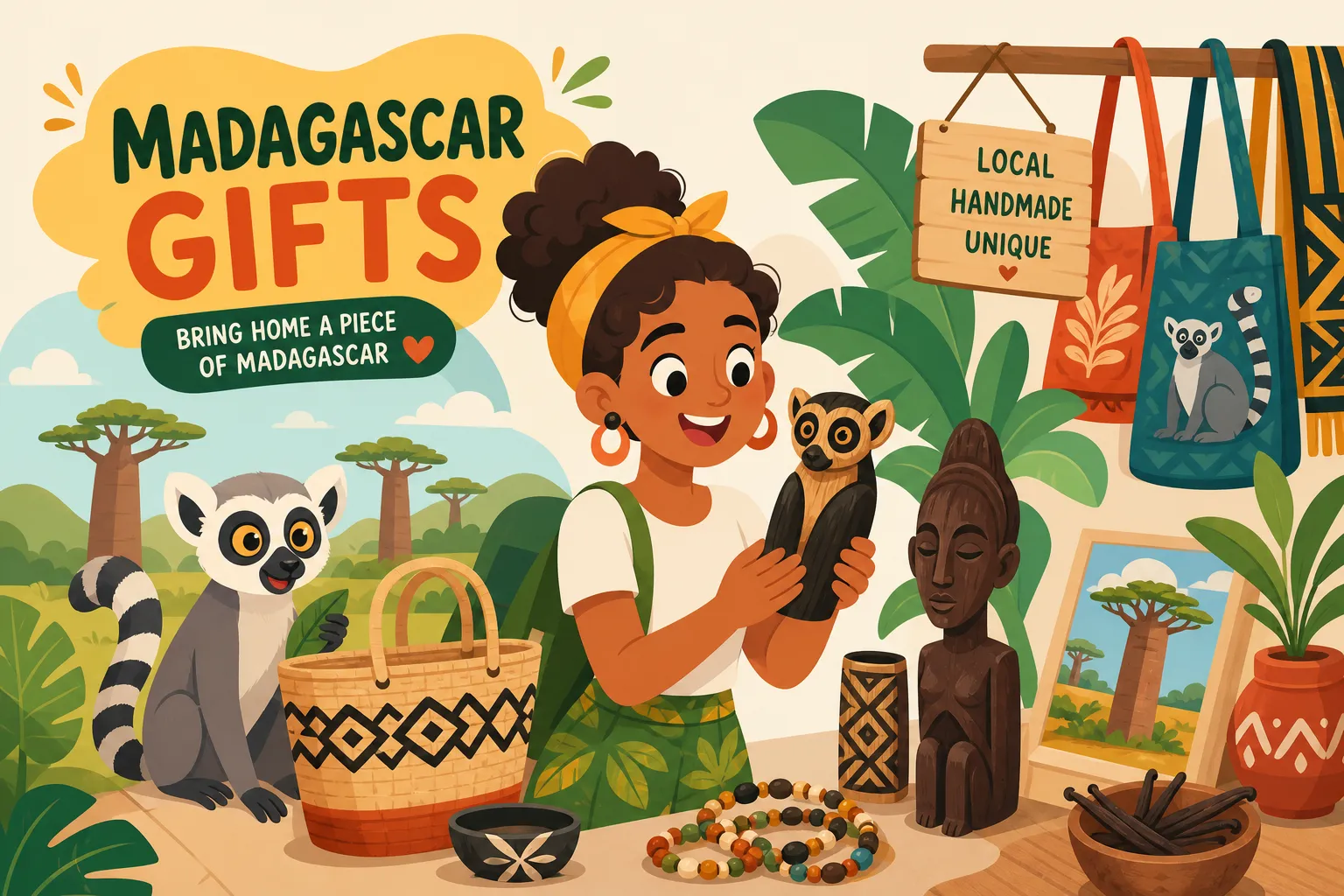 Madagascar Gifts: What to Buy and Where to Find Them
You're searching for Madagascar gifts and the options feel all over the place. On one end, you've got DreamWorks...Read more
Madagascar Gifts: What to Buy and Where to Find Them
You're searching for Madagascar gifts and the options feel all over the place. On one end, you've got DreamWorks...Read more -
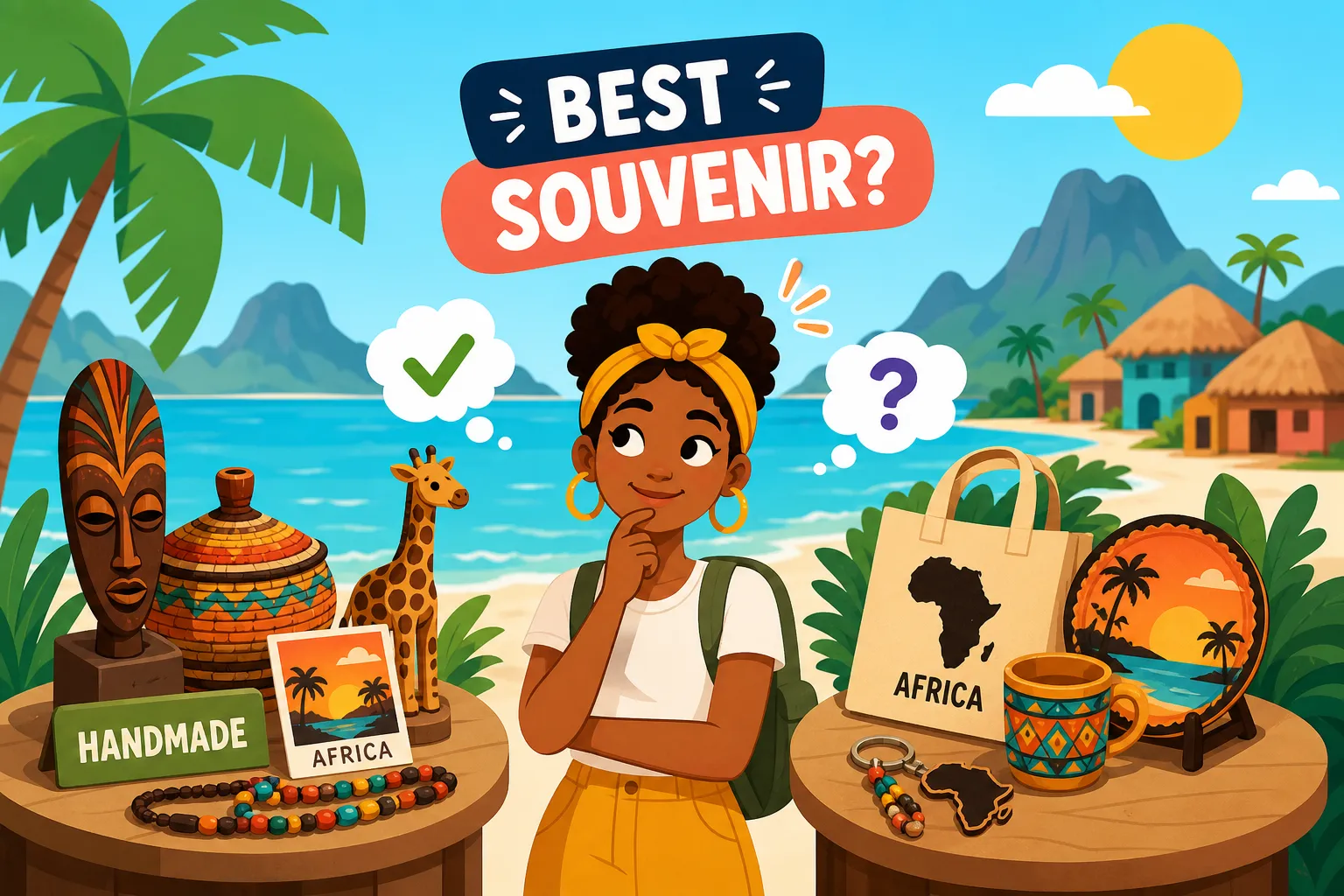 African Island Souvenir Comparison: Which Is Best?
Picture this: you're standing in a crowded market stall, surrounded by carved figurines, spice packets, printed...Read more
African Island Souvenir Comparison: Which Is Best?
Picture this: you're standing in a crowded market stall, surrounded by carved figurines, spice packets, printed...Read more -
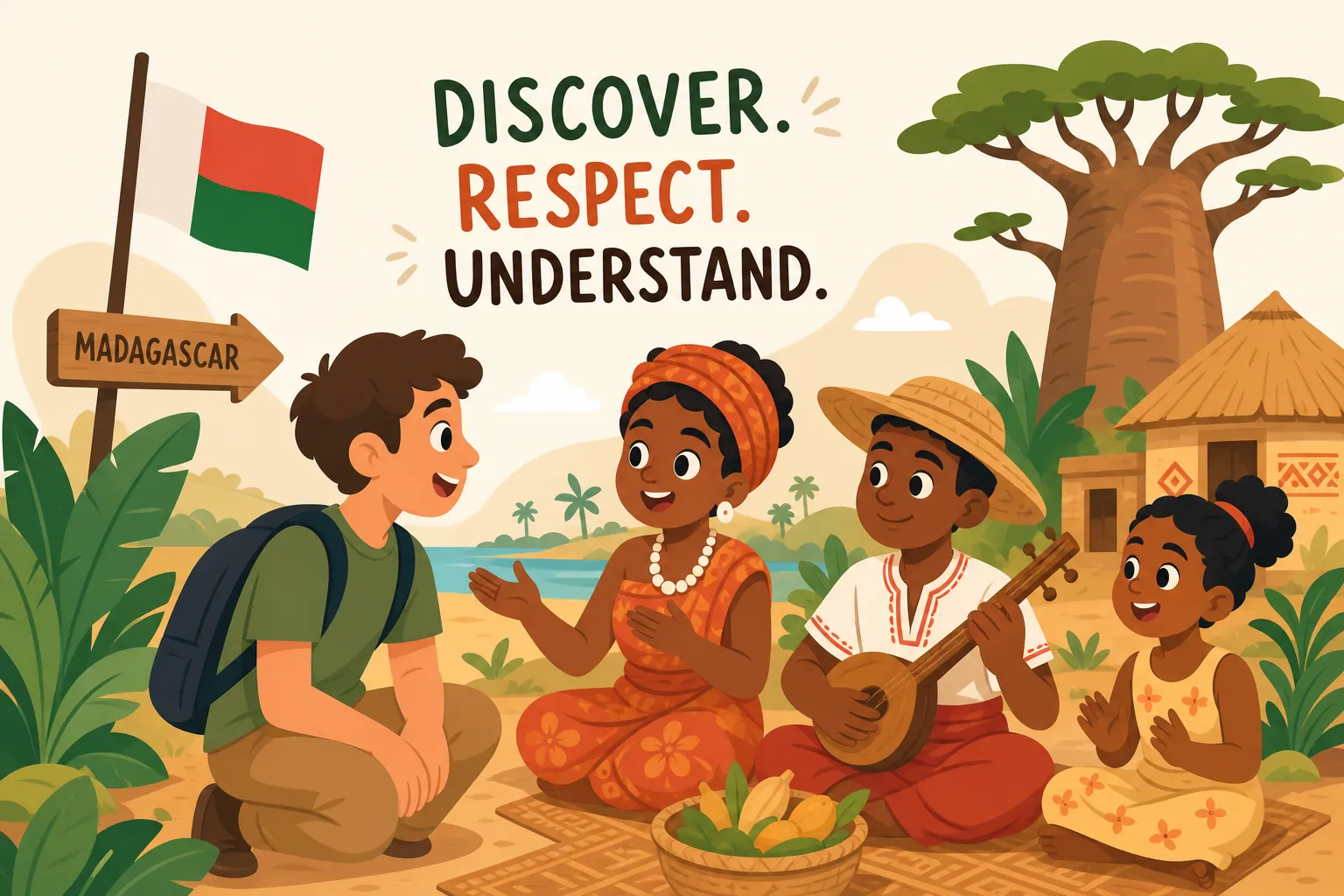 Understanding Madagascar Traditions as an Outsider
Madagascar traditions run deeper than most outsiders expect. Rather than a checklist of cultural facts you skim...Read more
Understanding Madagascar Traditions as an Outsider
Madagascar traditions run deeper than most outsiders expect. Rather than a checklist of cultural facts you skim...Read more -
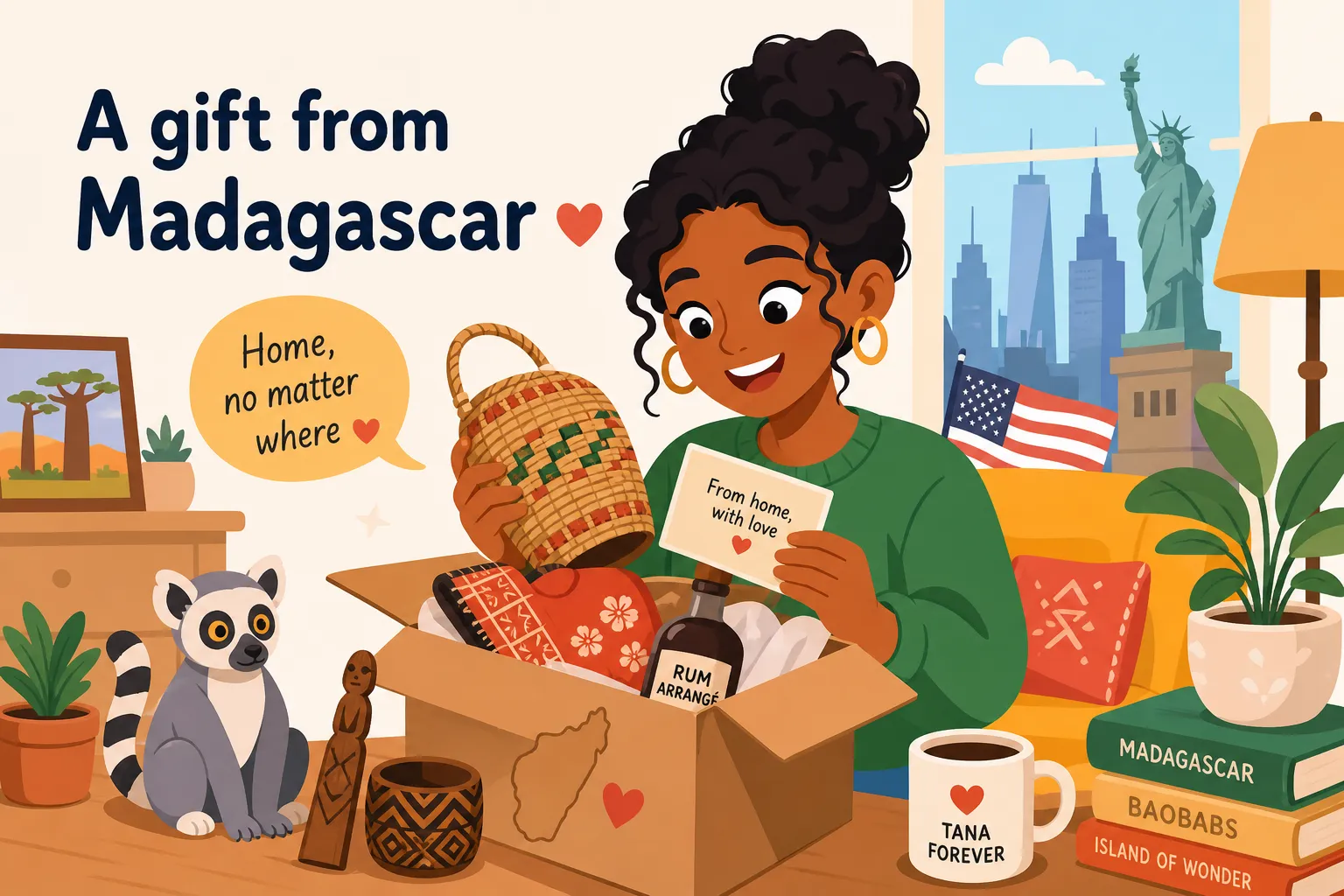 What to Gift a Malagasy Expat Living in the US ?
There's a specific kind of ache that comes with living far from the island you grew up on. It's not dramatic or...Read more
What to Gift a Malagasy Expat Living in the US ?
There's a specific kind of ache that comes with living far from the island you grew up on. It's not dramatic or...Read more -
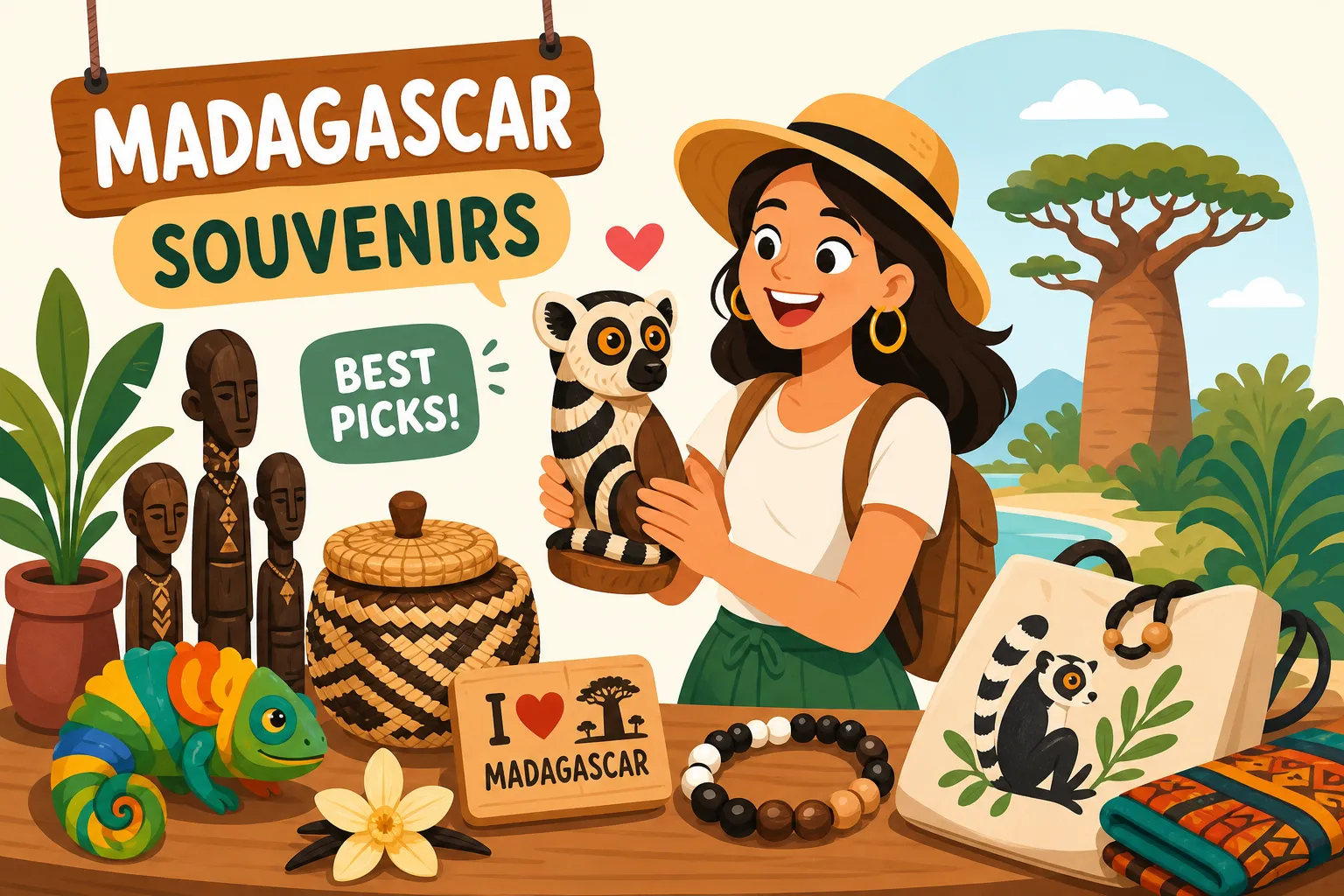 Madagascar Souvenirs: The Ultimate Buyer's Guide
Madagascar souvenirs cover an extraordinary range, from prized vanilla pods and handwoven lambas to Antaimoro paper...Read more
Madagascar Souvenirs: The Ultimate Buyer's Guide
Madagascar souvenirs cover an extraordinary range, from prized vanilla pods and handwoven lambas to Antaimoro paper...Read more
Leave a comment