 KissMada, your online Madagascar souvenir shop



Something has shifted in how people shop for cultural identity online, and it's not subtle. Cultural merchandise...
Latest posts
-
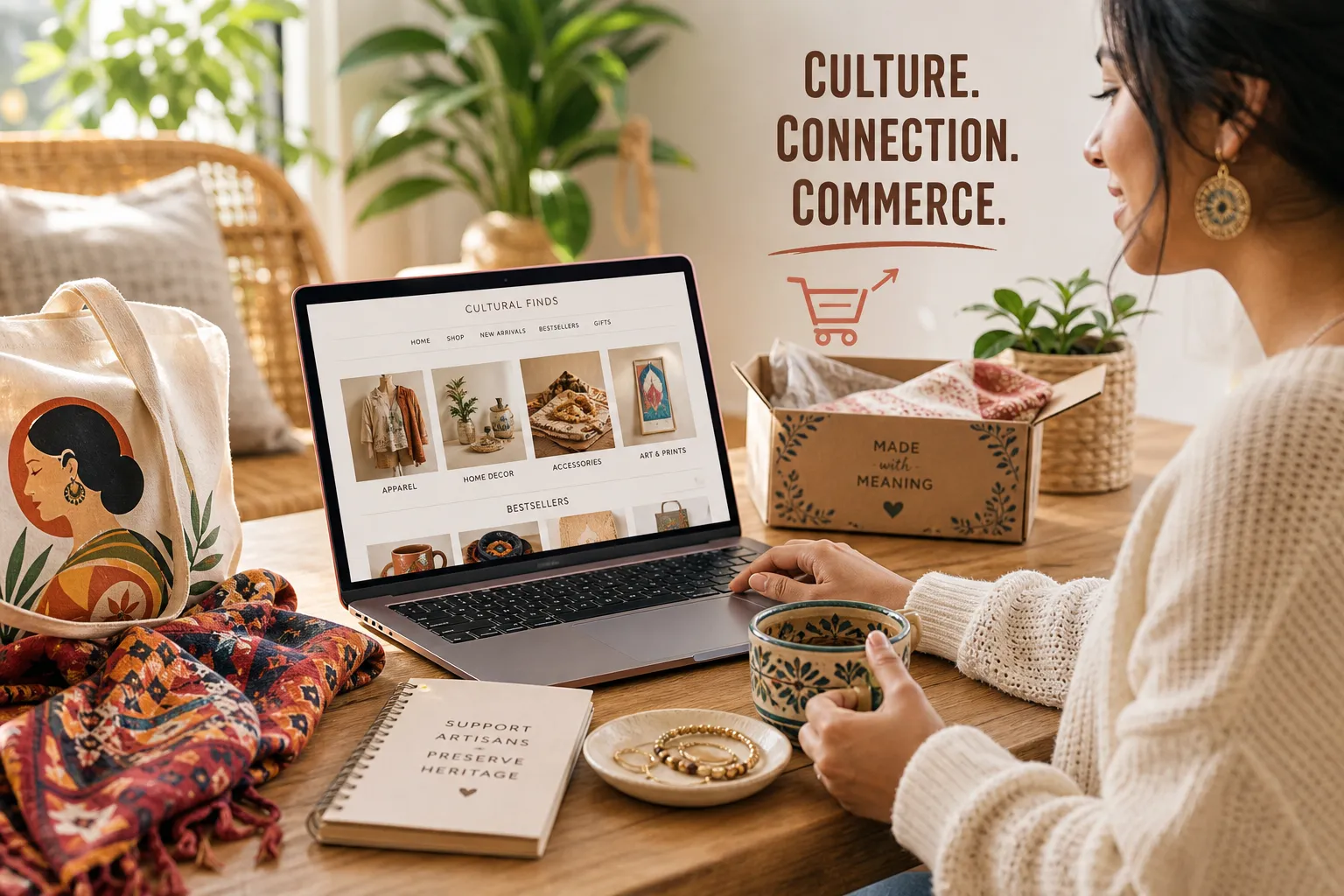 Why Cultural Merchandise Online Is Booming in 2026Read more
 -
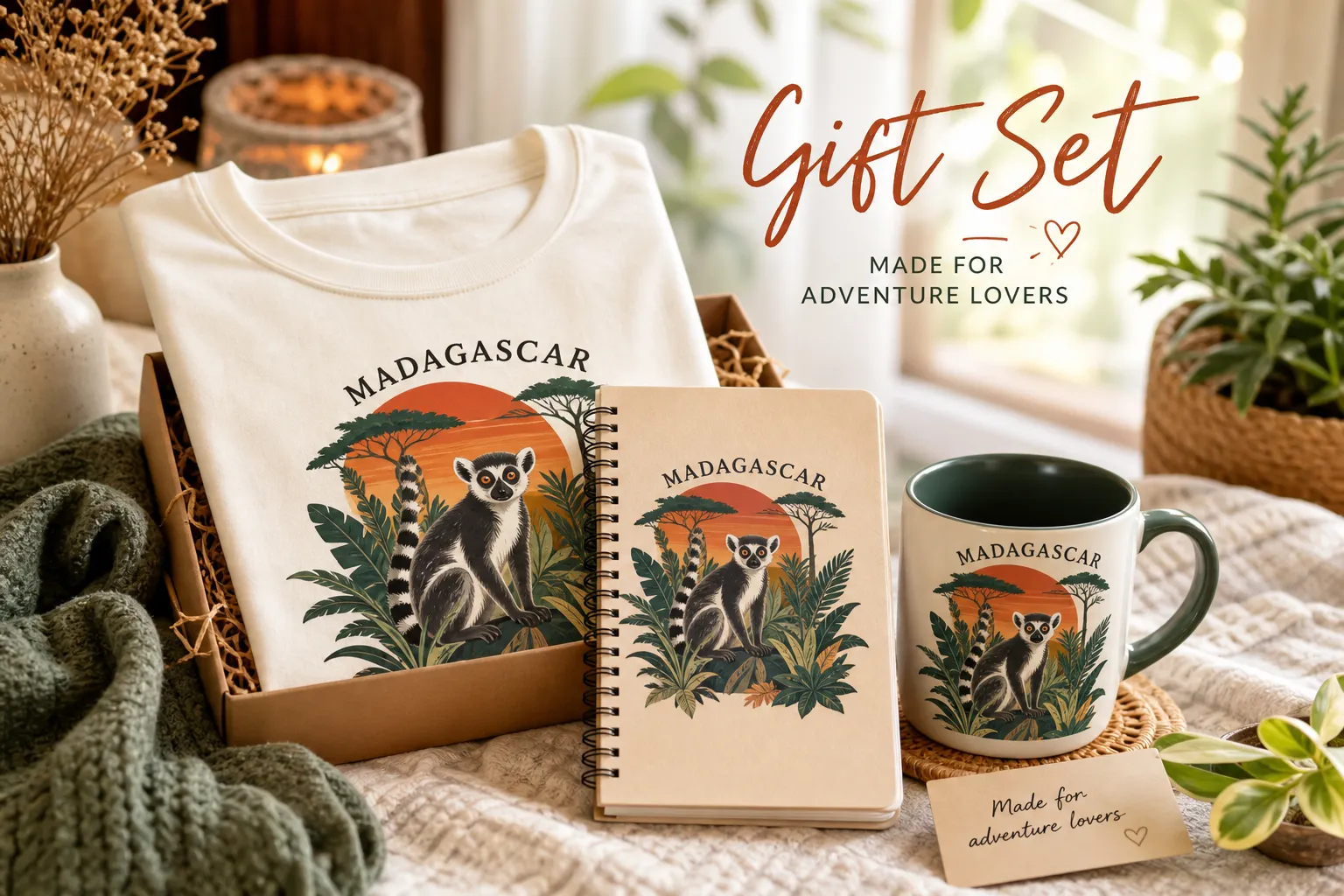 Madagascar Mug, Notebook & Shirt: The Perfect Gift SetRead more
Most Madagascar gifts end up in a drawer. The fridge magnet loses its novelty by week two. The framed photo blends...
-
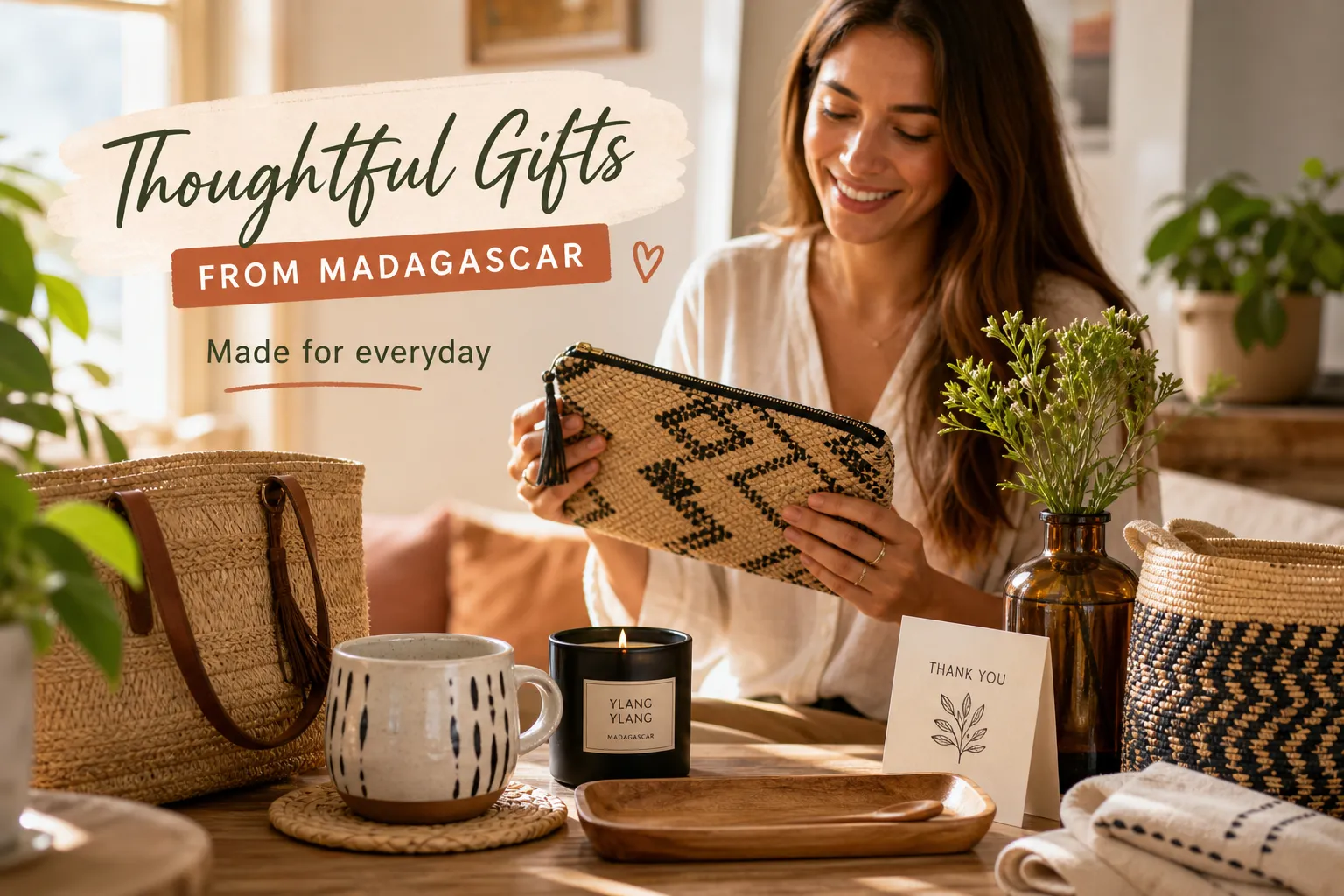 Best Everyday Madagascar Gifts People Will Actually UseRead more
The carved zebu looks great on the shelf for about a week. Then it gets pushed to the back, buried behind a candle...
-
 How to Find the Best Homeland Gifts Online StoreRead more
If you're hunting for a homeland gifts online store that actually feels authentic, this guide will help you find one...
-
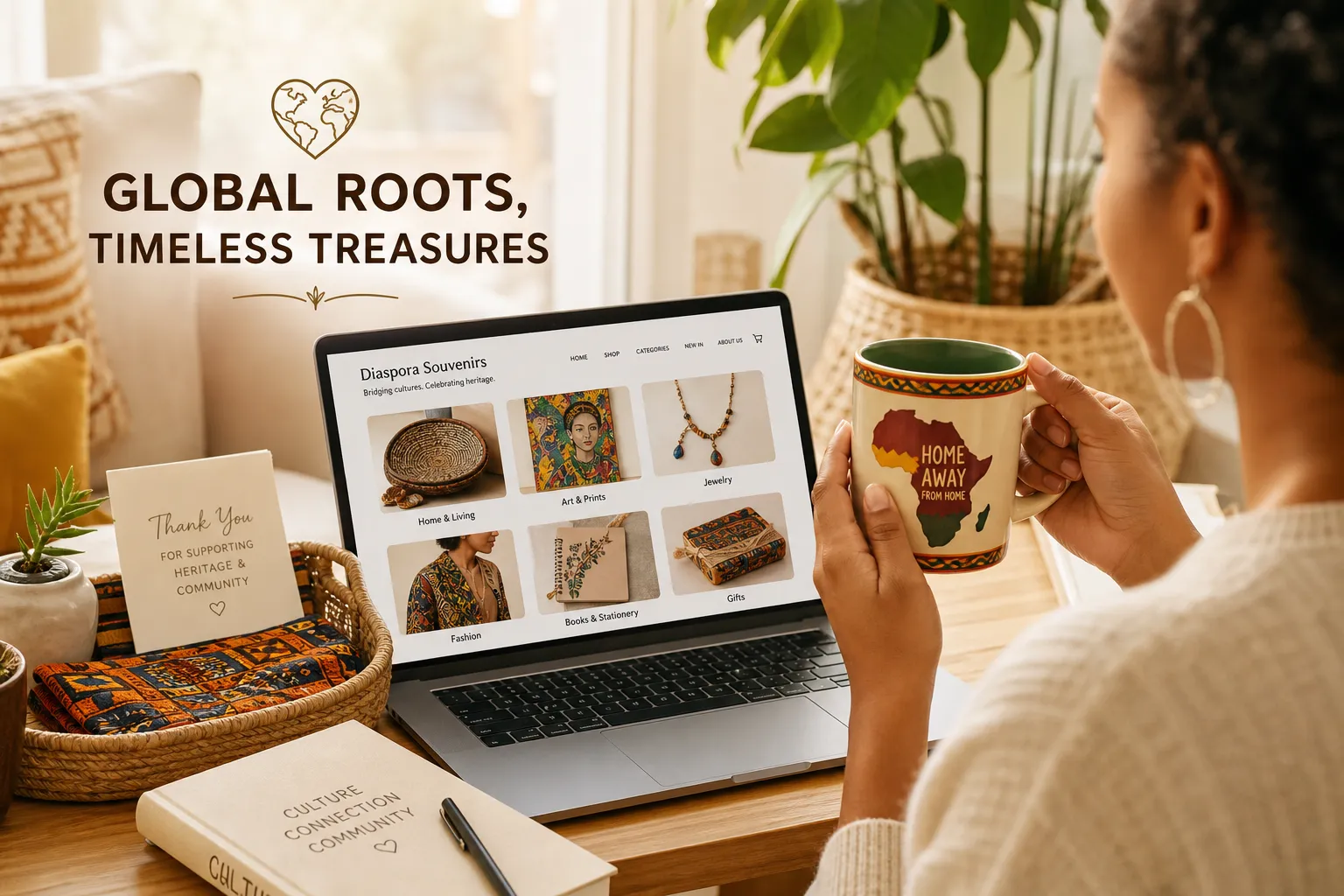 Best Diaspora Online Souvenir Shops to Know in 2026Read more
Most people searching for authentic homeland souvenirs online hit the same wall fast: generic platforms stuffed with...
-
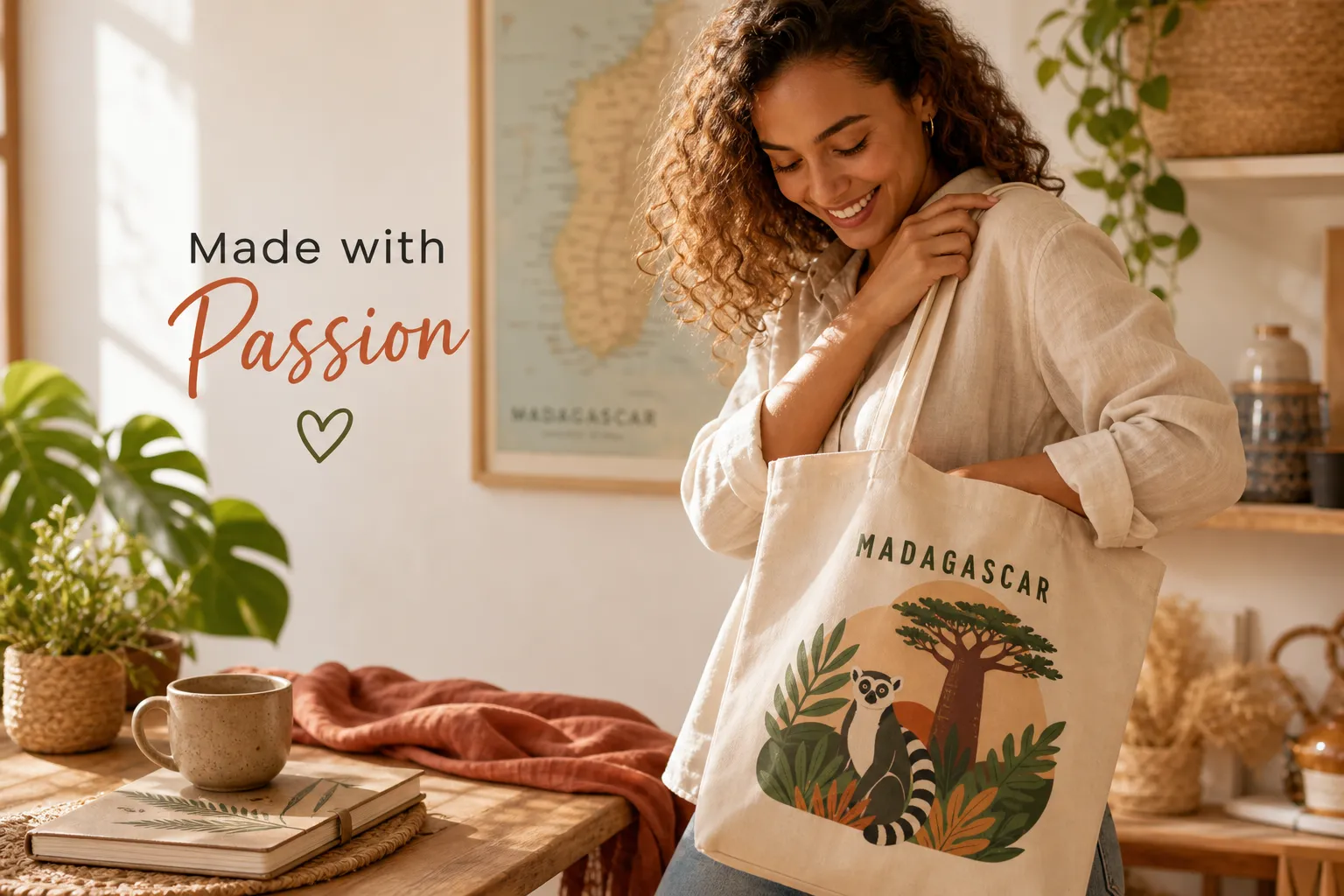 Madagascar Lifestyle Products: Wear Your Passion DailyRead more
A mug on your desk. A hoodie you reach for on a cold Tuesday morning. A tote bag that goes everywhere. These aren't...
-
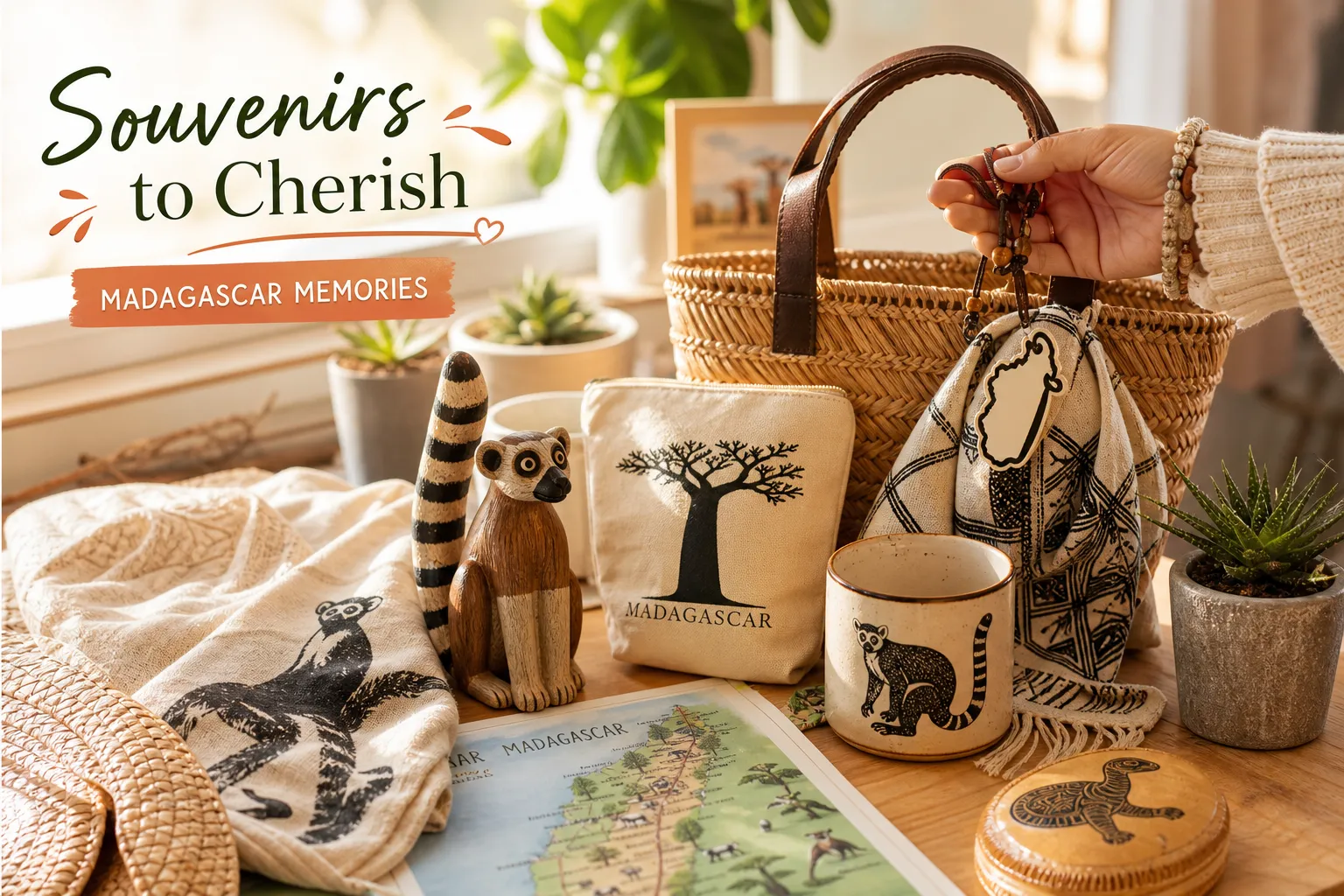 Best Souvenir Ideas After a Madagascar TripRead more
You're back. The humidity is gone, the lemurs are a memory, and you're standing in your living room holding a raffia...
-
 Madagascar Wildlife Apparel: A Guide for Nature LoversRead more
Many Madagascar animal shirts on the market share the same problem: generic stock art, forgettable prints, and no...
-
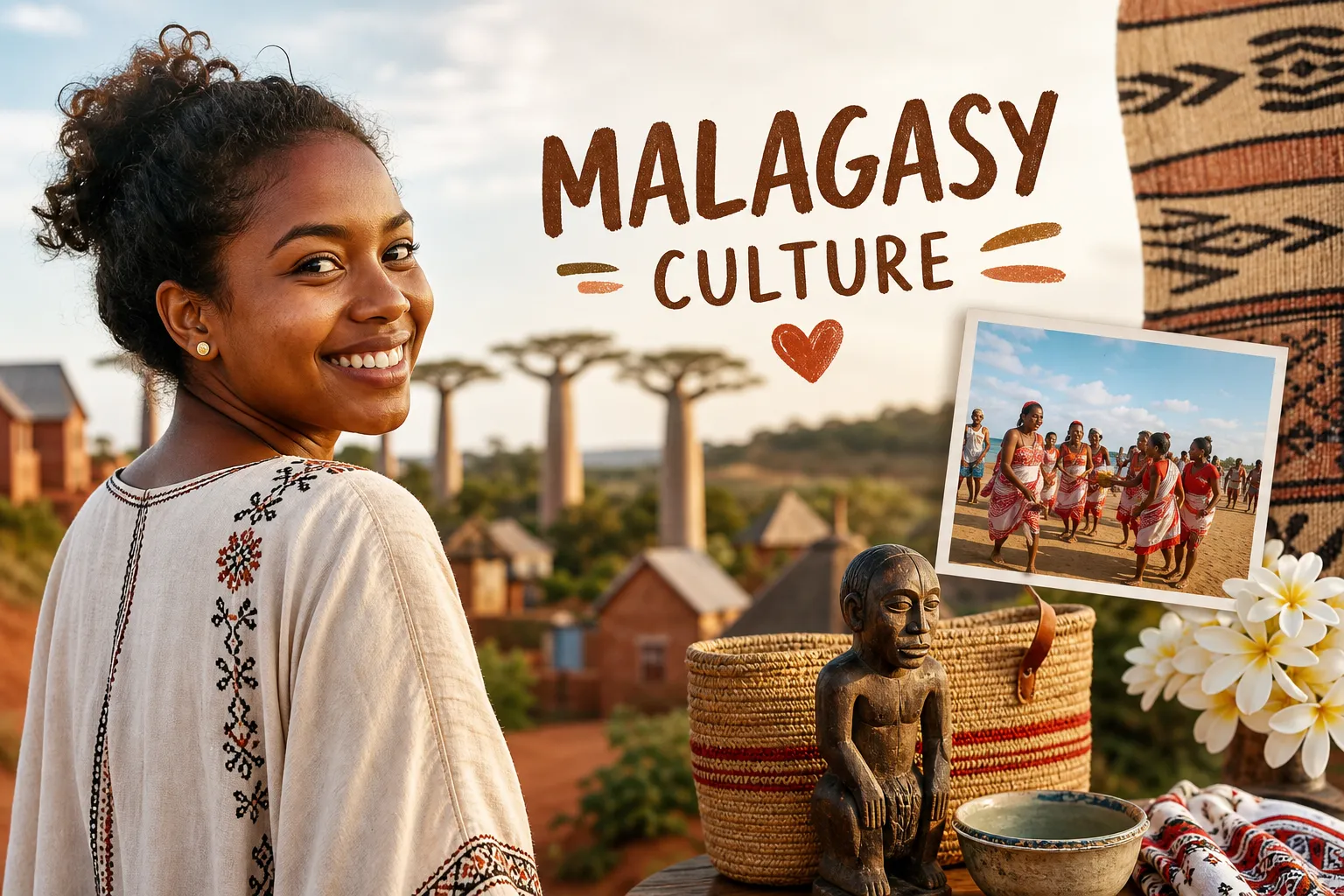 15 Malagasy Culture Facts That Will Surprise YouRead more
Many Americans know Madagascar through the DreamWorks animated film of the same name. The real island is something...
-
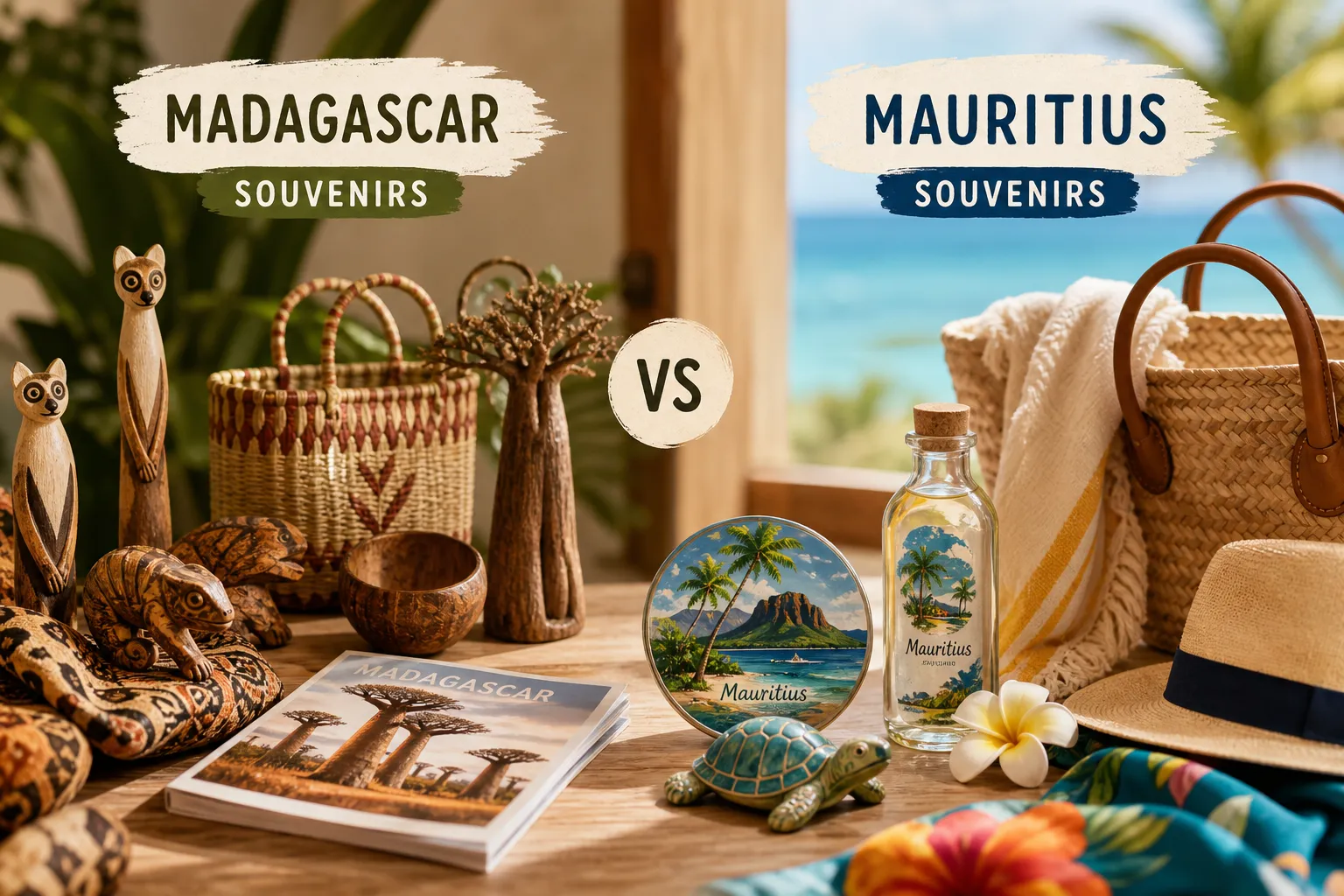 Madagascar vs Mauritius Souvenirs: Key DifferencesRead more
When comparing Madagascar vs Mauritius souvenirs, most travelers are surprised by how little overlap there actually...
Blog categories
Search in blog
Archived posts
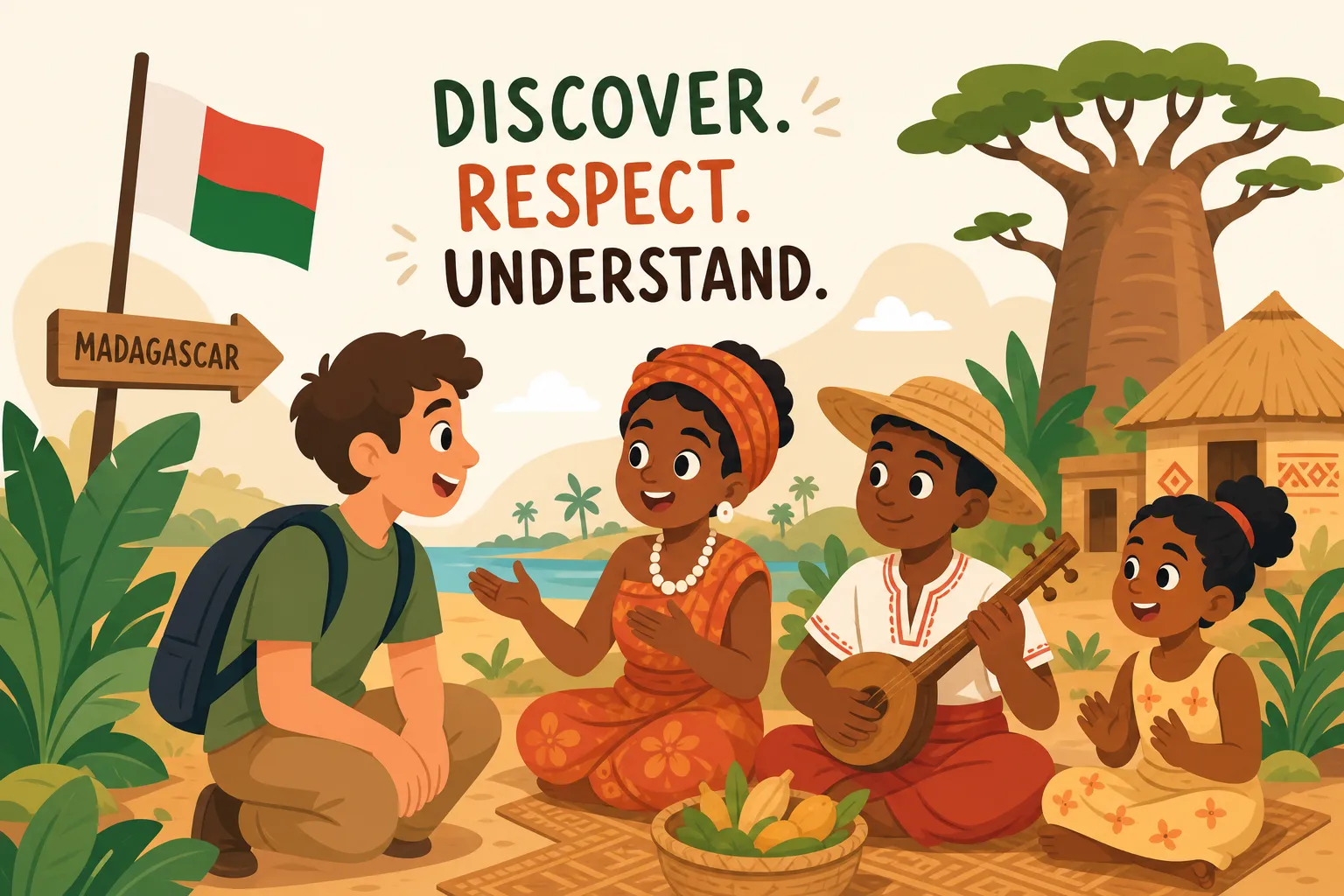
Understanding Madagascar Traditions as an Outsider
Madagascar traditions run deeper than most outsiders expect. Rather than a checklist of cultural facts you skim before a trip, they form a living system of ancestral beliefs, community rituals, and daily customs that shape how Malagasy people eat, grieve, celebrate, and stay connected across generations. Whether you just landed on the Red Island, you're a diaspora member reconnecting with your roots, or you simply fell in love with Malagasy culture from thousands of miles away, this guide is written for you.
Understanding these customs changes how you experience Madagascar. It's the same cultural depth that inspired brands like KissMada to build an entire aesthetic around Malagasy identity: when a culture this layered meets everyday life, something genuinely meaningful happens. Start here.
Madagascar traditions: famadihana, fady, and daily customs
Famadihana is Madagascar's most distinctive funerary practice, and it's almost always misunderstood by outsiders at first. The translation, "turning of the bones," sounds morbid. The reality is the opposite. Famadihana is a profound act of love, a way families maintain an unbroken bond with the people they've lost by bringing them back into the warmth of the living. The practice is most strongly associated with the Merina and Betsileo peoples of the central highlands, though related forms of ancestral reverence exist across the island.
How the ceremony unfolds
The sequence is both precise and deeply communal. Families open the ancestral tomb, carefully remove the remains, and rewrap them in fresh silk shrouds called lamba. The ancestors are then carried in procession, sometimes around the tomb, sometimes through the village, accompanied by live music, singing, and dancing. Some families write names on the new cloth or make family announcements during the ceremony, treating it as a gathering of the complete family, living and dead alike. The whole event typically lasts one to three days, though some families observe it across a full week. Timing falls every five to seven years, during the dry season between June and September, when tomb access is safest and travel is easiest for relatives coming from across the country.
What it means in the Malagasy worldview
Beneath the ritual is a belief system that positions ancestors as active, present members of the family, not distant memories. The deceased didn't disappear; they shifted into a different state of presence. Famadihana is how the living honor that relationship and keep it alive. Feasting, dancing, and laughter are central to the ceremony, not accessories to it. Community members gather from across Madagascar, and the shared celebration strengthens ties among the living just as much as it reaffirms the connection with those who have passed. If you're invited to attend as an outsider, treat it as the honor it is, participate where you're welcomed, eat what's offered, and be genuinely present rather than treating the experience as content.
Fady: the invisible rules that govern everyday life
Fady are taboos, and they function like an unwritten moral and social code woven through every layer of Malagasy life. They aren't superstitions to politely dismiss. Violating a fady, even unknowingly, causes genuine offense. The most important thing to understand about fady is that they operate at multiple levels simultaneously: some apply nationwide, many are regional, and some belong only to specific families or individuals. There is no single master list.
What fady look like in practice
Some of the most widely observed taboos include pointing at tombs, disrespecting ancestors or sacred sites, holding funerals on Tuesdays, and whistling after dark. Food-related fady are common and vary significantly by region: pork, eel, and lemur are prohibited in certain areas, while other communities restrict goat or specific types of fish. In some coastal regions, wearing red near sacred or royal sites is forbidden. The Antambahoaka community has historically observed taboos related to twins. The point here isn't to memorize every variation. Specific rules exist everywhere, they differ by place and people, and assuming otherwise will cause real problems.
The traveler's responsibility around fady
The most practical thing you can do when entering any new community is ask your guide or host directly: "Inona no fady eto?", meaning "What is taboo here?" Asking that question signals respect, not ignorance, and most locals will appreciate it. Family fady are the most personal category and often completely invisible to outsiders, which is why following your host's lead is always the safest approach. Watch what they do, mirror it, and ask when you're unsure. That posture will carry you through almost any situation with your dignity intact.
Tromba and the living bond with ancestors
Both famadihana and fady point toward the same core of Malagasy belief: ancestors remain present and influential in daily life. Tromba is where that belief becomes most visible. In this ritual practice, a living medium is believed to be inhabited by an ancestral spirit, often a royal ancestor in Sakalava communities, who speaks through the medium to advise, heal, and mediate disputes. It is practiced most prominently among the Sakalava people of western Madagascar, though related forms of spirit communication exist across the island.
How tromba ceremonies work
Music, song, and ritual invocation draw the ancestral spirit into the ceremony. Once the medium is "mounted" by the spirit, they may speak in a different voice or manner entirely. Community members bring questions, health concerns, and social conflicts to the spirit for guidance. The process is ceremonial and structured, not chaotic; it follows traditions that Sakalava communities have maintained for generations. The spirits consulted are often deceased royalty, connecting the ceremony directly to lineage, authority, and collective identity.
Why tromba matters beyond the spiritual
Tromba carries significant social function alongside its spiritual one. Anthropologists studying Sakalava communities describe it as a social performance through which communities process difficulty, resolve conflict, and reaffirm shared identity. It functions as conflict resolution, healing support, and community bonding. For diaspora members trying to understand Malagasy culture through a Western lens, tromba is one of the practices that doesn't translate easily into familiar categories. It's simultaneously religious ceremony, counseling session, and community theater. Approaching it with genuine curiosity rather than cultural assumptions is the only way to begin to understand it.
Understanding Madagascar traditions: festivals and the cultural calendar
While famadihana and tromba require intimacy and invitation, Madagascar's broader festival calendar offers more accessible entry points into Malagasy customs and celebrations. These events range from ancient ceremonial observances to nationally celebrated independence commemorations.
Key ceremonies by season
The calendar moves through several major moments across the year. Each carries its own geographic and cultural weight:
- Alahamady Be (Malagasy New Year, March): Celebrated especially in the highlands around Ambohimanga, this multi-day event includes purification rituals, communal bathing, the lighting of a sacred fire, shared meals of rice with honey and milk, and music. It marks renewal for the coming year.
- Santabary (first rice harvest, April to May): Primarily observed on the east coast, this ceremony honors the rice harvest and includes offerings to leaders as part of a ritual believed to transmit ancestral strength.
- Famadihana season (June to September): The highlands become the most accessible cultural window for visitors during these months, as families conduct their ceremonies throughout the dry season.
- Fitampoha (royal relics bathing ceremony, August): Held in Belo sur Tsiribihina in the west, this ceremony centers on the ritual bathing of sacred royal relics and is one of the most significant events in Sakalava cultural life.
- Donia Music Festival (Nosy Be): An internationally known celebration that gives outsiders a welcoming entry into Malagasy cultural expression without the intimacy required at family ceremonies.
Independence Day and national celebrations
June 26 is Independence Day, and it amplifies Malagasy cultural pride publicly across the country, with the most visible celebrations happening in Antananarivo. October brings Madajazzcar, an arts festival that puts contemporary Malagasy music and culture in front of international audiences. These events are natural starting points for travelers who want genuine cultural access but aren't yet embedded in a family or community network. They're celebratory, welcoming, and representative of how Madagascar's living culture continues to evolve.
Daily customs, food culture, and how Malagasy people connect
Understanding the big ceremonies matters, but so does knowing how Malagasy people move through ordinary days together. The same values that structure famadihana and tromba show up in how people greet each other, share meals, and signal respect across everyday social settings.
The role of elders and communal meals
Respect for elders isn't ceremonial; it's constant. You greet the eldest person in a room first. You don't eat before the elder or host begins. When receiving or offering something, using both hands signals respect, and avoiding pointing at people with a single finger matters just as much. These aren't performance rules you apply at official events. They reflect a genuine cultural value around hierarchy, community, and mutual obligation that runs through all of Malagasy social life, from village gatherings to city apartments.
Food traditions and what meals communicate
Rice, or vary, is the absolute staple of Malagasy eating, and it holds social meaning far beyond nutrition. It appears at every meal, and in ceremonial settings it also functions as an offering to ancestors and a symbol of family unity. At famadihana, the signature dish is vary be menaka: rice cooked with zebu or pork, rich and abundant, served as part of a communal feast that signals joy, generosity, and ancestral respect. Zebu meat, toaka gasy (local rum), and communal sharing are central to how celebrations mark the presence of family, both living and ancestral. Because food taboos vary by region, asking before eating anything unfamiliar is both polite and genuinely practical.
Practical tips for outsiders engaging with Madagascar traditions
All the guidance in this article converges on a single posture: humility paired with genuine curiosity. Malagasy communities are warm toward outsiders who approach with that combination. The practical steps below give you a framework for any ceremony, gathering, or cultural encounter.
Before and during any ceremony
Ask about fady before you arrive. Dress modestly and avoid red clothing in many coastal areas unless you know it's acceptable. Never photograph tombs, rituals, or family ceremonies without explicit permission from your hosts. If you're invited to a famadihana, accept with gratitude, participate where you're invited, eat what's offered, and be genuinely present rather than treating the experience as content. Follow the host family's lead on everything, because they know what's appropriate in their specific context better than any general guide ever will.
The mindset that makes all the difference
Respectful participation isn't about memorizing every rule. It's about arriving with deference and a real desire to understand rather than just observe. The fact that you're reading about these traditions before you encounter them is already the right instinct. Bring that same instinct into any cultural encounter on the Red Island, and it will carry you further than any checklist.
These traditions are alive right now
Famadihana happens every dry season. Fady are observed today. Tromba ceremonies bring communities together across Madagascar right now. These aren't relics preserved for tourists; they're living, evolving practices that remain deeply meaningful to the Malagasy people who carry them. For outsiders, respecting Madagascar traditions is an act of genuine engagement, and often a profound shift in how you see the world.
For Malagasy diaspora members living far from the Red Island, these traditions don't disappear. They adapt. They show up in the way families gather, the food they cook, the stories they pass down, and the everyday objects they choose to surround themselves with. That's the spirit behind KissMada: keeping the symbols, stories, and pride of Madagascar visible in daily life, no matter where in the world you happen to be. Every design in the KissMada collection is rooted in the same cultural richness this article only begins to describe, a way to carry a piece of the Red Island with you, wherever you are.
Posted in:
Madagascar
Related posts
-
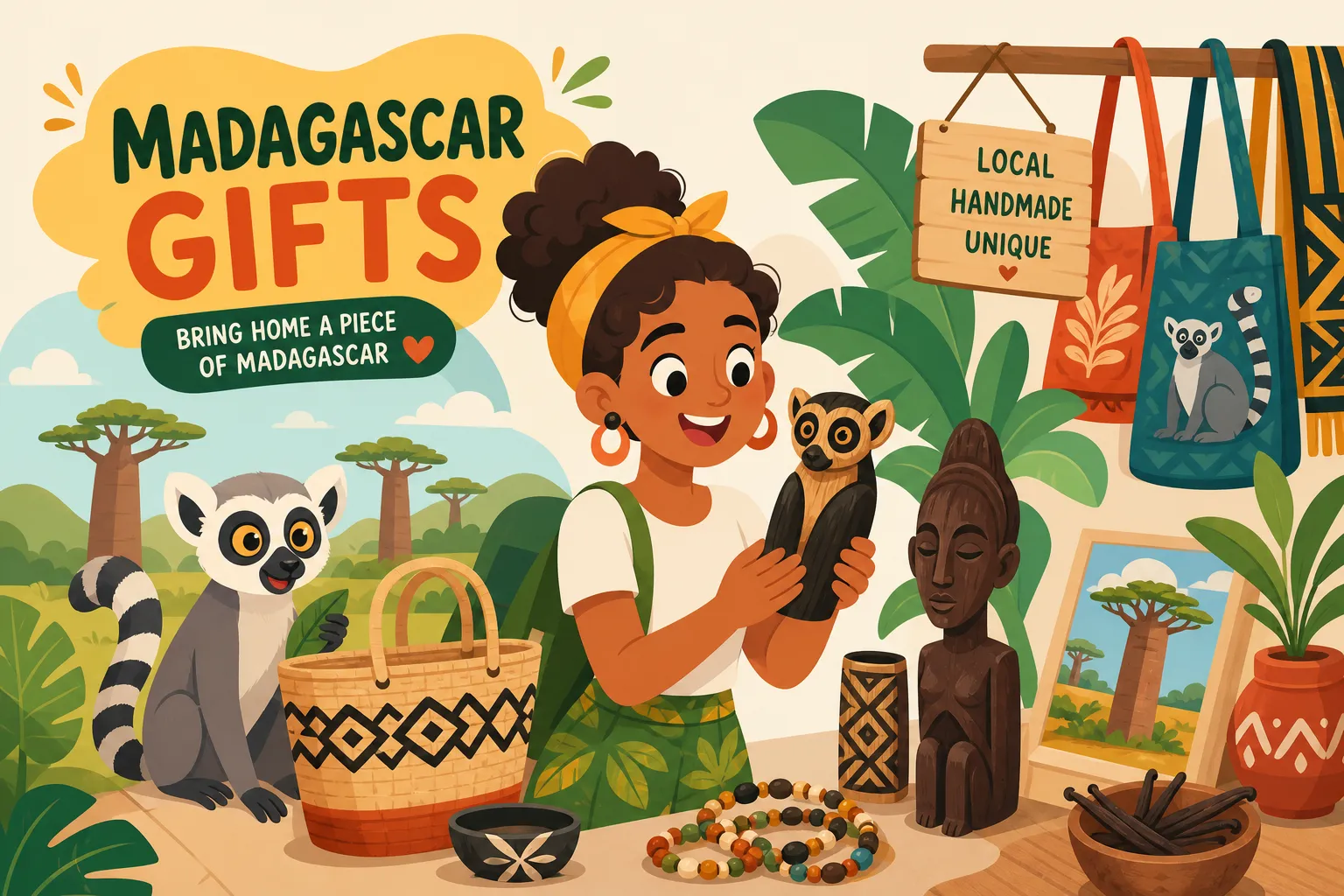 Madagascar Gifts: What to Buy and Where to Find Them
You're searching for Madagascar gifts and the options feel all over the place. On one end, you've got DreamWorks...Read more
Madagascar Gifts: What to Buy and Where to Find Them
You're searching for Madagascar gifts and the options feel all over the place. On one end, you've got DreamWorks...Read more -
 African Island Souvenir Comparison: Which Is Best?
Picture this: you're standing in a crowded market stall, surrounded by carved figurines, spice packets, printed...Read more
African Island Souvenir Comparison: Which Is Best?
Picture this: you're standing in a crowded market stall, surrounded by carved figurines, spice packets, printed...Read more -
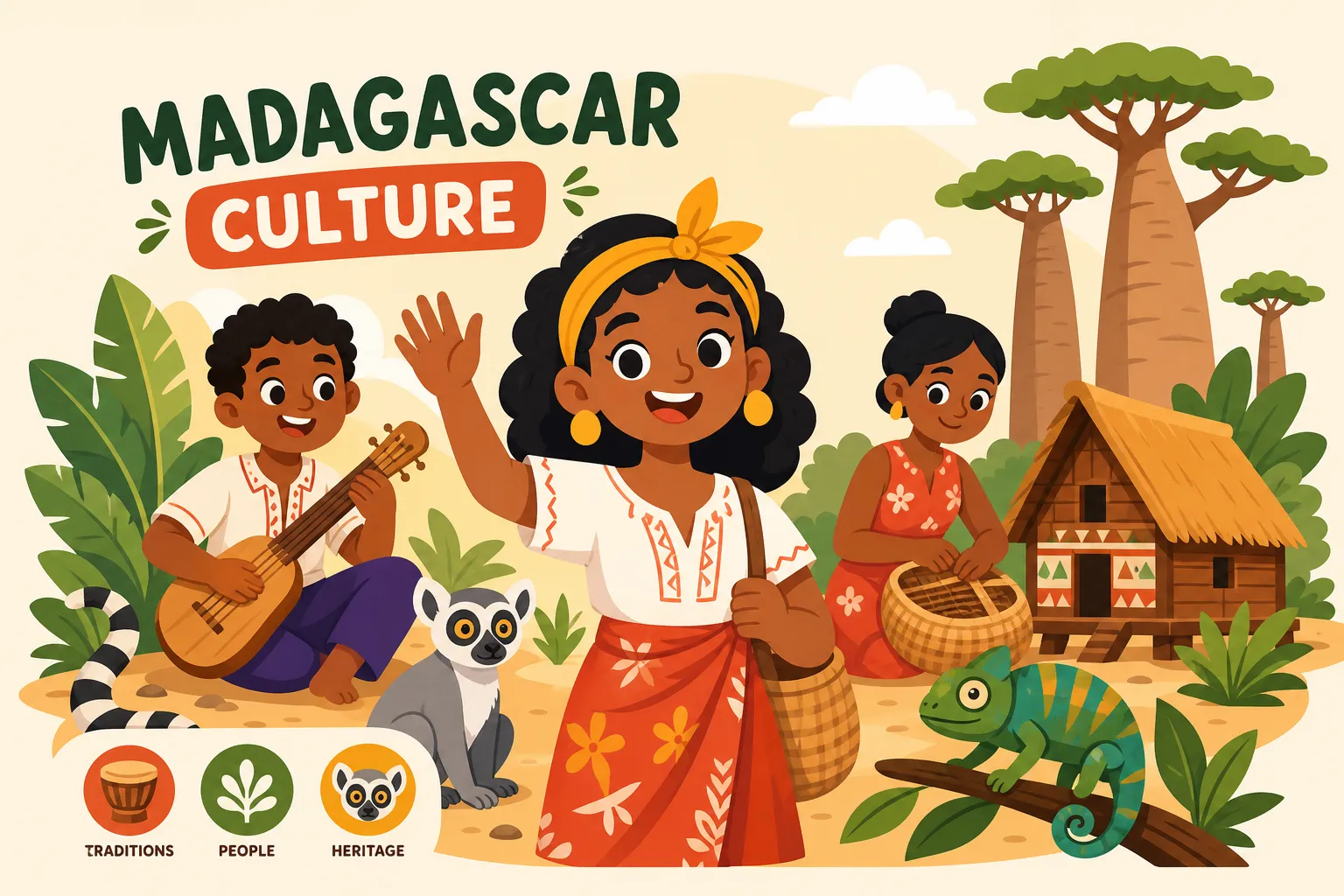 Madagascar Culture Explained for Beginners
Whether you're packing a bag for Antananarivo, writing a research paper, or trying to reconnect with roots you grew...Read more
Madagascar Culture Explained for Beginners
Whether you're packing a bag for Antananarivo, writing a research paper, or trying to reconnect with roots you grew...Read more -
 What to Gift a Malagasy Expat Living in the US ?
There's a specific kind of ache that comes with living far from the island you grew up on. It's not dramatic or...Read more
What to Gift a Malagasy Expat Living in the US ?
There's a specific kind of ache that comes with living far from the island you grew up on. It's not dramatic or...Read more -
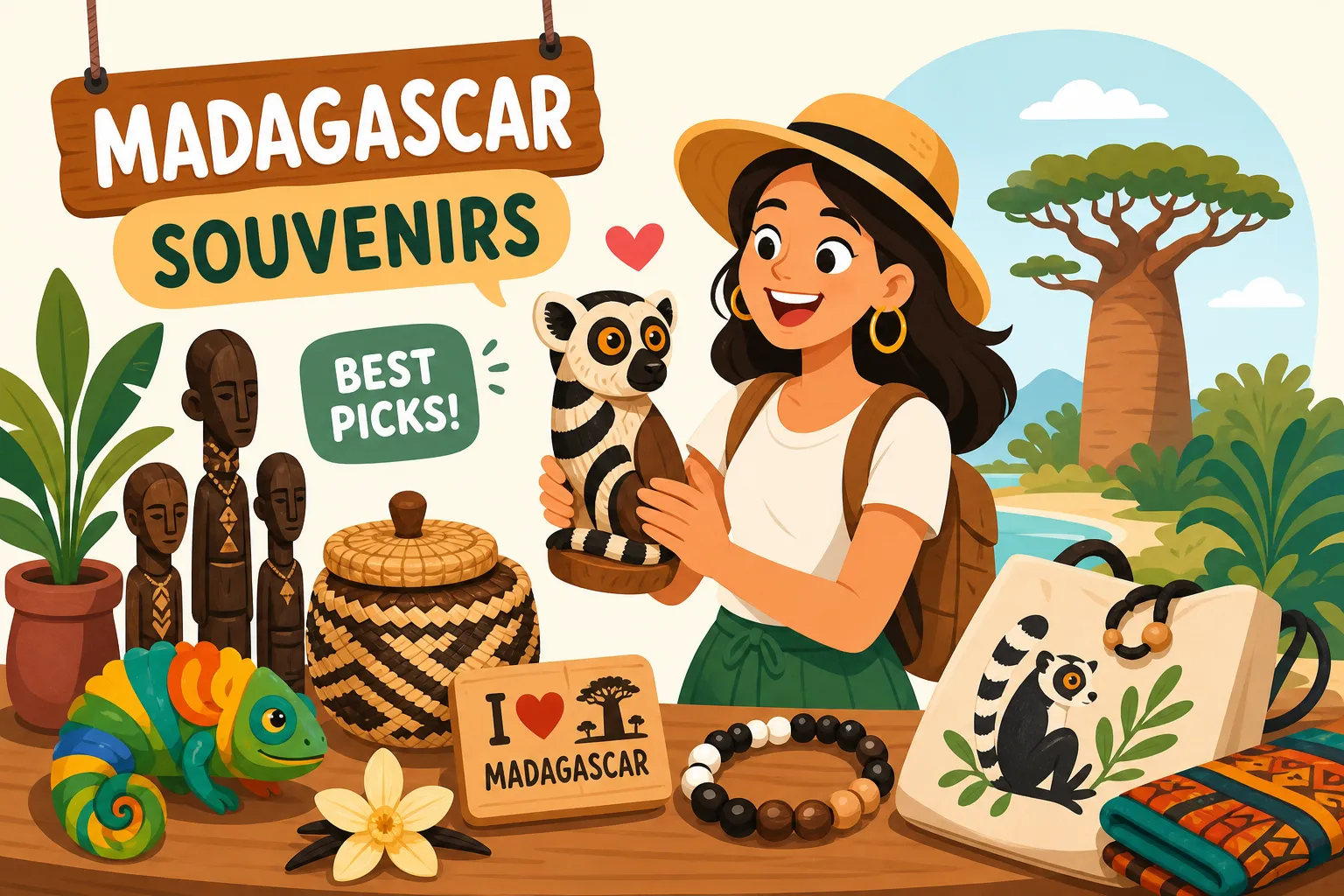 Madagascar Souvenirs: The Ultimate Buyer's Guide
Madagascar souvenirs cover an extraordinary range, from prized vanilla pods and handwoven lambas to Antaimoro paper...Read more
Madagascar Souvenirs: The Ultimate Buyer's Guide
Madagascar souvenirs cover an extraordinary range, from prized vanilla pods and handwoven lambas to Antaimoro paper...Read more
Leave a comment