 KissMada, your online Madagascar souvenir shop



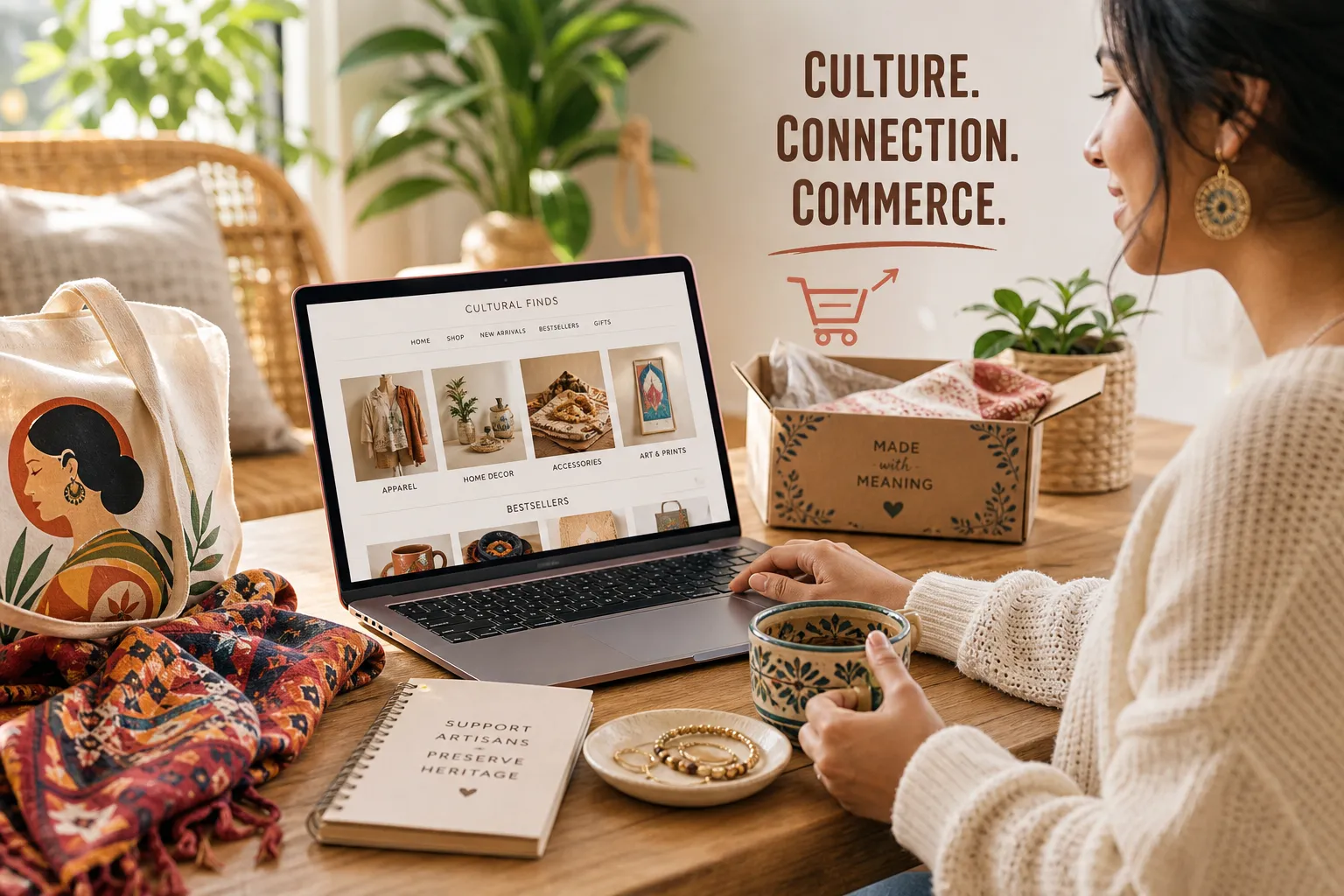
Something has shifted in how people shop for cultural identity online, and it's not subtle. Cultural merchandise...
Latest posts
-
 Why Cultural Merchandise Online Is Booming in 2026Read more
 -
 Madagascar Mug, Notebook & Shirt: The Perfect Gift SetRead more
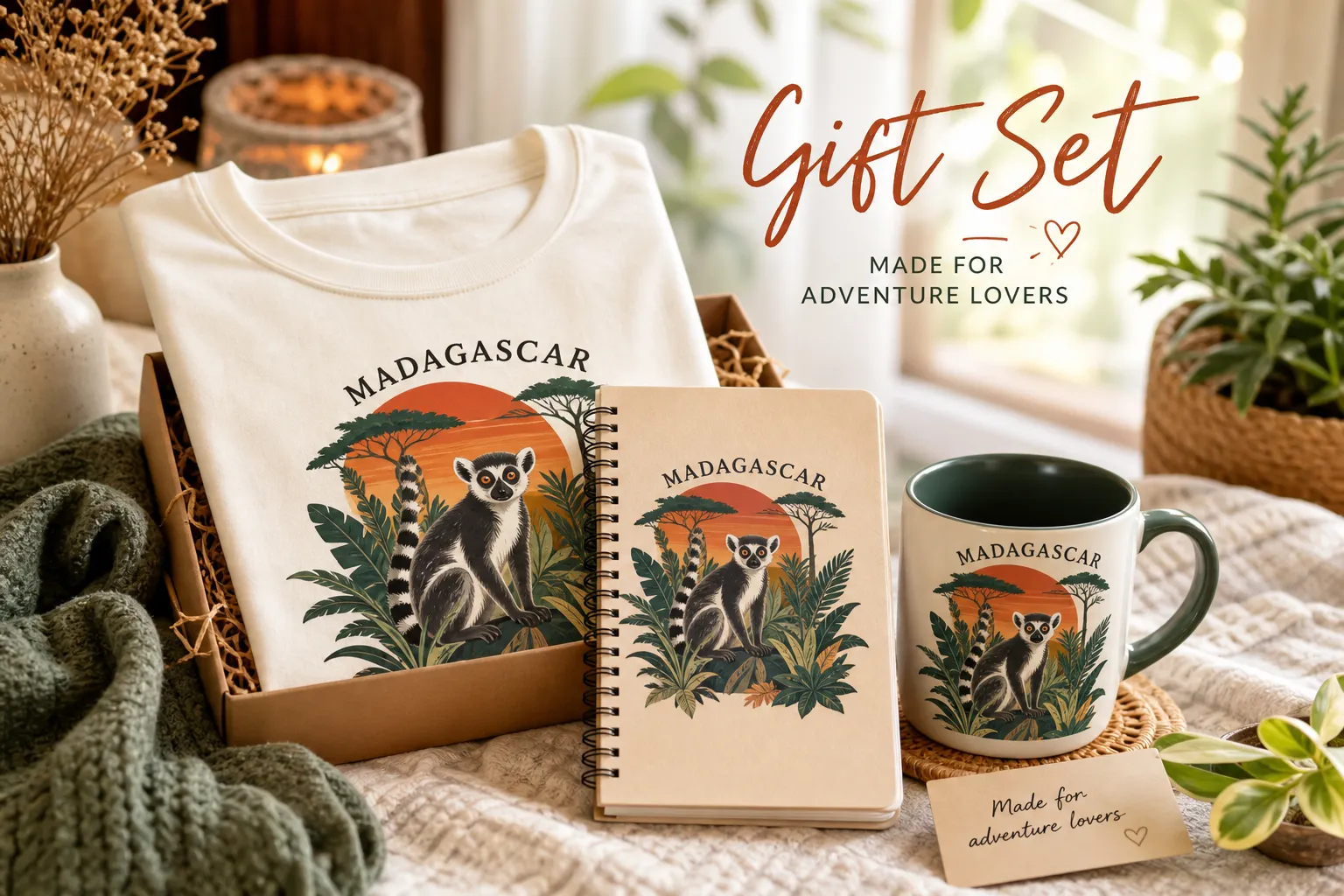
Most Madagascar gifts end up in a drawer. The fridge magnet loses its novelty by week two. The framed photo blends...
-
 Best Everyday Madagascar Gifts People Will Actually UseRead more
The carved zebu looks great on the shelf for about a week. Then it gets pushed to the back, buried behind a candle...
-
 How to Find the Best Homeland Gifts Online StoreRead more
If you're hunting for a homeland gifts online store that actually feels authentic, this guide will help you find one...
-
 Best Diaspora Online Souvenir Shops to Know in 2026Read more
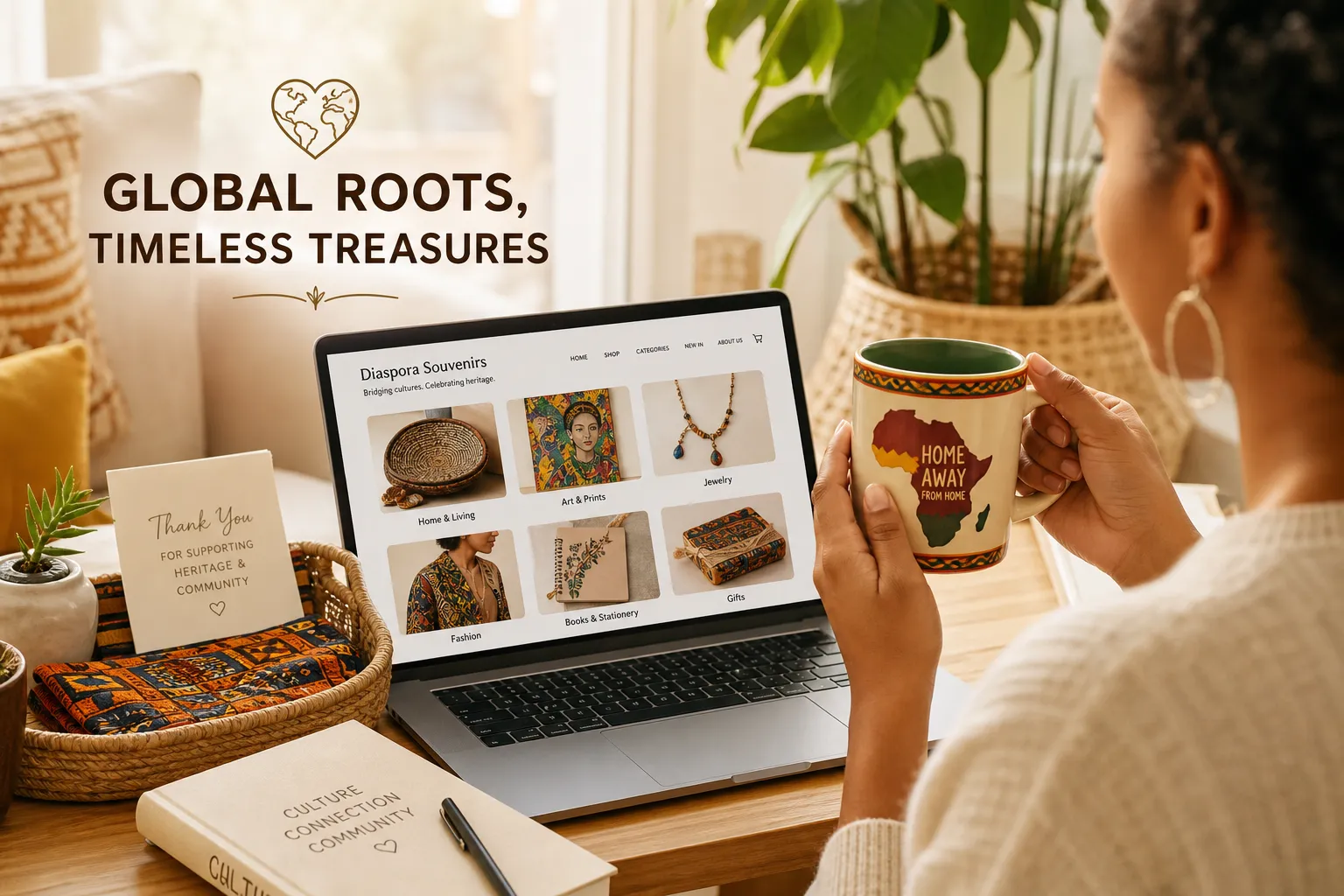
Most people searching for authentic homeland souvenirs online hit the same wall fast: generic platforms stuffed with...
-
 Madagascar Lifestyle Products: Wear Your Passion DailyRead more
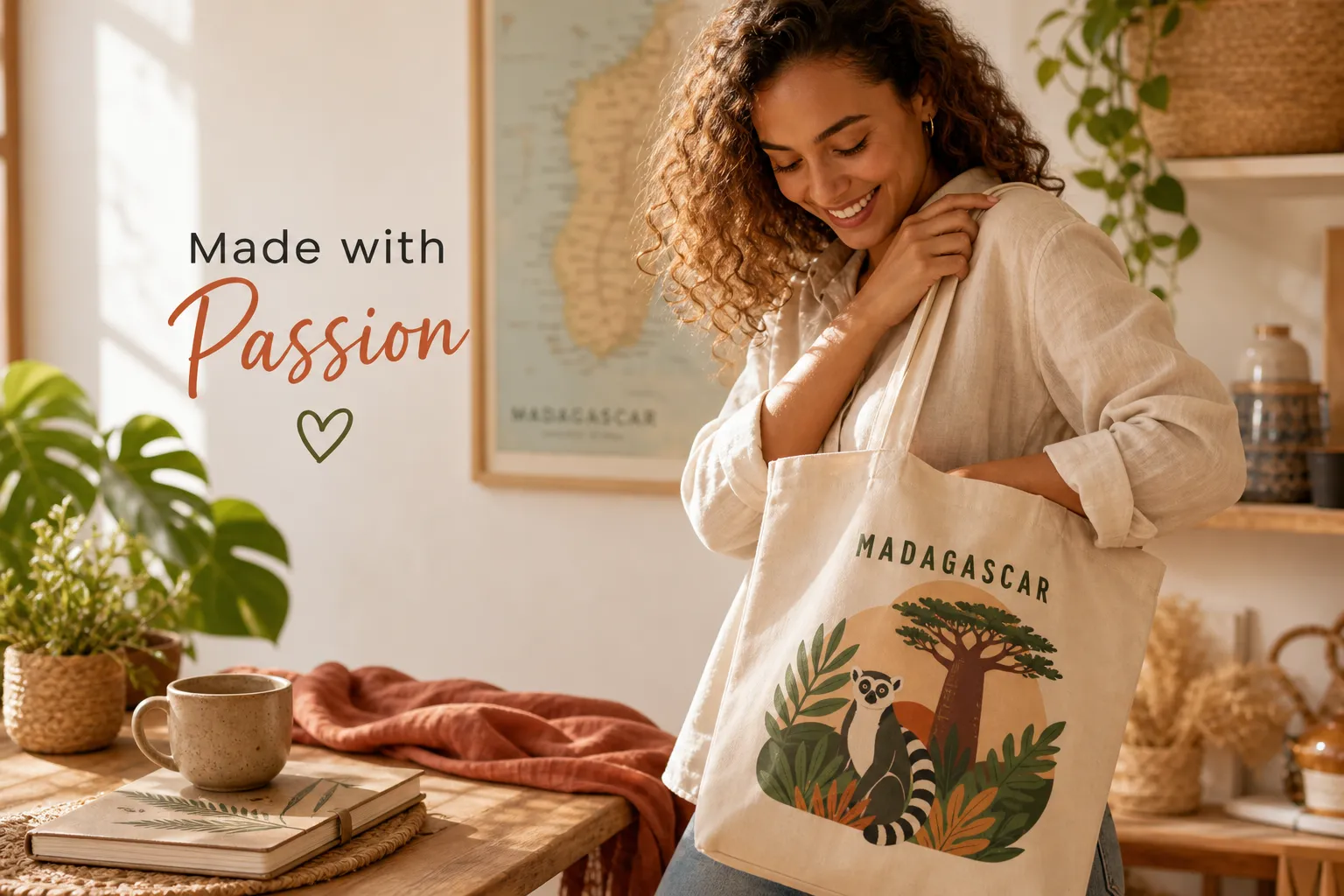
A mug on your desk. A hoodie you reach for on a cold Tuesday morning. A tote bag that goes everywhere. These aren't...
-
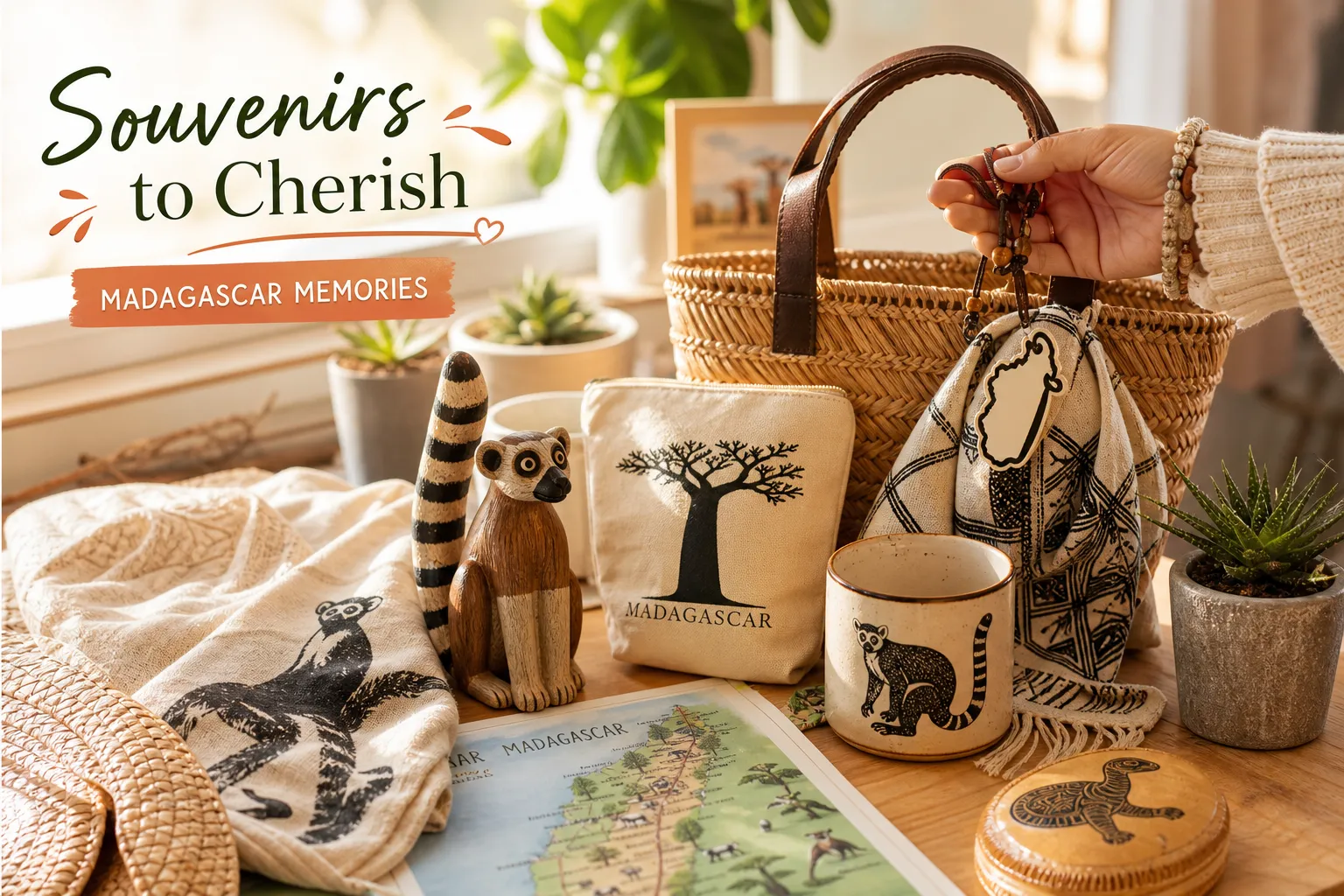 Best Souvenir Ideas After a Madagascar TripRead more
You're back. The humidity is gone, the lemurs are a memory, and you're standing in your living room holding a raffia...
-
 Madagascar Wildlife Apparel: A Guide for Nature LoversRead more
Many Madagascar animal shirts on the market share the same problem: generic stock art, forgettable prints, and no...
-
 15 Malagasy Culture Facts That Will Surprise YouRead more
Many Americans know Madagascar through the DreamWorks animated film of the same name. The real island is something...
-
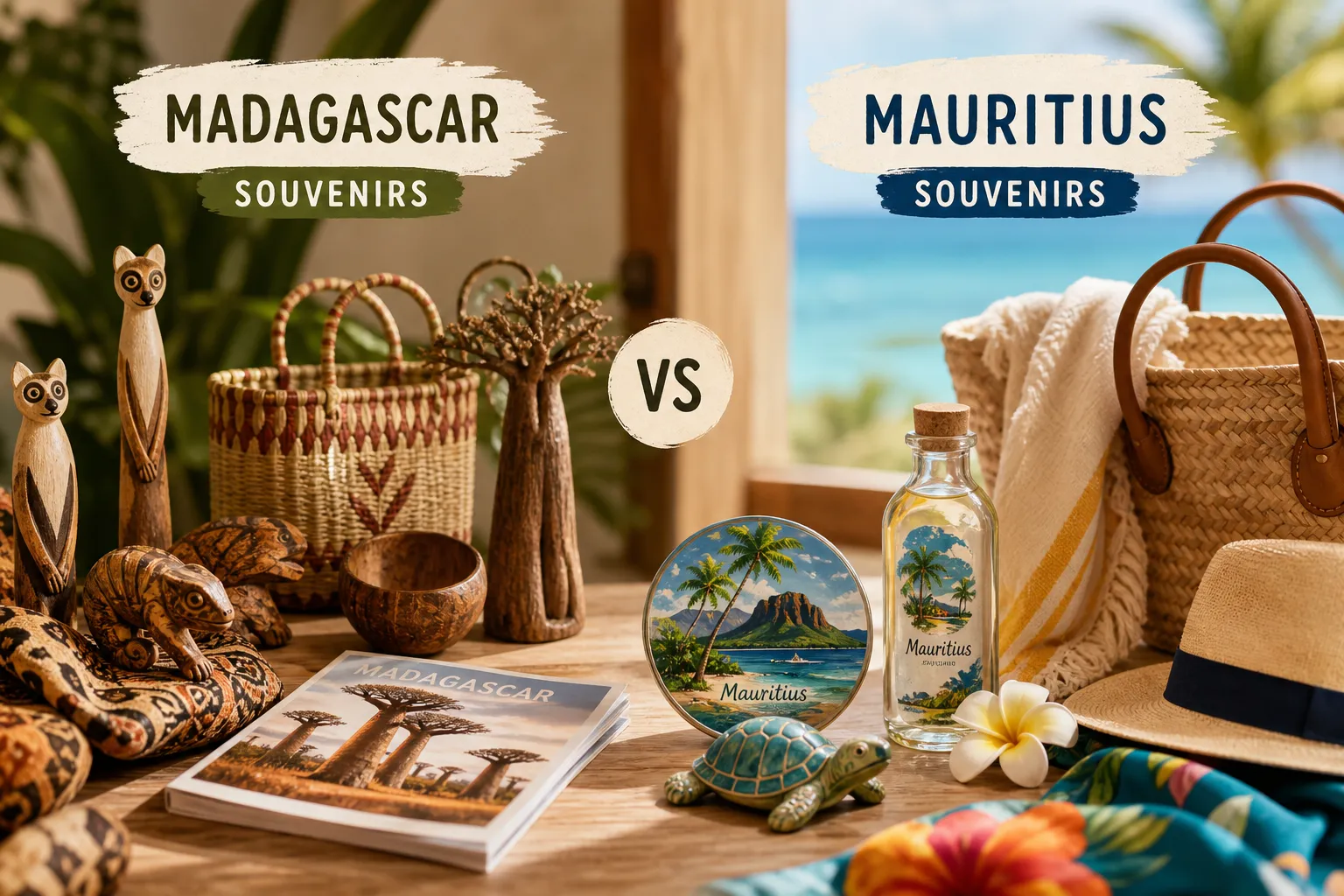 Madagascar vs Mauritius Souvenirs: Key DifferencesRead more
When comparing Madagascar vs Mauritius souvenirs, most travelers are surprised by how little overlap there actually...
Blog categories
Search in blog
Archived posts

Madagascar Souvenirs: The Ultimate Buyer's Guide
Madagascar Souvenirs: The Ultimate Buyer's Guide
Madagascar souvenirs cover an extraordinary range, from prized vanilla pods and handwoven lambas to Antaimoro paper embedded with pressed wildflowers, but the souvenir landscape on the island is wildly uneven. Genuine handmade treasures sit three stalls away from mass-produced imports, with no clear signal about what's authentic, what's legal to export, or what will survive the flight back to the US. This guide cuts through all of that. It covers a curated selection of authentic Malagasy keepsakes organized by category, the best places to find them, what you should expect to pay, and which items will get flagged at customs. For anyone who wants a Madagascar memento without the guesswork, there's also a section on modern options like KissMada , an online shop built specifically for this gap.
The best Madagascar souvenirs by category
The strongest authentic keepsakes from Madagascar fall into three natural groups: edible goods, handcrafted home items, and wearables. Each category has clear standouts and a few items worth avoiding.
Edible keepsakes worth the extra carry-on space
Vanilla pods from the Sava region in northeastern Madagascar are the undisputed crown jewel of Malagasy food souvenirs. The island produces some of the world's most prized vanilla, and buying directly from a market vendor or verified shop puts exceptional quality in your hands at a fraction of US specialty-store prices, market rates in Antananarivo run roughly 20,000 to 120,000 Ariary per 50 to 100 grams, compared to $10 or more per pod at US retailers. Beyond vanilla, Madagascar offers cloves, black pepper, cinnamon, wild honey, and locally made chocolate, all travel-ready and genuinely giftable. These items do carry customs requirements, particularly for vanilla, so bring the right paperwork; with documentation in hand, dried spices and processed foods generally clear US entry more smoothly than plant material or wildlife products.
Handcrafted home goods and paper art
Antaimoro paper (also spelled Antemoro) is one of the most distinctive crafts the island produces. Made by the Antaimoro people of southeastern Madagascar from the bark of the avoha plant, the paper is handbeaten into sheets and often embedded with pressed flowers. The finished sheets are sold as notebooks, bookmarks, lampshades, photo frames, and decorative panels. The tradition originates near Manakara and Vohipeno on the southeast coast, but today the production hub is Ambalavao in the southern highlands, with commercial items widely available throughout Antananarivo.
Wood carvings deserve a clear-eyed note: small Zafimaniry-style pieces from legally sourced local hardwoods are genuine, beautiful, and worth buying. Anything described as ebony or rosewood is both a legal red flag and an ethical problem, full stop. Raffia baskets, woven mats, and placemats complete this category and are often easy to pack flat, making them practical choices for travelers watching luggage space.
Wearables and accessories made the Malagasy way
The lamba is Madagascar's defining textile: a handwoven cloth worn as a shawl, wrap, or ceremonial garment, with regional patterns that tell you something about where and by whom it was made. A genuine handwoven lamba has slight irregularities in the weave. That's not a defect, it's the clearest sign you're holding real craftsmanship. Raffia hats and bags, zebu horn jewelry, and embroidered silk scarves complete the wearables picture. Zebu horn items are generally not subject to CITES regulations because domestic bovine horn is not a listed species, but it's worth asking the seller to confirm the material source if you have any doubt.
Where to buy Madagascar souvenirs on the island
Location matters enormously in Madagascar. The gap between a genuine artisan market and a tourist trap stall can be a single street wide.
The best markets in Antananarivo
The capital gives you the strongest concentration of reliable options. Marché Artisanal de la Digue (near Ivato airport on Route de l'Aéroport) is the go-to for breadth and last-minute buying: dozens of stalls, a wide product range, and convenient access before your flight. Andravoahangy Market is the city's largest general handicraft market and a good place to spend real time browsing. Analakely Market in the city center offers the classic open-market atmosphere alongside a solid selection of Malagasy crafts.
For higher-end paper goods, horn crafts, and curated artisan pieces, the boutiques in Isoraka and Antaninarenina are worth the detour. Lisy Art Gallery in Antanimora is specifically noted for quality crafts and is among the more reliable spots for fine items like zebu horn marquetry and local vanilla. These curated venues cost more than open-market stalls, but that markup typically reflects traceable sourcing and consistent quality.
Shopping outside the capital
Outside Antananarivo, the picture is less clear-cut. Nosy Be and Toamasina don't have a well-documented equivalent to the capital's dedicated craft markets, and specific verified shops in those cities are not reliably sourced in available information. The most dependable authenticity signal in regional cities is a hotel boutique that sources from local cooperatives or an NGO-linked shop: these tend to sell goods made by women's associations or community artisans, and the connection to a social enterprise is the clearest ethical indicator you'll find outside the capital.
When a higher price is actually a good sign
Artisan cooperative shops and curated boutiques charge more than open-market stalls, and that markup is usually justified. Traceable sourcing, consistent quality, and money flowing directly to makers are what you're paying for. If a price seems too low for a carved or woven item, treat it as a warning rather than a bargain, especially for wood products.
What you should expect to pay
Prices in Madagascar shift by season, vendor, and whether you're at a tourist stall or an artisan cooperative, but a few categories have reliable anchors.
Price ranges for food and gourmet goods
Vanilla pricing in Antananarivo markets runs roughly 20,000 to 120,000 Ariary per 50 to 100 grams at retail, with some vendors offering 250g bundles around 75,000 Ar. For context, premium vanilla in US specialty stores often runs $10 to $20 per pod or more, so buying at the source represents substantial value even after accounting for the trip home. Pricing varies by season and quality grade, so comparing a few vendors before committing makes sense.
What handmade crafts typically cost
For Antaimoro paper, expect simple decorated sheets to start around 500 to 5,000 Ariary in local market contexts, with boutique-finished albums and gift packs ranging from 10,000 to 30,000 Ar or higher. Raffia bags and small wood carvings don't have standardized price lists, but they generally land in the modest-to-mid-range tier at open markets and cost meaningfully more in curated boutiques, treat these as estimates, since prices shift by vendor and season. Suspiciously cheap carved wood with no clear source is a signal worth heeding: the low price often reflects illegal sourcing rather than a good deal.
Bargaining: what's fair and what isn't
Bargaining is expected at open-air markets and is a normal part of the shopping experience. It's not appropriate at artisan boutiques, NGO shops, or cooperative stores where prices are fixed to fairly compensate makers. At markets, a respectful opening offer, a calm tone, and genuine willingness to walk away are the only tools you need.
Madagascar souvenirs and customs: what you can legally bring home
This is the section most travelers skip until they're standing at the border. Don't be that traveler, the rules here affect real people at real customs checkpoints, and the consequences range from confiscated goods to fines.
Items that are flat-out prohibited
Madagascar banned the export of rosewood and ebony in 2013, with no legal exports of these precious woods since 2019. Shells, coral, and turtle-derived products are also prohibited exports. CITES-listed fauna and flora require documentation that most market vendors cannot provide, and if a street seller is offering carved rosewood at a bargain price, the low price exists precisely because the item is illegal. These are not gray areas.
What vanilla and plant products require
Vanilla is not banned, but it is controlled. Export quantity rules are inconsistently reported and may change seasonally, so treat a phytosanitary certificate as non-negotiable regardless of how much you're carrying, get the paperwork at the point of purchase, and keep it accessible during your return journey. Seeds, dried flowers, and other plant-derived craft materials may also require a phytosanitary certificate or face restrictions at Madagascar customs before you even reach US entry. When in doubt, check current APHIS guidance before you travel.
What US customs will flag at the border
USDA/APHIS rules apply a second filter even for items Madagascar allows to export. Plant material under certain HTS codes may require a Lacey Act declaration for formal commercial shipments, though not typically for personal baggage. Items made from protected plants, untreated plant products, shells, coral, or animal parts may be seized or result in fines at US entry. The practical rule: ask at the point of purchase for a receipt, a certificate of material origin, or a phytosanitary certificate, and keep those documents accessible during your return journey.
How to shop ethically and support real artisans
Ethical shopping in Madagascar isn't abstract. The signals are concrete and consistent once you know what to look for.
Red flags that signal a product isn't what it seems
A few warning signs are worth knowing before you browse. Suspiciously uniform "handmade" goods that look identical across multiple stalls are almost always mass-produced imports, not local artisan work. Carved wood sold at unusually low prices with no traceable source is a strong indicator of illegal logging. Wildlife-derived products sold openly, including horn-like items of unclear origin, feathers, and shells, are both ethical problems and legal risks for the buyer. If something feels off about a vendor's story or pricing, trust that instinct.
The crafts worth paying a little more for
Buying directly from artisans or cooperatives consistently delivers better quality, more authentic pieces, and money that stays in the local community. Handwoven textiles, natural-fiber raffia baskets (look for local plant fibers rather than synthetic imports), Antaimoro paper bought from a producer or cooperative boutique, and fair-trade spices are the categories where the premium reliably pays off. Handmade irregularities in weaving or carving are a feature: they're the surest physical evidence you're holding something a person actually made.
Modern Madagascar keepsakes for people who want something that lasts
The on-island souvenir experience is irreplaceable, but not every keepsake survives the journey home intact. Antaimoro paper frames may be crushed in checked luggage. Raffia bags can lose their shape under pressure. Vanilla pods can attract scrutiny at customs if paperwork is missing. For travelers who want a durable, wearable, everyday reminder of Madagascar, there's a different category worth knowing about.
Why traditional souvenirs don't always survive the journey home
The fragility problem is real and underappreciated. Handmade paper items, woven goods, and dried botanicals all face genuine risks between a market stall in Antananarivo and a shelf in a US home. Beyond fragility, the customs documentation requirements for plant-based items add a layer of uncertainty that not every traveler wants to navigate. A souvenir that clears customs, arrives intact, and still looks great two years later is genuinely more valuable than one that doesn't.
What KissMada offers for Madagascar lovers everywhere
KissMada was built specifically for this gap. It's an online shop designed for Madagascar expats, travelers, wildlife enthusiasts, and gift shoppers who want modern, design-forward Madagascar-themed goods without fragility concerns or customs paperwork. The product range covers apparel, mugs, notebooks, accessories, and home goods, all featuring contemporary graphic design rooted in authentic Malagasy culture: lemurs, baobabs, chameleons, island landscapes, and cultural motifs rendered with a studio aesthetic rather than a trinket-shop sensibility. Products ship to US customers with real-time order tracking, prices start under $10, and nothing requires a phytosanitary certificate. Whether you want a daily reminder of the Red Island, a thoughtful gift that ships reliably, or a backup plan for the market haul that didn't quite survive baggage claim, KissMada delivers.
The takeaway: buy your Madagascar souvenirs with intention
The best Madagascar souvenirs combine authenticity with practicality. Buy vanilla from the Sava region, Antaimoro paper from a cooperative boutique, and a lamba from a verified market stall in Antananarivo. Get the paperwork for plant-based items, avoid anything made from protected wood or wildlife products, and pay the premium when it signals real artisan work rather than an imported replica.
When you can't make it to the island, or when you want a keepsake that will still look great five years from now, modern options like KissMada exist precisely for that. The shop brings the spirit of the Great Island into everyday life without the guesswork. Browse the full collection at KissMada and find something that actually survives the journey.
Madagascar deserves better than a trinket that falls apart on the flight back. Knowing what you're buying, where it comes from, and what it takes to bring it home is what separates a great souvenir from a regret.
Posted in:
Madagascar
Related posts
-
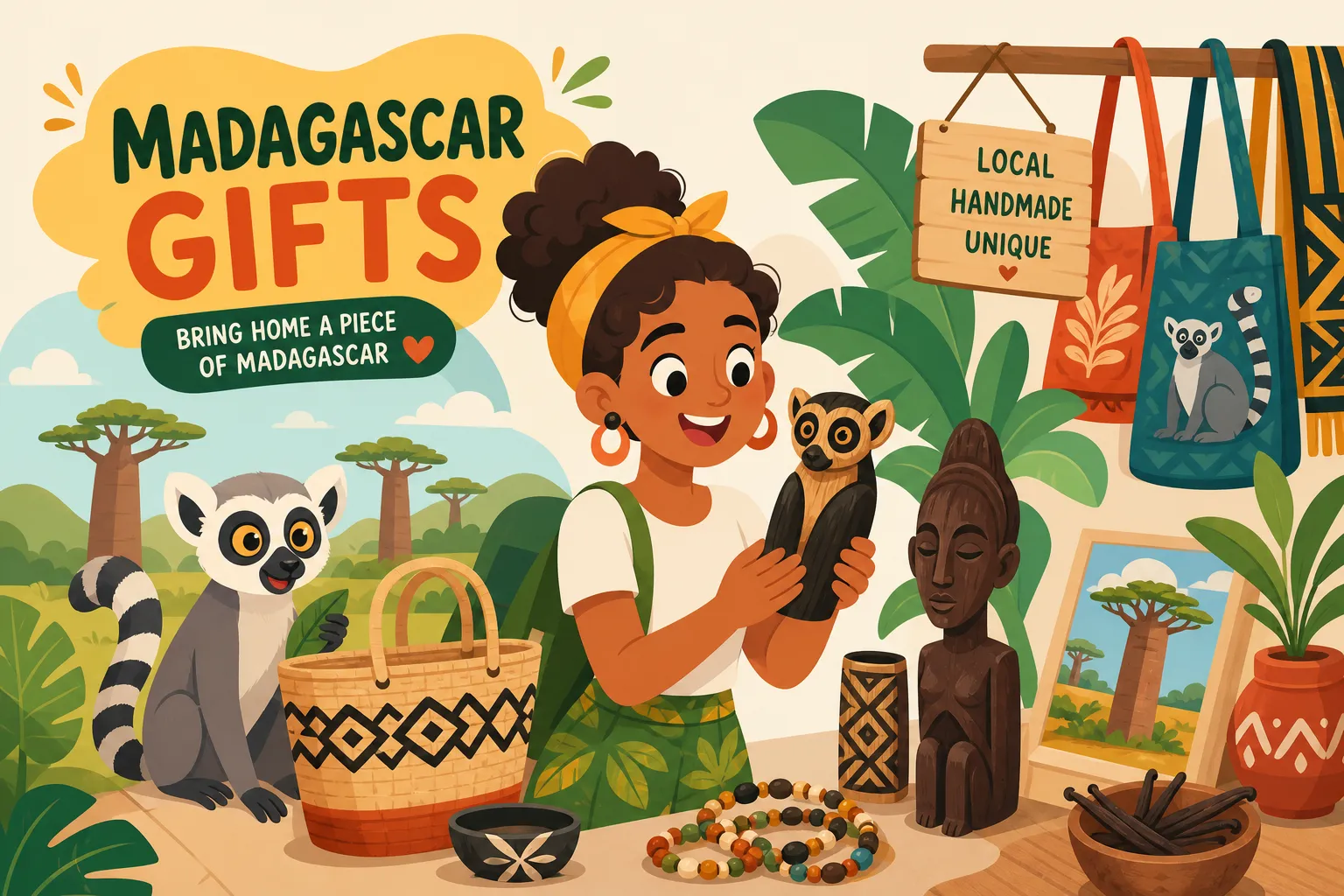 Madagascar Gifts: What to Buy and Where to Find Them
You're searching for Madagascar gifts and the options feel all over the place. On one end, you've got DreamWorks...Read more
Madagascar Gifts: What to Buy and Where to Find Them
You're searching for Madagascar gifts and the options feel all over the place. On one end, you've got DreamWorks...Read more -
 African Island Souvenir Comparison: Which Is Best?
Picture this: you're standing in a crowded market stall, surrounded by carved figurines, spice packets, printed...Read more
African Island Souvenir Comparison: Which Is Best?
Picture this: you're standing in a crowded market stall, surrounded by carved figurines, spice packets, printed...Read more -
 Madagascar Culture Explained for Beginners
Whether you're packing a bag for Antananarivo, writing a research paper, or trying to reconnect with roots you grew...Read more
Madagascar Culture Explained for Beginners
Whether you're packing a bag for Antananarivo, writing a research paper, or trying to reconnect with roots you grew...Read more -
 Understanding Madagascar Traditions as an Outsider
Madagascar traditions run deeper than most outsiders expect. Rather than a checklist of cultural facts you skim...Read more
Understanding Madagascar Traditions as an Outsider
Madagascar traditions run deeper than most outsiders expect. Rather than a checklist of cultural facts you skim...Read more -
 What to Gift a Malagasy Expat Living in the US ?
There's a specific kind of ache that comes with living far from the island you grew up on. It's not dramatic or...Read more
What to Gift a Malagasy Expat Living in the US ?
There's a specific kind of ache that comes with living far from the island you grew up on. It's not dramatic or...Read more
Leave a comment